Flagstaff is not the Arizona most insurance guides are written about. At roughly 7,000 feet, surrounded by the largest ponderosa pine forest in the country, the city gets real winters, real wildfire seasons, and the post-fire flooding that follows them. A home insurance policy built for a stucco house in Phoenix does not automatically fit a home in Cheshire, Doney Park, or Kachina Village.
This guide walks through what Flagstaff homeowners actually need to think about: wildfire and burn-scar flood exposure, snow load and freeze damage, what coverage costs in the high country in 2026, and how working with an independent Arizona broker changes the shopping process. Every number below is cited so you can check it yourself.
Why Flagstaff homeowners need coverage built for the high country
Flagstaff is home to about 77,260 people, and only 42.3 percent of occupied housing units are owner-occupied, according to
U.S. Census Bureau QuickFacts. That is a small pool of homeowners carrying a lot of value: the median owner-occupied home is worth $552,900, well above the statewide figure. When the home is that large a share of a family's net worth, the dwelling limit and the fine print matter more than the monthly premium.
The risk profile is also different from the Valley. Flagstaff sits inside a wildland-urban interface, where neighborhoods back directly onto national forest. Winters bring heavy snow and hard freezes. Summer monsoons arrive on slopes that may have burned a year or two earlier. Each of those hazards touches a different part of a homeowners policy, and a Flagstaff policy should be reviewed with all three in mind.
Wildfire and post-fire flooding: the two-part risk unique to Flagstaff
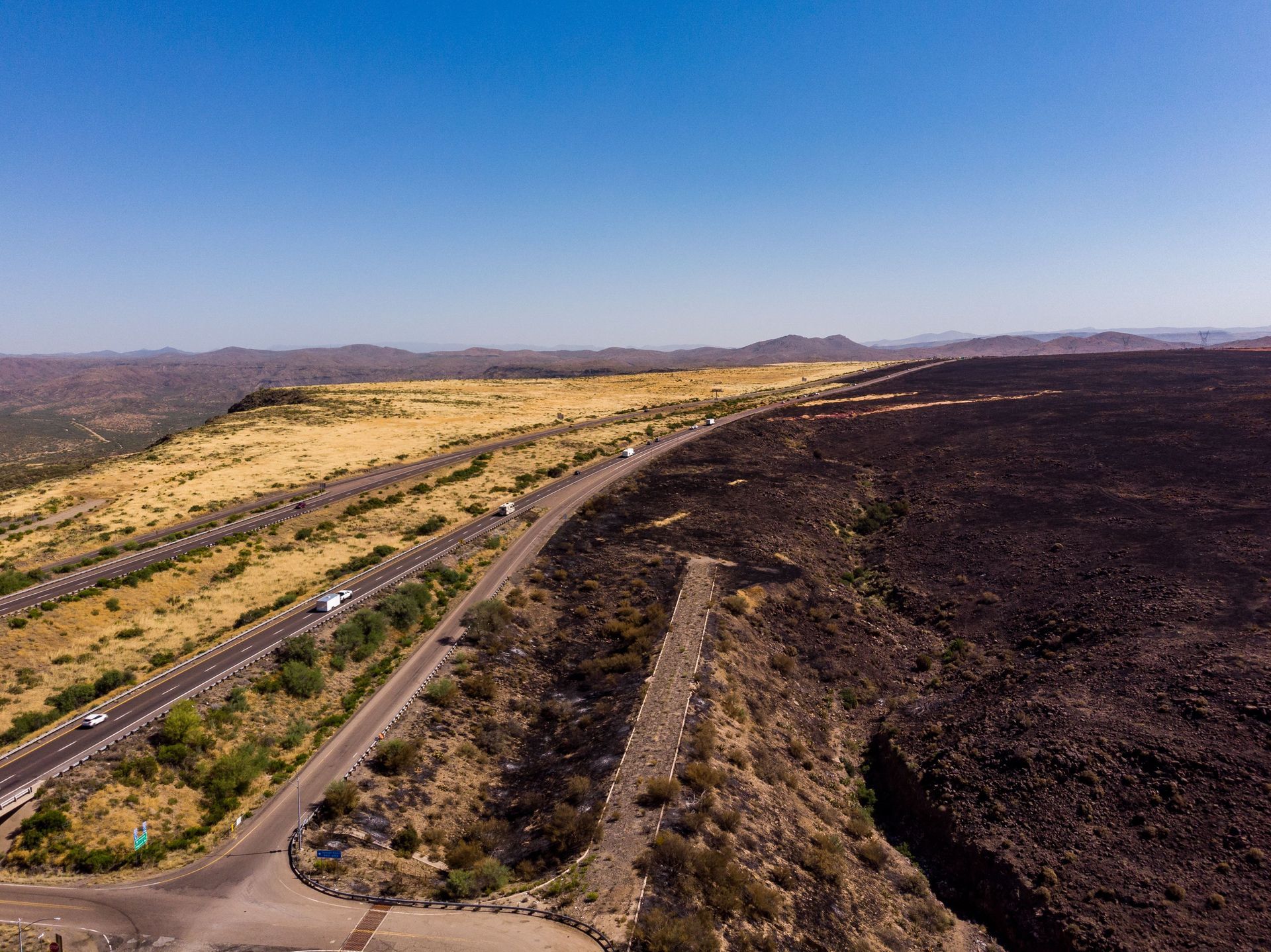
Flagstaff has lived through this cycle recently. The 2019 Museum Fire burned about 1,900 acres above the city, and the damaged watershed produced catastrophic flash flooding in the same neighborhoods two years later, as
Arizona's Family reported in July 2025. The Pipeline Fire followed in June 2022, burning 26,770 acres of Coconino National Forest above Doney Park and other residential drainages, according to
AZ Luminaria.
Here is the coverage problem. Fire damage is covered by a standard homeowners policy. The mud and water that come down a burn scar during the next monsoon are flood damage, and
FloodSmart.gov is blunt that most homeowners insurance does not cover flood. A separate flood policy through the National Flood Insurance Program or a private carrier fills that gap.
Timing matters too. NFIP policies normally take 30 days to go into effect, but FloodSmart notes a one-day waiting period if a flood is caused or worsened by a wildfire on federal land and you buy within 60 days of the containment date. Flagstaff homeowners below a fresh burn scar should know that exception exists. For a deeper look at how carriers score fire exposure, see our guide on
how insurance companies determine wildfire risk in Arizona. The Arizona Department of Insurance and Financial Institutions also maintains a
wildfire resources and mitigation page for homeowners in forested areas.
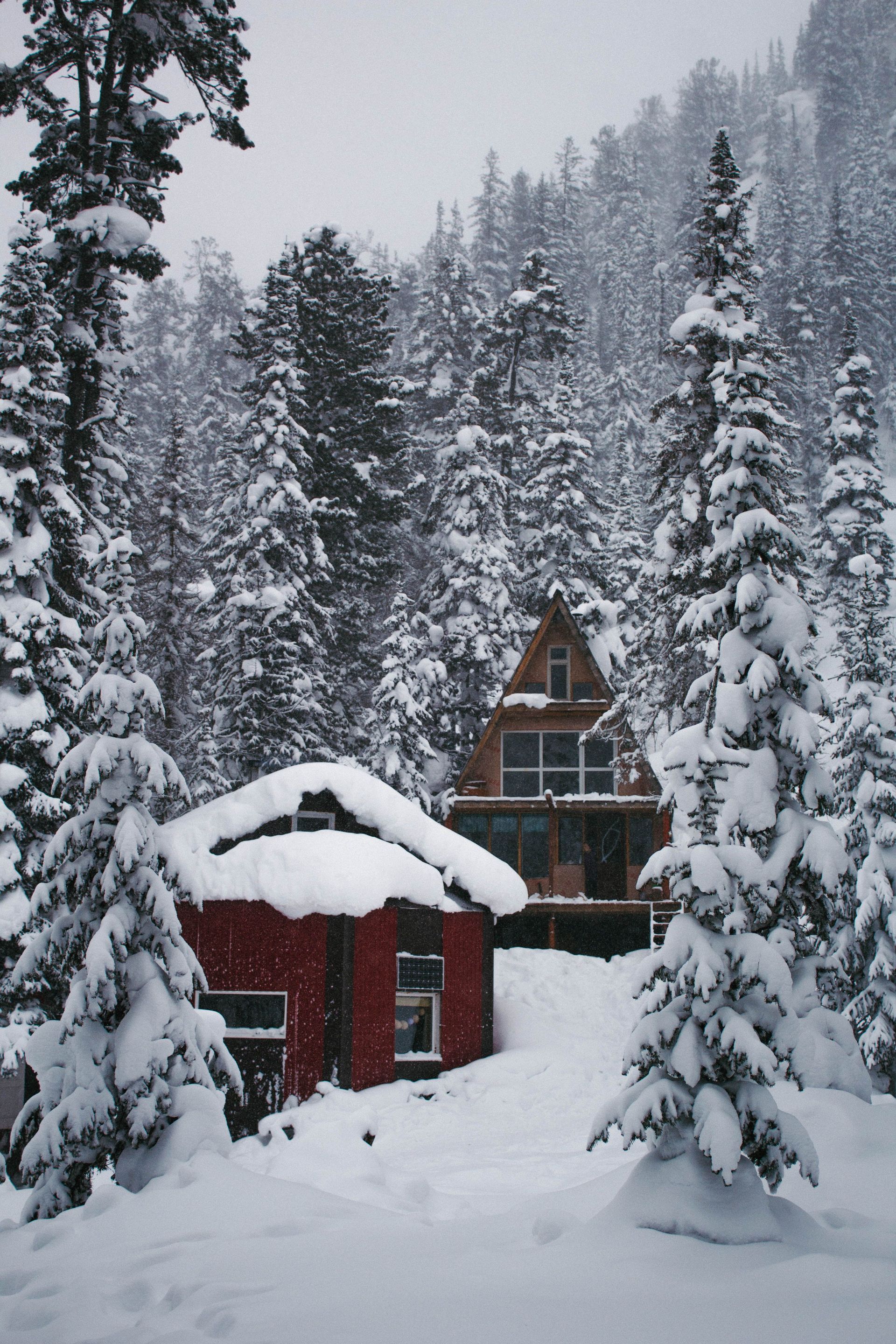
Snow, ice, and freeze damage on a Flagstaff homeowners policy
Flagstaff averages 90.1 inches of snow a year across about 28 snow days, and storms of 10 inches or more in a single day happen once or twice in a typical winter, based on
NOAA 1991 to 2020 climate normals for Pulliam Airport. Snow on the ground for well over half of winter is normal here.
That translates into claims the Valley rarely sees: roof collapse from snow load, ice dams pushing water under shingles, and burst pipes when a second home or rental sits empty during a January cold snap. Weight of ice and snow is a named peril on most standard policies, and sudden pipe bursts are typically covered. What is often excluded is freeze damage to a home left vacant without heat. If your Flagstaff property is a cabin or short-term rental, ask how the policy defines vacancy and whether you need to keep the thermostat running.
Roof age drives both eligibility and price in snow country. Carriers increasingly pay roofs on an actual cash value basis after a certain age, which means depreciation comes off the claim check. Our post on
replacement cost versus actual cash value explains why that distinction can be worth thousands of dollars on a Flagstaff roof.
How much home insurance costs in Flagstaff, AZ in 2026
Arizona homeowners pay an average of $2,318 a year for a policy with $300,000 in dwelling coverage, $100,000 in liability, and a $1,000 deductible, according to
Insure.com data updated August 4, 2026. Because Flagstaff home values run higher, the more relevant tiers are $2,848 a year at $400,000 of dwelling coverage and $3,954 at $600,000.
The high country pays more than the state average. Insure.com's list of the ten most expensive Arizona ZIP codes for home insurance includes three forested Coconino County communities around Flagstaff: 86018 in Parks at $3,557 a year, 86017 in Munds Park at $3,414, and 86016 in Gray Mountain at $3,195. Wildfire exposure and rebuild costs in mountain areas are the main reasons. Statewide, rates rose 9 percent between 2023 and 2025, and the cheapest carrier in the Insure.com sample averaged $1,456 while the most expensive averaged $2,948 for the same profile. That spread is the case for shopping your policy every renewal.
Arizona requirements and what your lender expects in Coconino County
Arizona does not require homeowners insurance by law. Your mortgage lender does, and the lender will require dwelling coverage sufficient to rebuild plus flood insurance if the property sits in a FEMA high-risk flood zone. Many Flagstaff homes below burn scars are outside mapped high-risk zones, which is exactly why flood coverage there is a decision you make on your own rather than one the bank makes for you.
Two other high-country issues deserve a look. First, ordinance or law coverage pays the extra cost of bringing a rebuilt home up to current code, and Flagstaff's building requirements for snow load and fire-resistant construction can add real cost after a loss. Second, if you are in a Firewise community or have completed defensible-space work, ask about mitigation discounts. The
Arizona DIFI homeowners insurance page outlines your consumer rights, including how nonrenewal notices work if a carrier pulls back from a high-fire area. Monsoon prep matters in Flagstaff as much as in Phoenix; our
monsoon season checklist applies here too.
Bundling and how an independent broker helps Flagstaff homeowners
Riseson Insurance is an independent Arizona broker, which means we quote your home with multiple top-rated carriers instead of one. That matters most in markets like Flagstaff, where some carriers have tightened wildfire underwriting while others still write the area competitively. One application, several answers, and a licensed agent to explain the differences.
Bundling your home and auto with the same carrier is usually the single largest discount available, and it simplifies claims when a winter storm damages both the roof and the truck in the driveway. Our breakdown of
how much you save bundling home and auto in Arizona walks through typical savings. Homeowners in similar wildfire-interface communities can also compare notes with our
Cave Creek home insurance guide.
Frequently asked questions about home insurance in Flagstaff, AZ
How much does home insurance cost in Flagstaff, AZ?
Arizona averages $2,318 a year for $300,000 in dwelling coverage, and $2,848 at $400,000, per Insure.com data updated August 2026. Forested ZIP codes around Flagstaff such as Parks (86018) and Munds Park (86017) average $3,557 and $3,414, among the highest in the state, so expect Flagstaff quotes to land above the statewide figure.
Does homeowners insurance cover flooding after a wildfire in Flagstaff?
No. Standard homeowners policies exclude flood, including debris flows down a burn scar. You need a separate NFIP or private flood policy. FloodSmart.gov notes NFIP coverage normally starts 30 days after purchase, with a one-day wait if the flood is tied to a wildfire on federal land and you buy within 60 days of containment.
Is snow damage covered by home insurance in Flagstaff?
Weight of ice and snow and sudden pipe bursts are covered perils on most standard policies. Freeze damage to a vacant, unheated home is commonly excluded, so cabin and rental owners should confirm the vacancy clause and heating requirement before winter.
Is home insurance required in Arizona?
Not by state law. Lenders require it as a condition of the mortgage, and they require flood insurance only if the home is in a FEMA high-risk flood zone. Coverage outside those zones is your choice.
Can I save by bundling home and auto insurance in Flagstaff?
Yes. Multi-policy discounts are typically the largest single discount carriers offer, and an independent broker can compare bundled quotes from several companies side by side.
Get your Flagstaff home insurance quote today
If you own a home in Flagstaff and have not compared quotes since the last fire season, there is a good chance your dwelling limit is behind today's rebuild costs or your flood exposure is uninsured. Riseson Insurance is an independent Arizona broker, which means we work for you, not for one carrier. We will pull quotes from multiple top-rated companies, walk you through wildfire, flood, and snow coverage in plain language, and find the bundling angle that saves the most. Reach out for a free Flagstaff home insurance quote and see your options in one place.