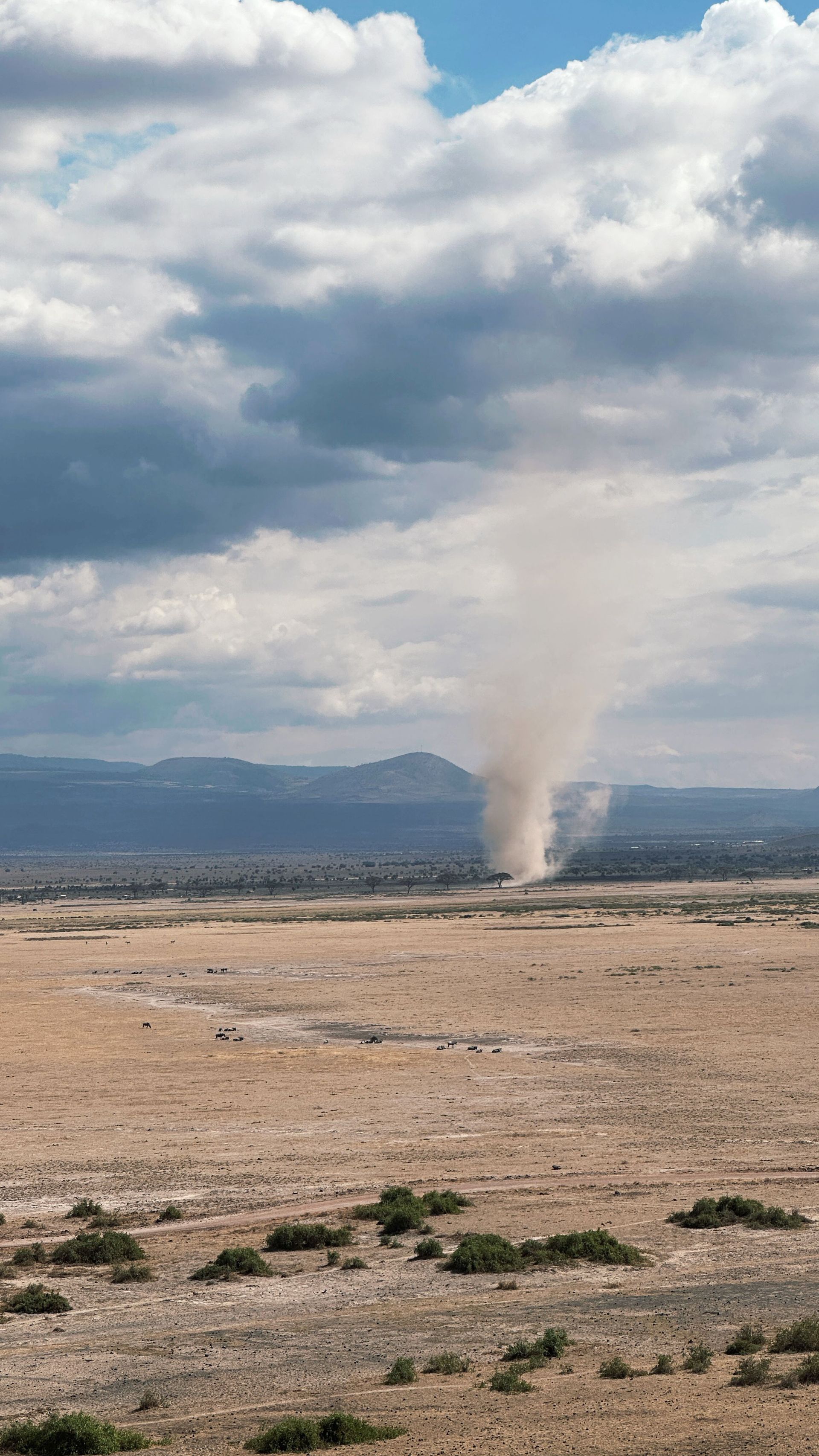
Every summer, Arizona trades its clear desert skies for walls of dust, sudden downpours, and microburst winds that can peel tiles off a roof in seconds. Monsoon season officially runs from June 15 through September 30, and the most intense storms usually arrive between mid July and mid August, which means right now is the heart of it.
The good news is that a well built home insurance policy handles most of what a monsoon can throw at your house. The catch is that "most" is not "all," and the gaps tend to surprise homeowners at the worst possible time. Here is what Valley homeowners should know before the next storm rolls in.
Why monsoon season is the real test of your Arizona home insurance
Wind and hail are the single most common source of home insurance claims in the country.
Insurance Information Institute data shows that about one in 36 insured homes files a wind or hail claim in a given year, and the average wind and hail claim has run close to $15,000 in recent years.
In Arizona, most of that risk is concentrated into about ten summer weeks. Microbursts can produce straight line winds above 60 miles per hour, dust storms reduce visibility and drive grit into HVAC systems, lightning sparks fires and fries electronics, and slow moving storm cells drop inches of rain on soil that cannot absorb it. Your policy is quiet for ten months of the year. Monsoon season is when it earns its premium.
What your home insurance covers during a monsoon storm
A standard HO-3 homeowners policy in Arizona generally covers sudden, accidental damage from wind, hail, lightning, and fire. That includes tiles or shingles torn off by wind, a tree limb dropped through your patio cover, hail damaged skylights, and rain that enters through an opening the storm itself created, such as a hole in the roof.
Your personal property coverage applies to belongings damaged in a covered event, and loss of use coverage can pay for temporary housing if storm damage makes the home unlivable while repairs are underway. If you are unsure whether your dwelling limit reflects today's rebuild costs, our guide to
replacement cost insurance explains why that number matters more than market value.
What monsoon damage is not covered, and how to close the gaps
The biggest gap is flood. Water that rises from the ground up, including flash flooding and runoff pouring into your home, is excluded from standard home insurance. Flood protection requires a separate policy, most commonly through the National Flood Insurance Program. According to
FloodSmart.gov, just one inch of water inside a home can cause roughly $25,000 in damage, and a new NFIP policy typically carries a 30 day waiting period before it takes effect. That waiting period is exactly why the time to buy flood coverage is before a storm is on the radar, not during one.
Sewer and drain backups are another common monsoon surprise, because heavy rain can overwhelm municipal lines and push water back into the house. That scenario is excluded too, unless you add an endorsement. Our post on
water backup coverage in Arizona covers how that inexpensive add on works.
How to prepare your home before the next storm
A little prevention protects both your house and your claims history. Trim trees away from the roof and power lines, since wind thrown limbs are one of the most common causes of monsoon damage. Secure or store patio furniture, umbrellas, and trampolines, which become projectiles in a microburst.
Have your roof inspected before peak season, because carriers can deny claims when damage traces back to long term wear rather than the storm. Clean gutters and grade soil away from the foundation so rain drains off instead of pooling. Finally, walk through the house with your phone and record a video inventory of your belongings. Ten minutes of footage makes any future claim faster and easier to document.
Filing a monsoon damage claim the right way
After a storm, document everything before you clean up. Photograph the damage from multiple angles, keep receipts for emergency repairs like tarping a roof, and make only the temporary fixes needed to prevent further damage. Most policies require prompt reporting, so do not sit on a claim while contractors get busy.
Be cautious with door to door repair crews that follow storms through Arizona neighborhoods. The
Arizona Department of Insurance and Financial Institutions publishes consumer guidance on storm claims and contractor scams, and it is worth a read before you sign anything. Your agent should be your first call, not a stranger on your doorstep.
How an independent broker helps you get monsoon ready
Carriers treat Arizona storm risk very differently. Some apply separate wind and hail deductibles calculated as a percentage of your dwelling coverage, which can mean thousands of dollars out of pocket, while others use a flat deductible. Some include limited water backup protection automatically, and others charge for every endorsement.
As an independent Arizona broker, Riseson Insurance compares those details across multiple top rated carriers instead of defending one company's fine print. We will check your deductible structure, flag missing flood and water backup protection, and look for bundling savings on your
home and auto policies at the same time.
Frequently asked questions
Does homeowners insurance cover monsoon damage in Arizona?
Yes, for most storm perils. Standard policies cover wind, hail, lightning, and fire damage, including rain that enters through a storm created opening. Rising water from flash flooding is the major exception and requires separate flood insurance.
Is flood damage covered by home insurance in Arizona?
No. Flood damage is excluded from standard homeowners policies. Coverage is available through the National Flood Insurance Program or private flood insurers, and FloodSmart.gov notes that a new NFIP policy usually has a 30 day waiting period, so buy before storms arrive.
What should I do right after a monsoon damages my home?
Photograph and video the damage before cleanup, make temporary repairs to prevent further loss, keep every receipt, and report the claim promptly. Arizona's DIFI recommends verifying that any contractor is licensed before signing repair agreements.
Do I need a wind and hail deductible in Arizona?
It depends on the carrier. Some Arizona policies apply a separate percentage based wind and hail deductible instead of the flat dollar deductible, which changes what you pay out of pocket after a storm. An independent broker can compare both structures side by side.
When is monsoon season in Arizona?
Arizona's monsoon season officially runs June 15 through September 30, with the strongest storms typically hitting the Valley between mid July and mid August. That makes early summer the ideal window to review coverage and add flood protection.
Get your Arizona home insurance quote today
If your policy has not been reviewed since last monsoon season, you may be carrying a percentage deductible you have forgotten about or missing flood and water backup protection entirely. Riseson Insurance is an independent Arizona broker, which means we work for you, not for one carrier. We will pull quotes from multiple top rated companies, walk through exactly how your policy would respond to a monsoon claim, and find the bundling angle that saves the most. Reach out for a free Arizona home insurance review and see your options in one place before the next storm builds.