Introduction
Wildfires are no longer a concern limited to remote forests or rural areas. In Arizona, homeowners in places like
Prescott,
Flagstaff,
Payson, and even parts of the
Phoenix metro area face increasing wildfire exposure due to dry conditions, high winds, and expanding development near desert and brushland. At
Riseson Insurance, we regularly help
homeowners understand how wildfire risk impacts insurance availability, pricing, and coverage decisions.
Understanding how insurance companies evaluate wildfire risk can help you make smarter decisions about protecting your home.
1. Why Wildfire Risk Is Growing in Arizona
Arizona’s climate creates the perfect conditions for wildfire activity. Factors that increase risk include:
- Prolonged drought and extreme heat
- Dry vegetation and desert brush
- High
winds, especially during seasonal weather shifts
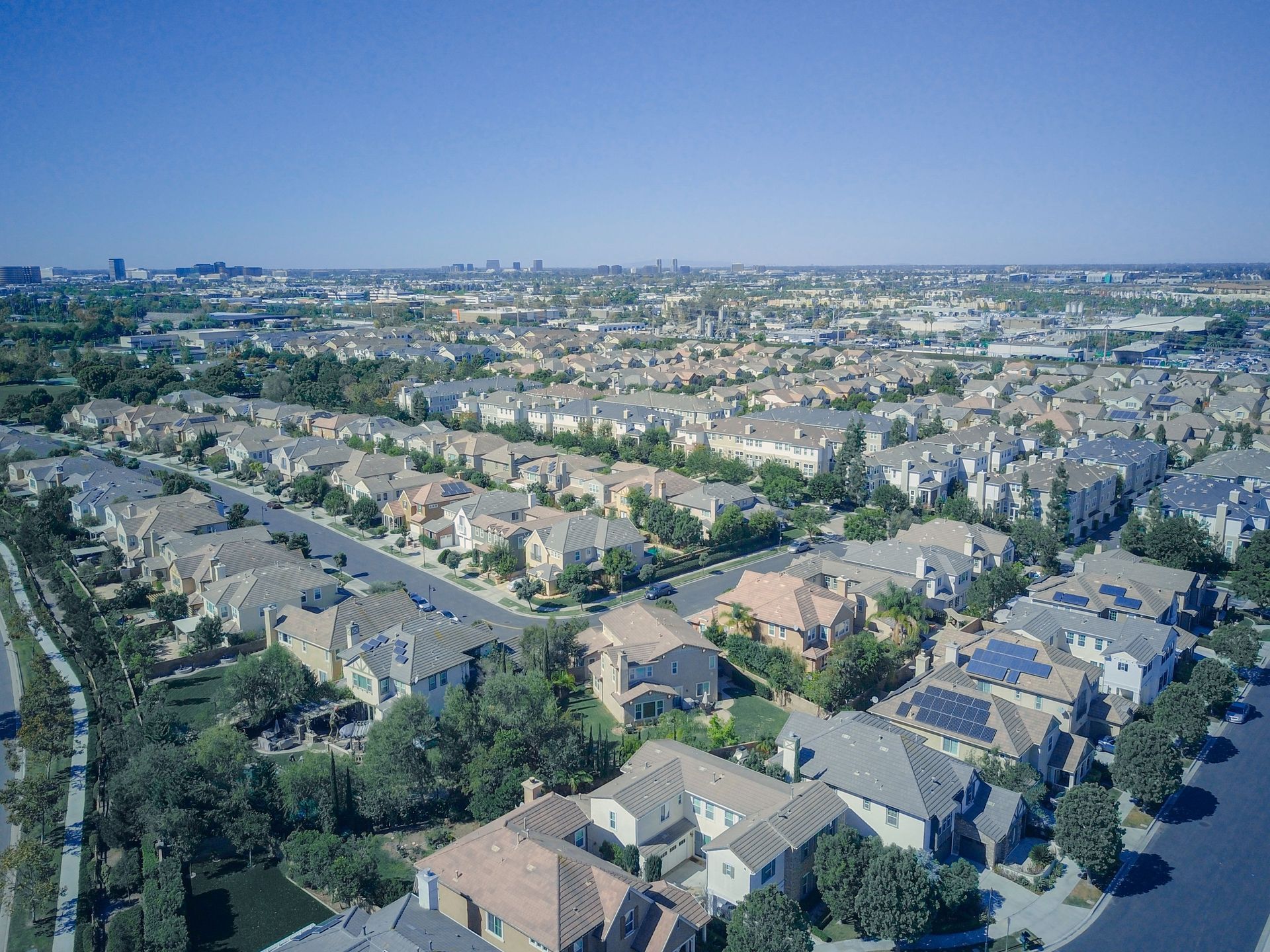
- Homes built near open land or natural preserves
As more communities expand into wildland areas, insurers are paying closer attention to where and how homes are built.
2. How Insurance Companies Measure Wildfire Risk
Insurance carriers use a combination of data sources and modeling tools to evaluate wildfire exposure. These tools help determine whether a home is eligible for coverage and how much the policy will cost.
Location and Proximity to Vegetation
Homes near brush, desert landscaping, or undeveloped land are considered higher risk. Insurers look at how close flammable vegetation is to the structure and whether defensible space is maintained around the home.
Historical Fire Data
Carriers review past wildfire activity in the area. If a region has experienced multiple fires over the last several years, insurers may classify it as higher risk even if the home itself has not been affected.
Fire Protection Access
Insurance companies evaluate how quickly fire services can reach the property. This includes:
- Distance to the nearest fire station
- Road access for emergency vehicles
- Availability of hydrants or water supply
Homes with limited access often receive higher risk scores.
Home Construction Materials
Certain building materials perform better during fires. Insurers often review:
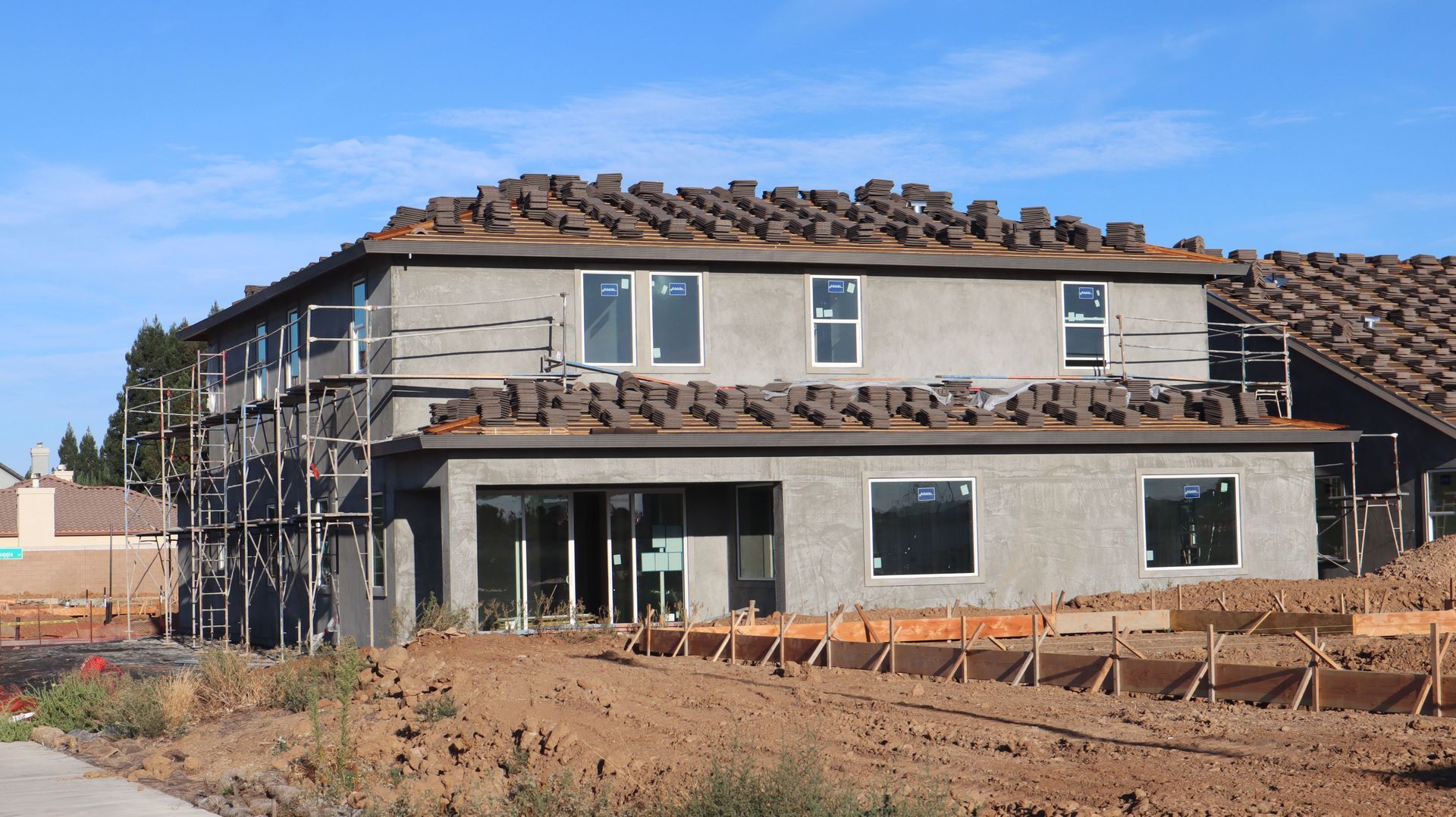
- Roof type, such as tile versus wood shake
- Exterior siding materials
- Venting and attic design
Fire resistant construction can positively impact insurability and pricing.
Wildfire Risk Scores and Mapping Models
Many carriers use third party wildfire scoring systems. These models analyze terrain, vegetation density, weather patterns, and fire spread potential. The score directly influences underwriting decisions and premium levels.
3. How Wildfire Risk Affects Your Insurance Policy
Higher wildfire risk can lead to:
- Increased premiums
- Higher deductibles for wildfire related claims
- Additional underwriting reviews
- Limited carrier options
- Requirements for property improvements before binding coverage
Some insurers may require proof of vegetation clearance or home hardening before offering or renewing a policy.
4. What Homeowners Can Do to Reduce Wildfire Risk
While location cannot be changed, homeowners can take steps to reduce risk and improve insurability:
- Maintain defensible space by clearing brush and debris
- Use fire resistant landscaping
- Upgrade roofing and exterior materials when possible
- Keep gutters and roofs free of debris
- Ensure clear access for emergency responders
These improvements can make a meaningful difference during underwriting reviews.
5. How Riseson Insurance Helps Arizona Homeowners
At
Riseson Insurance, we help homeowners navigate wildfire related insurance challenges by:
- Comparing options across multiple carriers
- Explaining how wildfire risk scores impact coverage
- Advising on steps that may improve eligibility
- Finding solutions when standard carriers are limited
Our local Arizona experience allows us to anticipate carrier concerns and help homeowners prepare before issues arise.
Summary
Wildfire risk plays a growing role in how insurance companies evaluate Arizona homes. Carriers consider location, construction, fire history, and access to emergency services when determining coverage and pricing. Understanding these factors allows homeowners to take proactive steps to protect both their property and their insurance options.
At
Riseson Insurance, we help Arizona homeowners understand wildfire exposure and secure coverage that fits their location and risk profile.
FAQ
Does homeowners' insurance cover wildfire damage
Yes. Most standard homeowners policies cover fire damage, including wildfires.
Can wildfire risk cause my insurance to be canceled
In some cases, yes. High risk areas may face nonrenewal or limited carrier options.
Does clearing brush really help with insurance approval
Yes. Defensible space and property maintenance can improve underwriting outcomes.
Disclaimer
Coverage availability, pricing, and underwriting guidelines vary by carrier and location. This article is for informational purposes only and should not be considered legal or insurance advice. Speak with a licensed insurance agent to review your specific situation.