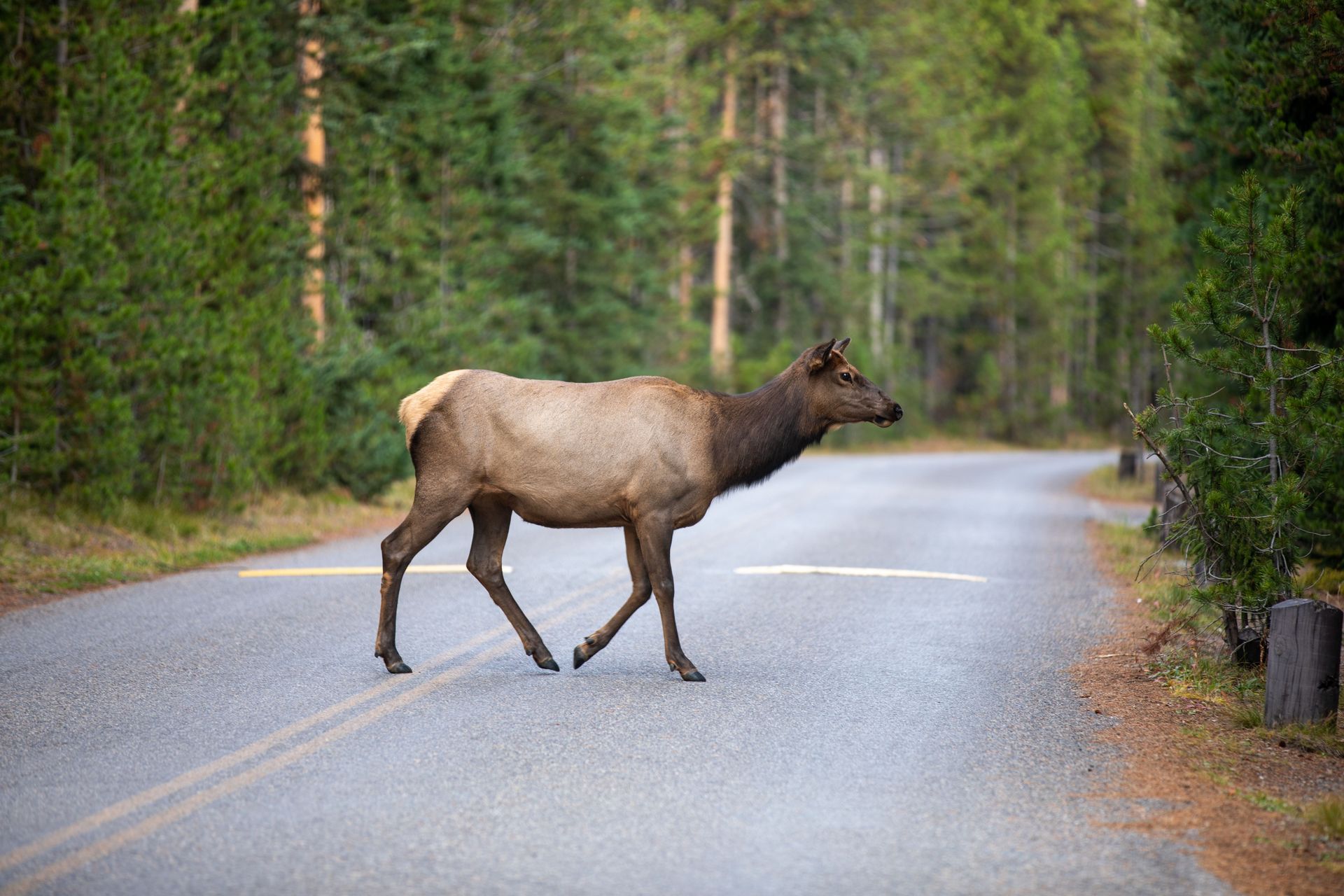
A javelina crossing a Scottsdale street at dusk, a deer on Highway 87 near Payson, an elk stepping onto I-17 south of Flagstaff. Animal collisions are a real part of driving in Arizona, and most drivers do not find out how their policy treats them until after the impact.
This guide explains which coverage pays when you hit an animal, how the claim is usually handled, and what to do in the first few minutes. Riseson Insurance is an independent Arizona broker, so we can compare animal collision coverage across several carriers for you.
Animal collisions and car insurance in Arizona: how common are they?
The
Arizona Department of Transportation reported 1,830 vehicle collisions with animals in 2022, with 4 fatalities and 280 people injured. Those are only the crashes that were reported, and many smaller strikes never reach a police report.
Risk climbs in warmer weather when deer, elk and other wildlife move more in search of food, water and shade. Dusk and dawn are the times to stay especially alert. A full grown male elk can weigh about 900 pounds, which is why a single strike can total a vehicle.
ADOT also completed a statewide wildlife-vehicle conflict study in 2021 with Arizona Game and Fish, the U.S. Forest Service and the Department of Public Safety to identify hot spots and prioritize mitigation projects. Until those projects are built, your own policy is the protection you control.
Which coverage pays when you hit an animal
Progressive explains that comprehensive coverage is the part of a car policy that pays for damage when your vehicle strikes an animal, as long as your car actually makes contact with it. Collision coverage generally applies if you swerve to avoid the animal and hit another vehicle, a guardrail or a pole, or roll the car. A policy with liability only will typically not pay for your own vehicle's damage in either case.
Comprehensive is optional unless you lease or finance your vehicle. Medical bills for injuries are not paid by comprehensive or collision, but by medical payments coverage or personal injury protection if you carry them. For a refresher on how each coverage works, see our guide to
car insurance coverage in Arizona.
Will an animal claim raise your rates?
It depends on the insurer and the state. Hitting a wild animal is generally not treated as an at-fault accident, and it does not appear on your driving record unless someone else's property is damaged. The claim will still be added to your claims history, so it is fair to ask your agent how your carrier treats comprehensive claims before you file.
Swerving is different. If you swerve and hit another driver or their property, you could be found negligent and at fault. Arizona wildlife officials generally advise drivers to stay in their lane and brake firmly instead of swerving. For a very large animal, swerving may be safer only when no oncoming traffic is present and both shoulders are clear.
What to expect on cost and deductibles
Your comprehensive deductible is the amount you chose when you bought the policy, and it typically ranges from $100 to $2,000. You pay it when a claim is filed and the insurer pays the rest of the covered repair. If the car is totaled, comprehensive generally pays the actual cash value minus your deductible.
Many Arizona drivers carry a high comprehensive deductible to save on premium, then forget it applies to animal strikes, hail and windshield claims. Reviewing that number once a year is a simple way to avoid a surprise at the body shop.
What to do right after hitting an animal
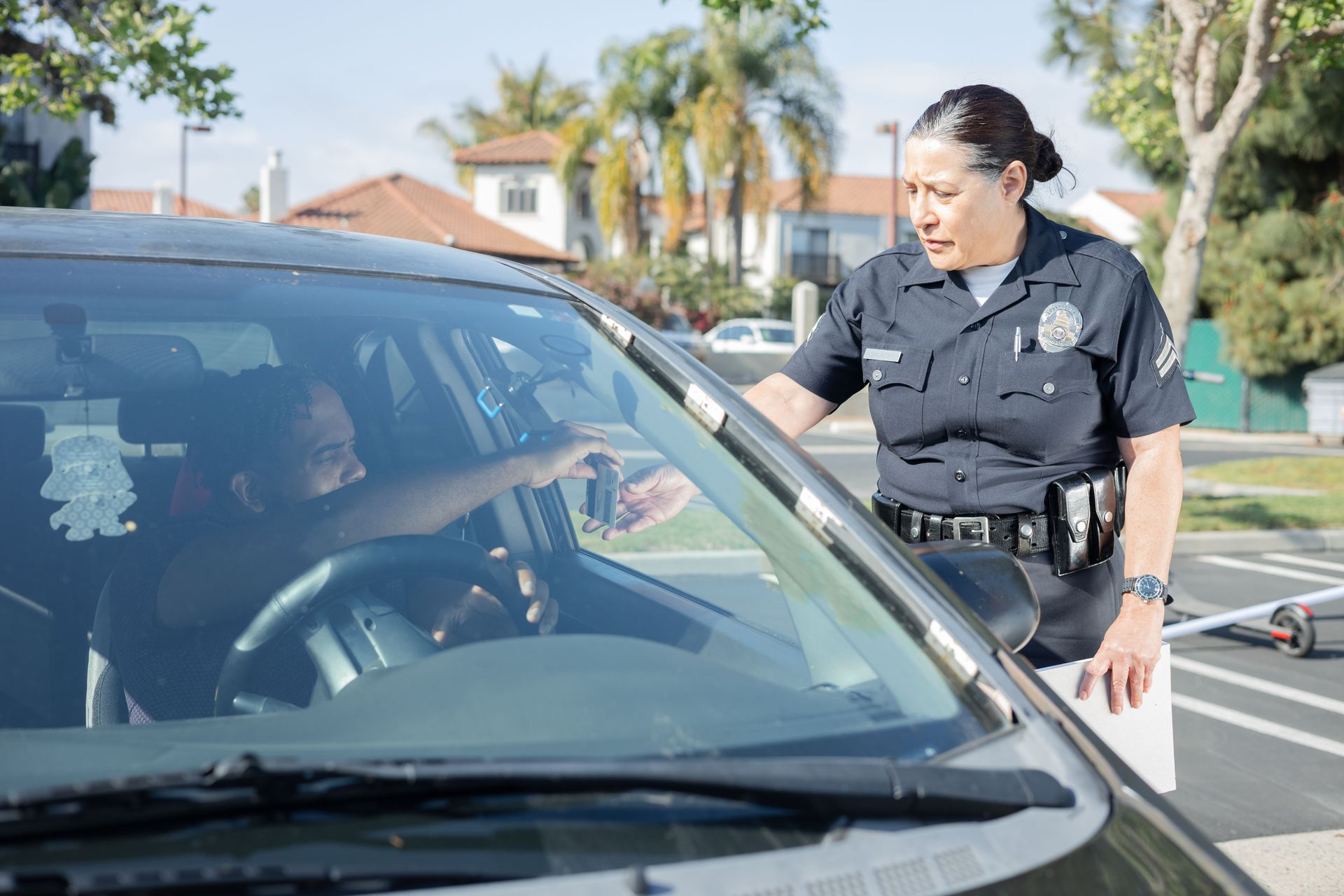
Pull over away from the animal, turn on your hazard lights and stay in the vehicle until it is safe to get out. Call the police if the animal is blocking the road, and keep clear of it, because an injured animal can be dangerous. When it is safe, photograph the scene, the damage and any injuries, and collect witness contact information.
Then file a claim with your insurer and check the car for leaking fluids, broken lights or a hood that will not latch before you drive it. If you have roadside assistance or towing coverage on your policy, use it. Drivers in the high country should also read our guide for
Flagstaff homeowners, since the same wildlife corridors run through that area.
Frequently asked questions
Does car insurance cover hitting a javelina or deer in Arizona? Comprehensive coverage pays for damage to your vehicle when it strikes an animal, minus your deductible. If you only carry liability coverage, your own vehicle's damage is generally not covered.
Is hitting an animal an at-fault accident in Arizona? Insurers generally treat a wild animal strike as not-at-fault, and it does not go on your driving record unless another person's property is damaged. The claim still appears in your claims history, and swerving into another car can make you at fault.
Should I swerve to avoid an animal on an Arizona highway? The Arizona Game and Fish Department generally advises staying in your lane and braking firmly. Swerving is only safer for a very large animal when there is no oncoming traffic and both shoulders are clear.
What if I hit an animal and I am injured? Comprehensive and collision pay for vehicle damage, not injuries. Medical payments coverage or personal injury protection can help with medical bills if you carry them, so check your limits.
Get your car insurance quote today
If you drive Arizona highways and have not compared car insurance quotes in the last year, you may be paying too much or missing comprehensive coverage altogether. Riseson Insurance is an independent Arizona broker, which means we work for you, not for one carrier. We will pull quotes from multiple top-rated companies, walk you through what is actually covered, and find the bundling angle that saves the most. Reach out for a free Arizona car insurance quote and see your options in one place.