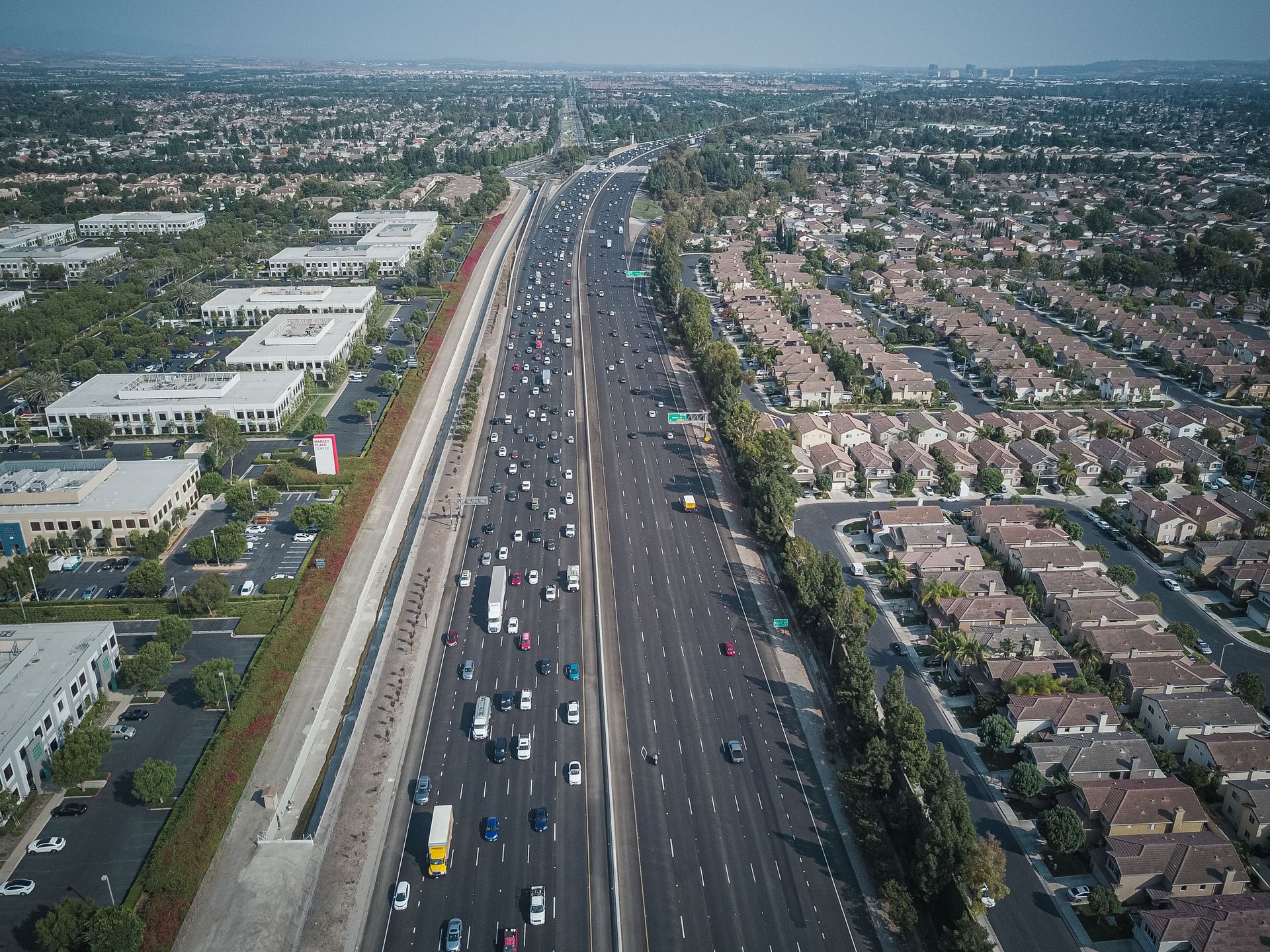
Tucson drivers deal with a different road than the Phoenix Valley. Wide arterials like Grant, Speedway, and Golf Links carry most of the daily traffic instead of freeways, the Interstate 10 and Interstate 19 corridors funnel heavy truck and cross-border traffic through the middle of town, and the University of Arizona drops tens of thousands of student drivers into midtown every August. All of that shows up in what car insurance in Tucson, AZ costs and in what a policy needs to cover.
This guide walks through what Old Pueblo drivers actually pay, why the Arizona state minimum leaves most households exposed, which local risks drive the price, and how an independent broker like Riseson Insurance shops the Tucson market on your behalf. Every hard number below is cited so you can check it yourself.
What car insurance actually costs in Tucson, AZ
Full coverage car insurance in Tucson averages $2,447 per year, or about $204 a month, according to
Insure.com data updated August 3, 2026. That is $27 above the Arizona average of $2,420 and $131 below the national average of $2,578. The figure assumes a 40-year-old driver with a clean record, 100/300/100 liability limits, and $500 deductibles on collision and comprehensive.
The spread between carriers is the number that matters most. Insure.com shows Travelers averaging $1,716 per year in Tucson while Farmers averages $3,290 for the same driver and the same coverage. That is a $1,574 gap for identical protection, which is exactly why comparing quotes from several companies matters more than any single discount.
Coverage level moves the price just as much. State minimum liability runs about $786 per year in Tucson, liability-only at higher limits about $896, and full coverage $2,447, per the same Insure.com report. Rates have also climbed steadily: the Tucson average was $1,814 in 2022 and reached $2,447 by 2025, a 35 percent rise in three years. If you have not requoted since then, you are almost certainly paying for that entire increase without checking whether a different carrier would price you lower.
Why Tucson drivers need more than the Arizona state minimum
Arizona requires every driver to carry at least 25/50/15 in liability coverage: $25,000 in bodily injury coverage per person, $50,000 per accident, and $15,000 for property damage, according to the
Arizona Department of Insurance and Financial Institutions. That is the legal floor, not a recommendation.
Consider what $15,000 in property damage buys on a Tucson road. A single at-fault collision with a late-model pickup or SUV on Oracle Road can exceed that limit before anyone is treated for injuries. Once the limit is spent, the rest comes out of your savings, your wages, or a judgment against you. Arizona is an at-fault state, so the driver who causes the crash is personally responsible for the difference.
Then there is the driver who hits you. Roughly 12 percent of Arizona drivers carry no insurance at all, according to
Insurance Information Institute data. Arizona does not require uninsured or underinsured motorist coverage, but on Tucson streets with that many uninsured vehicles, we treat it as essential on every policy we write. It is inexpensive relative to what it protects, which is your own medical bills and your own car when the other driver has nothing.
The Tucson roads and risks that shape your premium
Insurers price by ZIP code, and Tucson's driving environment gives them plenty to price. Arizona recorded 118,052 crashes and 1,156 traffic deaths in 2025, and 709 of those deaths happened on city and county roads rather than state highways, according to
Arizona Department of Transportation crash data reported by KVOA. Tucson is a city built on surface streets, so that local-road pattern is the Tucson pattern. Speed was a factor in 367 statewide deaths and alcohol in 334.
Local factors stack on top. The I-10 and I-19 corridors carry heavy commercial and cross-border traffic through the center of the metro. The University of Arizona adds a large population of young drivers to the midtown grid each fall, and Insure.com puts the average Tucson teen driver premium at $8,728 per year, which is why families in Sam Hughes and the Catalina Foothills ask us about
good student discounts more than any other single savings.
Weather matters too. Monsoon storms from July through September bring flash flooding across dip crossings and washes, and Tucson's summer heat is hard on tires and batteries. Comprehensive coverage is what pays for flood damage to your car, hail, and theft, and it is the piece most often dropped by drivers trying to cut a premium.
How an independent broker shops Tucson car insurance differently
A captive agent works for one carrier and can only show you that carrier's price. Riseson Insurance is an independent Arizona broker, which means we represent you and quote your Tucson car insurance across multiple top-rated companies at the same time. Given the $1,574 spread between the cheapest and most expensive carriers in Insure.com's Tucson data, that comparison is where most of the savings actually live.
We also look past the premium. Two quotes that both say "full coverage" can differ on rental reimbursement, glass deductibles, roadside assistance, and whether uninsured motorist property damage is included. We line those details up side by side so you are comparing the same thing, then explain what each difference means for a Tucson driver in plain language. When your policy renews, we requote it again rather than letting the renewal simply roll.
Bundling home and auto insurance in Tucson
Tucson's homeownership rate is 51.8 percent, according to
U.S. Census Bureau QuickFacts, which means roughly half of Tucson drivers also carry a homeowners policy and the other half likely need renters coverage. Both groups can bundle. Carriers give multi-policy discounts because bundled customers stay longer, and the discount applies to both policies, not just one.
We covered the numbers in our guide to
how much you save bundling home and auto insurance in Arizona, and Tucson homeowners can pair this post with our
Tucson home insurance guide. Renters near the university or downtown should read our
Tucson renters insurance guide. A renters policy often costs less per month than a couple of coffees and unlocks the same bundle discount on your auto premium.
Beyond the basics: complete protection for Tucson drivers
Once the liability limits are right, a few add-ons close the remaining gaps. Higher liability limits, typically 100/300/100, cost far less than most drivers expect because the risk of a large claim is spread thinly. Uninsured and underinsured motorist coverage matches those limits so you are protected whether you cause the crash or someone else does.
Gap coverage matters if you financed a vehicle recently, since a totaled car can be worth less than the loan balance. Rental reimbursement keeps you moving while a repair shop waits on parts, which in Tucson can take weeks. If you drive for Uber, Lyft, or a delivery app, a rideshare endorsement fills the window when your personal policy and the platform's policy both leave you uncovered. Drivers looking to trim the bill without stripping protection can also review our post on
cheap car insurance in AZ without cutting coverage.
Frequently asked questions about car insurance in Tucson, AZ
How much does car insurance cost in Tucson, AZ? Full coverage averages $2,447 per year in Tucson, about $204 a month, according to Insure.com data updated August 2026. State minimum liability averages about $786 per year. Your own rate depends on your ZIP code, driving record, vehicle, and the carrier you choose, and the cheapest and most expensive carriers differ by more than $1,500 for the same driver.
What is the minimum car insurance required in Arizona? Arizona requires 25/50/15 liability coverage: $25,000 bodily injury per person, $50,000 per accident, and $15,000 property damage, per the Arizona Department of Insurance and Financial Institutions. Most Tucson households should carry significantly more, because a single at-fault crash can exceed those limits.
Do I need uninsured motorist coverage in Tucson? Arizona does not require it, but roughly 12 percent of Arizona drivers are uninsured according to the Insurance Information Institute. Uninsured and underinsured motorist coverage pays for your injuries and your vehicle when the at-fault driver cannot, and we recommend it on nearly every Tucson policy we write.
How much can I save by bundling home and auto in Tucson? Multi-policy discounts vary by carrier, and the savings apply to both the auto and the home or renters policy. With about half of Tucson residents owning their homes and the other half renting, nearly every Tucson driver has a policy they can pair with their auto coverage.
Why is car insurance for a University of Arizona student so expensive? Insure.com puts the average Tucson teen driver premium at $8,728 per year and the 20 to 24 age group at $3,490, because younger drivers crash more often per mile. Good student discounts, staying on a parent's policy, and choosing a vehicle that is cheap to insure are the three levers that bring that number down.
Get your Tucson car insurance quote today
If you live in Tucson and have not compared car insurance quotes in the last year, you are likely paying for three years of rate increases without knowing whether another carrier would price you lower. Riseson Insurance is an independent Arizona broker, which means we work for you, not for one carrier. We will pull quotes from multiple top-rated companies, walk you through what is actually covered, and find the bundling angle that saves the most. Reach out for a free Tucson car insurance quote and see your options in one place.