Most Arizona homeowners find out the hard way that their home insurance does not cover flooding. The desert ground is hard packed, monsoon storms drop inches of rain in an hour, and water that pools outside and flows in at ground level is a flood claim, not a home insurance claim. If you own or rent in Arizona, flood insurance is the one policy most people skip and most people misunderstand.
This guide covers what flood insurance in Arizona actually protects, what it costs in Phoenix, Tucson, Mesa and the rest of the state, how the 30-day waiting period works, and how an independent broker like Riseson Insurance fits it alongside your home, renters, and auto coverage.
Why Arizona homeowners need flood insurance even outside a flood zone
The Arizona Department of Insurance and Financial Institutions is direct about it:
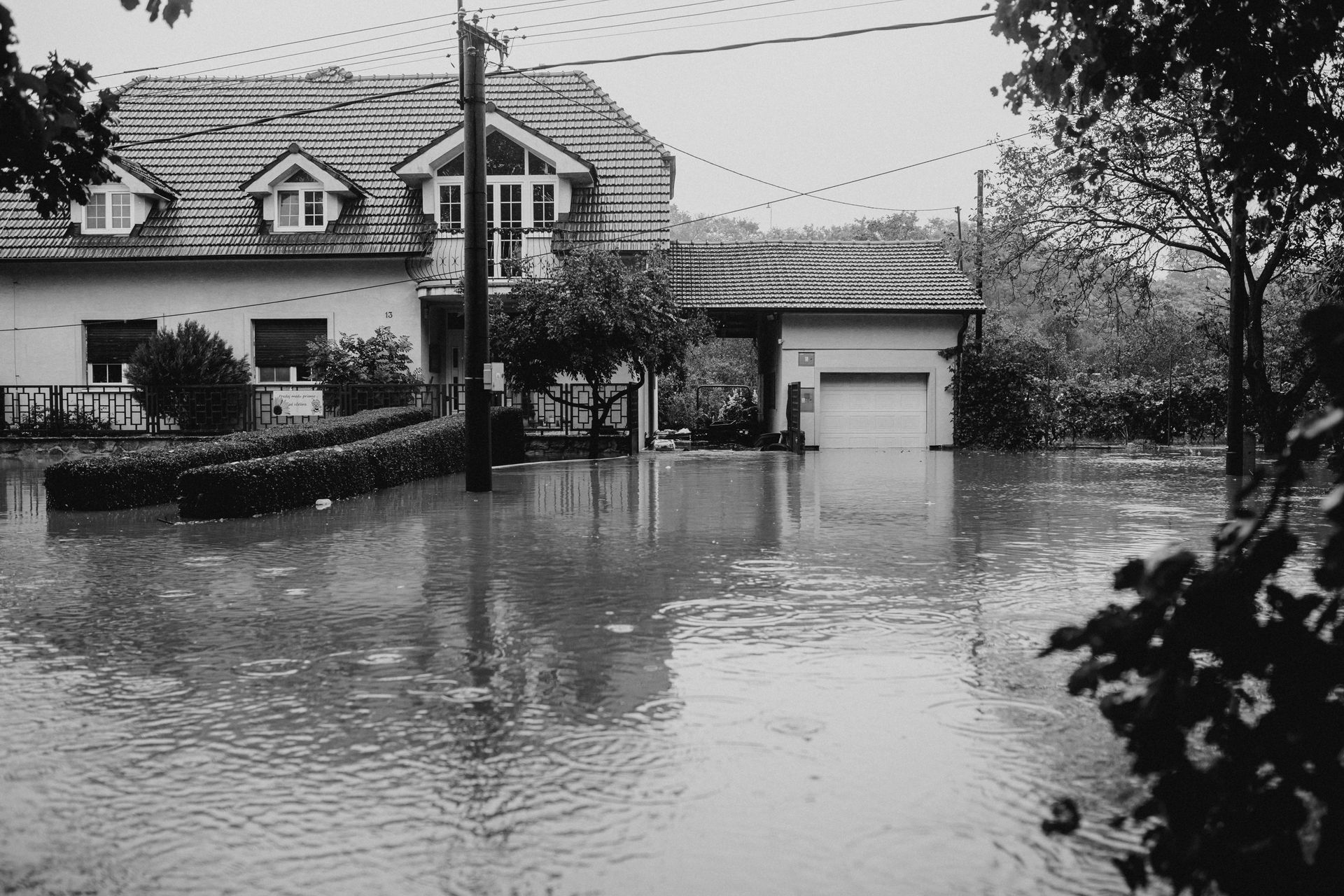
standard homeowners insurance does not cover damage or losses caused by flooding. For insurance purposes, a flood is any water from outside your home that flows inside at ground level. DIFI specifically notes that Arizona's hard desert ground does not soak up water, so it pools on the surface and runs toward the lowest point, which is often a slab foundation or a garage.
Many Valley residents assume flood coverage only matters near the Salt River or in a mapped floodplain. The numbers say otherwise. According to FEMA's National Flood Insurance Program,
almost one-third of NFIP flood claims (29 percent) come from outside high-risk flood areas, and 90 percent of all presidentially declared U.S. natural disasters involve flooding. The Flood Control District of Maricopa County puts it at
1 in 4 flood claims coming from outside a floodplain. Neighborhood construction, a clogged wash, or a burn scar upstream can turn a low-risk lot into a flooded one in a single storm.
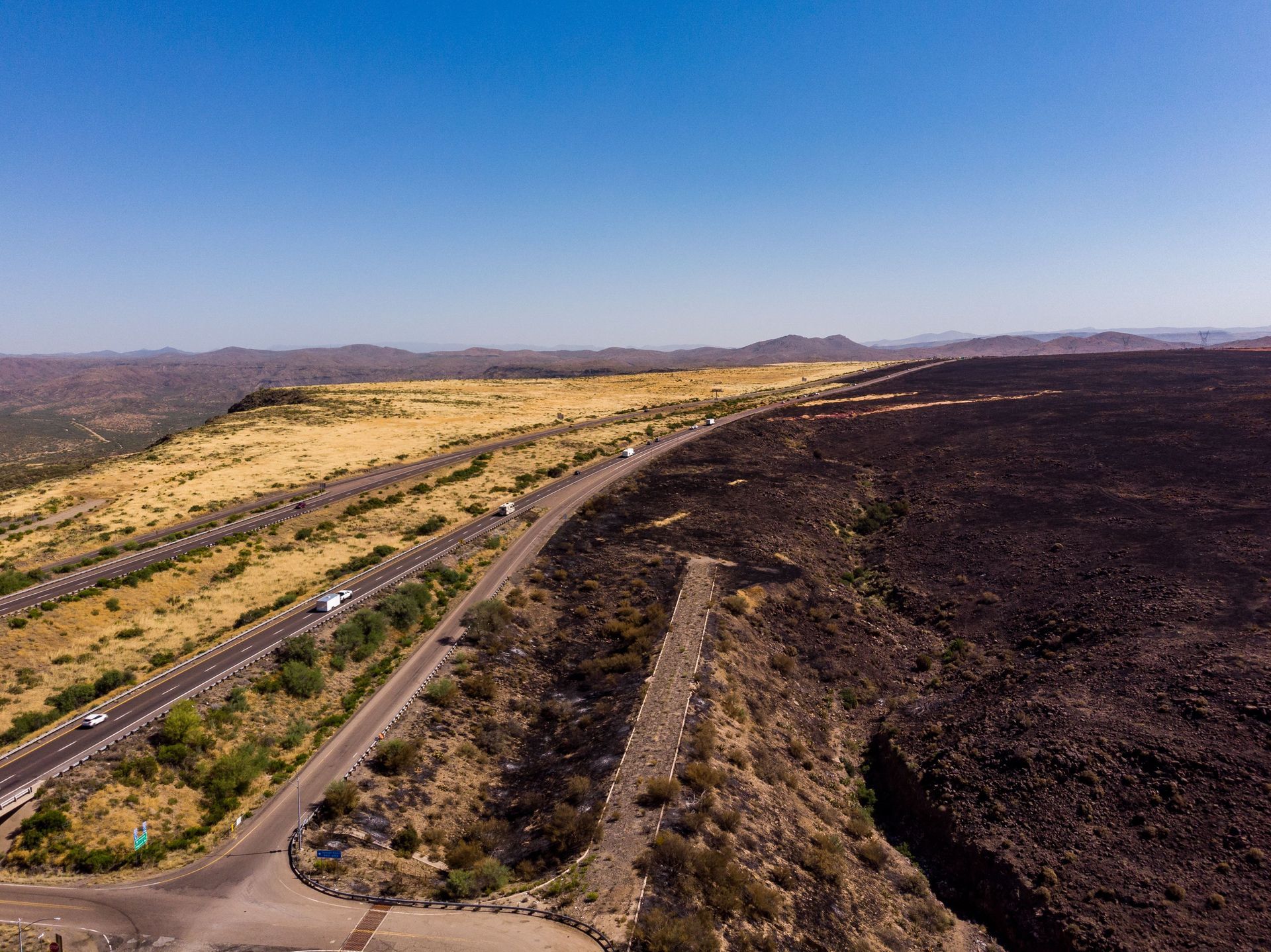
DIFI also points out that terrain changes shift your risk. A wildfire that strips ground cover in the hills above your subdivision can send far more runoff downhill the next monsoon season. That is why the state recommends periodically reevaluating your flood risk instead of relying on the map from when you bought the house.
What NFIP flood insurance covers in Arizona and what it does not
Flood insurance in Arizona is sold mostly through the National Flood Insurance Program, backed by FEMA, and written through independent agents like Riseson. The NFIP offers two separate coverages that are purchased and deductible separately. Per
FloodSmart.gov, building coverage for homeowners goes up to $250,000 and contents coverage up to $100,000. Renters can buy contents-only coverage up to that same $100,000 limit.
Building coverage protects the structure and its systems: the foundation, electrical and plumbing, the furnace and water heater, central air conditioning equipment, built-in appliances, permanently installed carpet and cabinets, and detached garages. Contents coverage protects clothing, furniture, electronics, washers and dryers, portable air conditioners, and up to $2,500 of valuables like original artwork.
What flood insurance does not cover matters just as much. NFIP policies exclude temporary housing and additional living expenses while your home is repaired, property outside the building such as landscaping, pools, patios and fences, vehicles, currency and valuable papers, and personal property stored in basements. Mold and mildew damage the owner could have prevented is also excluded. If you want living-expense protection after a flood, ask about a private flood policy, which we cover below.
How much flood insurance costs in Phoenix, Tucson, Mesa and across Arizona
NFIP rates are set by FEMA and are the same no matter which agent or company writes the policy, so there is no reason to shop the NFIP itself. What changes the price is your specific property: distance to water, how the home is built, its elevation and foundation type, and what it would cost to rebuild. FEMA calls this pricing approach Risk Rating 2.0.
Statewide, the
average NFIP policy in Arizona ran $1,069.89 per year as of November 30, 2025, according to FloodPrice's summary of NFIP data. City averages vary widely: Phoenix $793.97, Scottsdale $783.96, Glendale $1,056.69, Chandler $1,109.34, Mesa $1,168.73, Tempe $1,191.63, Gilbert $1,348.36, Tucson $1,354.96, and Peoria $1,364.19. The same source reports the average NFIP flood claim in Arizona over the past ten years at $20,200, and FEMA estimates that just one inch of water in an average home causes roughly $25,000 in damage.
Put those numbers side by side and the math is simple. A Phoenix homeowner paying under $70 a month is protecting against a loss that averages twenty thousand dollars and can run far higher. If you live in unincorporated Maricopa County, the Flood Control District's Class 5 rating in the NFIP Community Rating System earns
up to a 25 percent discount on flood premiums. FloodSmart also lists discounts for elevating your water heater or electrical panel and for obtaining an elevation certificate.
Arizona flood insurance requirements and the 30-day waiting period
Arizona law does not require flood insurance, but your lender might. If your home sits in a federally designated high-risk flood zone (Zone A or Zone AE on the FEMA map), any federally backed mortgage requires a flood policy. DIFI warns that if you do not buy one, the mortgage company will obtain
"forced place" flood insurance to protect its own interest and add that premium to your mortgage payment. Forced-place coverage is typically more expensive and protects the lender, not your belongings. Buying your own policy through an agent is almost always the better deal.
Timing is the trap. NFIP coverage takes effect 30 days after purchase. FloodSmart lists four exceptions: no wait when the policy is bought while making, increasing, extending or renewing a mortgage; no wait when changing coverage at renewal; a one-day wait if your property lands in a newly designated high-risk zone and you buy within 12 months of the map update; and a one-day wait if a flood is caused or worsened by a wildfire on federal land and you buy within 60 days of containment. That last exception is written for Arizona burn scars. Otherwise, a policy bought when a monsoon cell is already on the radar will not respond to that storm.
Coverage runs for one year and comes with a 30-day grace period after expiration, so a late renewal payment does not immediately leave you bare. The practical rule for Valley homeowners is to buy in spring, well before monsoon season starts in mid-June, and to review the policy every year at your home insurance renewal.
Private flood insurance and how it fits with your home policy
The NFIP is not the only option. Private flood carriers have grown in Arizona and can offer higher building limits than $250,000, contents limits above $100,000, and coverage for additional living expenses that the NFIP excludes. For a newer home in Gilbert, Queen Creek or North Scottsdale where rebuild cost exceeds the NFIP cap, a private policy may be the only way to insure the full structure. Private policies can also have shorter waiting periods, sometimes 10 to 14 days.
The trade-off is that private flood is underwritten. A carrier can decline a property, raise the rate, or non-renew after a claim, while the NFIP takes any eligible property in a participating community at the federally set rate. This is exactly the kind of decision an independent broker earns its keep on. Riseson quotes both routes, compares the exclusions, and makes sure the flood deductible and the home policy deductible are set so a single monsoon event does not trigger two large out-of-pocket hits.
Flood insurance is also the missing piece in a lot of "complete" home packages. Your home policy covers wind and hail from a haboob, your
water backup endorsement covers a sewer or drain backup that is not caused by surface flooding, and flood insurance covers water that comes in at ground level. Missing any one of the three leaves a gap. Our guide to
preparing for monsoon season walks through the physical prep that pairs with these coverages.
Beyond the basics: renters, condo owners and bundling
Renters need flood coverage too. A standard renters policy excludes flood the same way a homeowners policy does, and an NFIP contents-only policy is the fix. If you rent a ground-floor unit near a wash or in an older Tempe or Mesa complex with poor drainage, this is worth a conversation. Our
Arizona renters insurance guide covers the base policy.
Condo and townhouse owners should check whether the HOA master policy carries building flood coverage. If it does, your own NFIP policy only needs to cover contents and any interior finishes the master policy leaves to you. If the HOA has no flood policy, you may need building coverage on your unit as well.
Because NFIP pricing is fixed, flood does not bundle for a discount the way home and auto do. What bundling through one independent agent does is keep all three policies coordinated: matching deductibles, no gaps between the water backup endorsement and the flood policy, and one call after a storm instead of three. If you have not reviewed your package recently, our post on
how much bundling home and auto saves in Arizona is a good starting point, and
the essentials of home insurance coverage explains where flood sits among the other exclusions.
Frequently asked questions about flood insurance in Arizona
Does homeowners insurance cover flooding in Arizona?
No. Per the Arizona Department of Insurance and Financial Institutions, standard homeowners insurance does not cover flood damage. Water from outside that enters at ground level, whether from a monsoon storm, a flash flood, or an overflowing wash, requires a separate flood insurance policy through the NFIP or a private flood carrier.
How much does flood insurance cost in Phoenix, AZ?
The average NFIP policy in Phoenix cost $793.97 per year as of November 30, 2025, according to FloodPrice's summary of NFIP data, which is below the Arizona statewide average of $1,069.89. Tucson averaged $1,354.96 and Mesa $1,168.73. Your rate depends on your specific property under FEMA's Risk Rating 2.0 pricing, not on the company you buy from.
Is flood insurance required in Arizona?
Not by state law. A federally backed mortgage on a home in a FEMA high-risk flood zone does require it, and DIFI notes the lender will force-place a policy at your expense if you do not buy one. Outside a high-risk zone it is optional, even though roughly 29 percent of NFIP claims come from those lower-risk areas.
How long does it take for flood insurance to start?
A new NFIP policy takes effect 30 days after purchase. There is no wait when the policy is tied to a new or refinanced mortgage, and only a one-day wait if you buy within 60 days of a wildfire on federal land that raises your flood risk. Buy before monsoon season starts in June, not when a storm is already forecast.
Does flood insurance cover monsoon damage in Arizona?
It depends on how the water arrived. Rising surface water that enters the home is a flood claim. Wind-driven rain through a damaged roof is usually a homeowners claim. A sewer backup caused by flooding is covered by the flood policy, while a backup from clogged pipes is not. An independent agent can walk through your specific home and make sure each scenario has a policy that responds.
Get your Arizona flood insurance quote today
If you own or rent in Arizona and have never priced flood insurance, you are carrying a risk that your home policy was never designed to cover. Riseson Insurance is an independent Arizona broker, which means we work for you, not for one carrier. We will pull an NFIP quote and private flood options side by side, explain the waiting period and exclusions in plain language, and line the policy up with your home, renters, and auto coverage so nothing falls through the cracks. Reach out for a free Arizona flood insurance quote and see your options in one place.