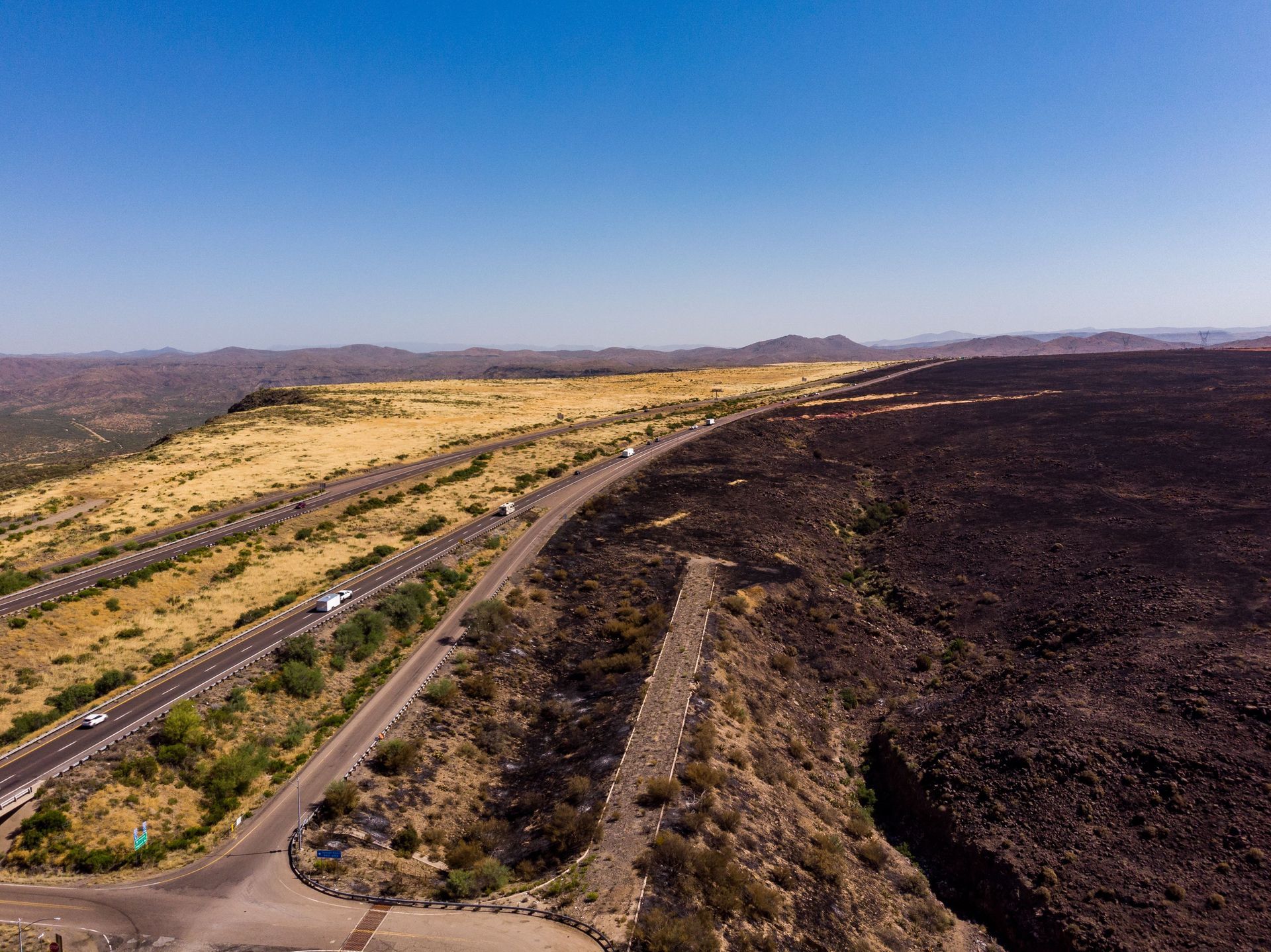
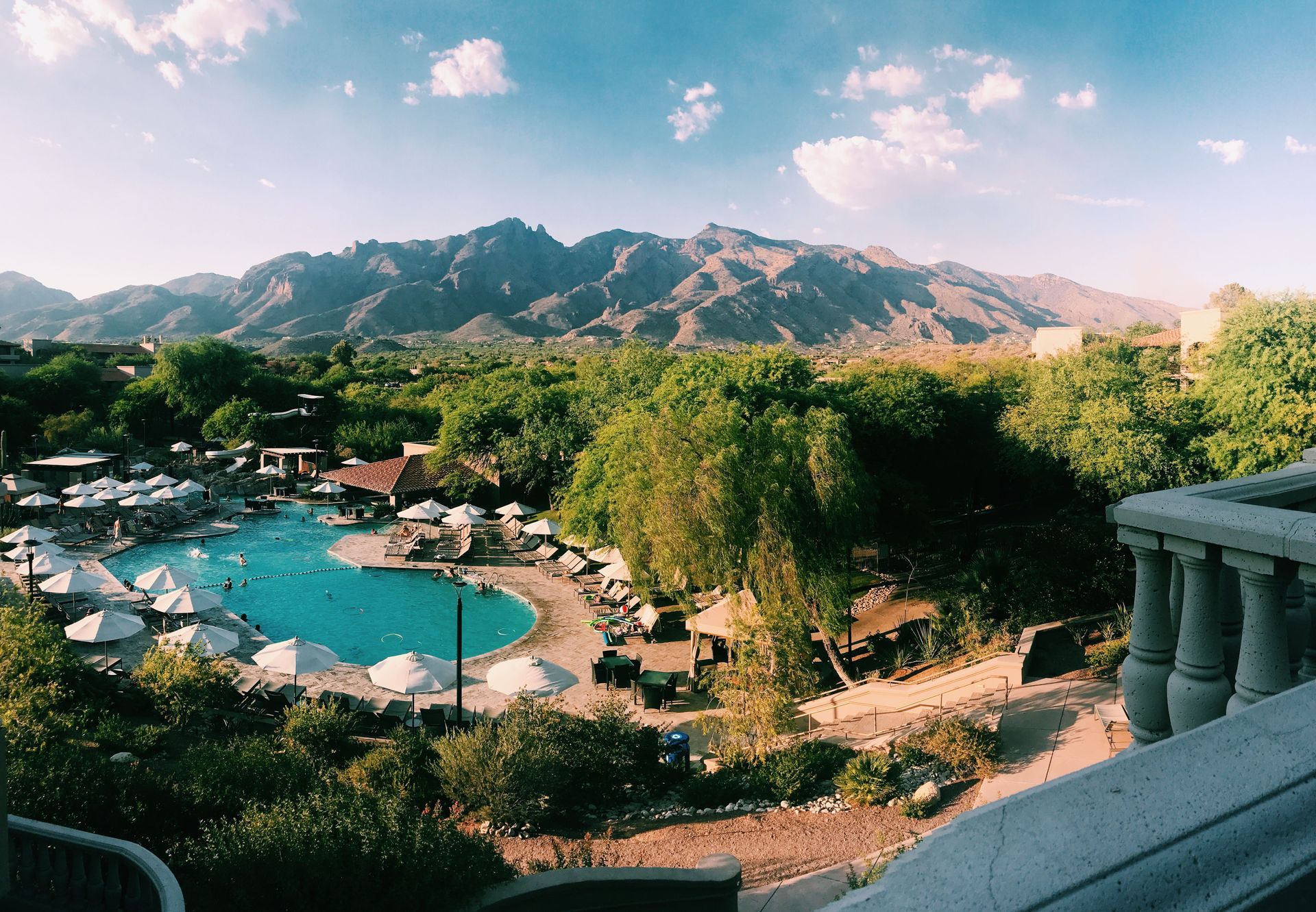
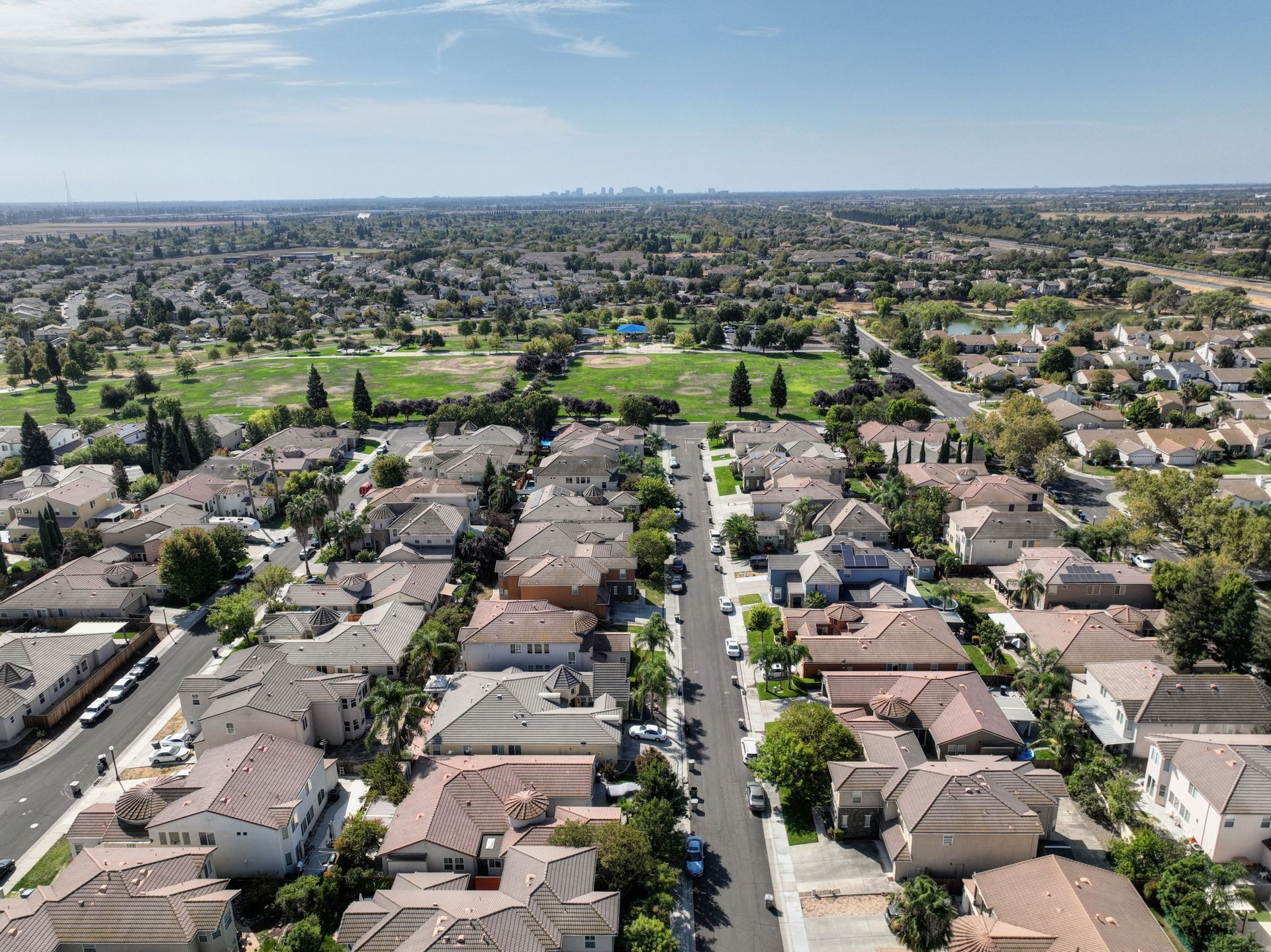
Arizona's weather does not look like the disaster maps you see for hurricanes or blizzards, and that is exactly why so many homeowners underestimate it. Between monsoon storms, extreme heat, and wildfire smoke drifting down from the high country, the Valley sees more insurance-relevant weather each year than most people realize.
If your homeowners policy has not been reviewed since you bought it, Arizona's shifting weather risk is a good reason to take another look. Carriers already have, and the pricing and coverage decisions they are making now reflect years of monsoon claims data, not guesswork.
Why Arizona weather is reshaping homeowners insurance
Arizona's official monsoon season runs June 15 through September 30, and it is no longer just an afternoon thunderstorm. Recent seasons have brought microbursts with winds up to 100 miles per hour, dust storms thick enough to cut visibility to near zero, and flash flooding that can strike miles from where the storm actually formed.
Nationally, wind and hail account for 42.5 percent of homeowners property damage claims and water damage and freezing account for another 22.6 percent, together making up nearly two-thirds of all homeowner losses, according to the Insurance Information Institute. In a state where both risks show up every summer, that national pattern is not an abstraction. It is the reason your policy's wind, hail, and water damage coverage deserves a closer look than most homeowners give it.
What bundling means and how Riseson helps
Weather-driven rate increases hit every carrier differently, which is exactly where an independent broker earns its keep. Bundling your home and auto policies with the right carrier for your specific risk profile, rather than staying with whichever company you started with, can offset some of what rising premiums have added to your bill.
As an
independent insurance broker, Riseson Insurance compares coverage and pricing across multiple top-rated carriers instead of representing just one. We look at how each company treats wind, hail, and monsoon-related water damage specifically, not just the headline premium, and build a bundle around the risks that actually apply to your home. See our guide on
how much you can save by bundling home and auto insurance in Arizona for the numbers behind this.
What Arizona's weather risk is doing to homeowners insurance costs
Arizona homeowners saw statewide rate increases of roughly 20 to 40 percent in 2026, nearly double the national average, driven by a mix of wildfire zone remapping, construction cost inflation, and intensifying monsoon seasons bringing more flash floods, high winds, and hail across the Phoenix metro and Tucson basin. Average annual premiums now run around $1,640 in Phoenix and $1,480 in Tucson, with northern Arizona cities like Flagstaff and Prescott seeing steeper increases tied to wildfire exposure.
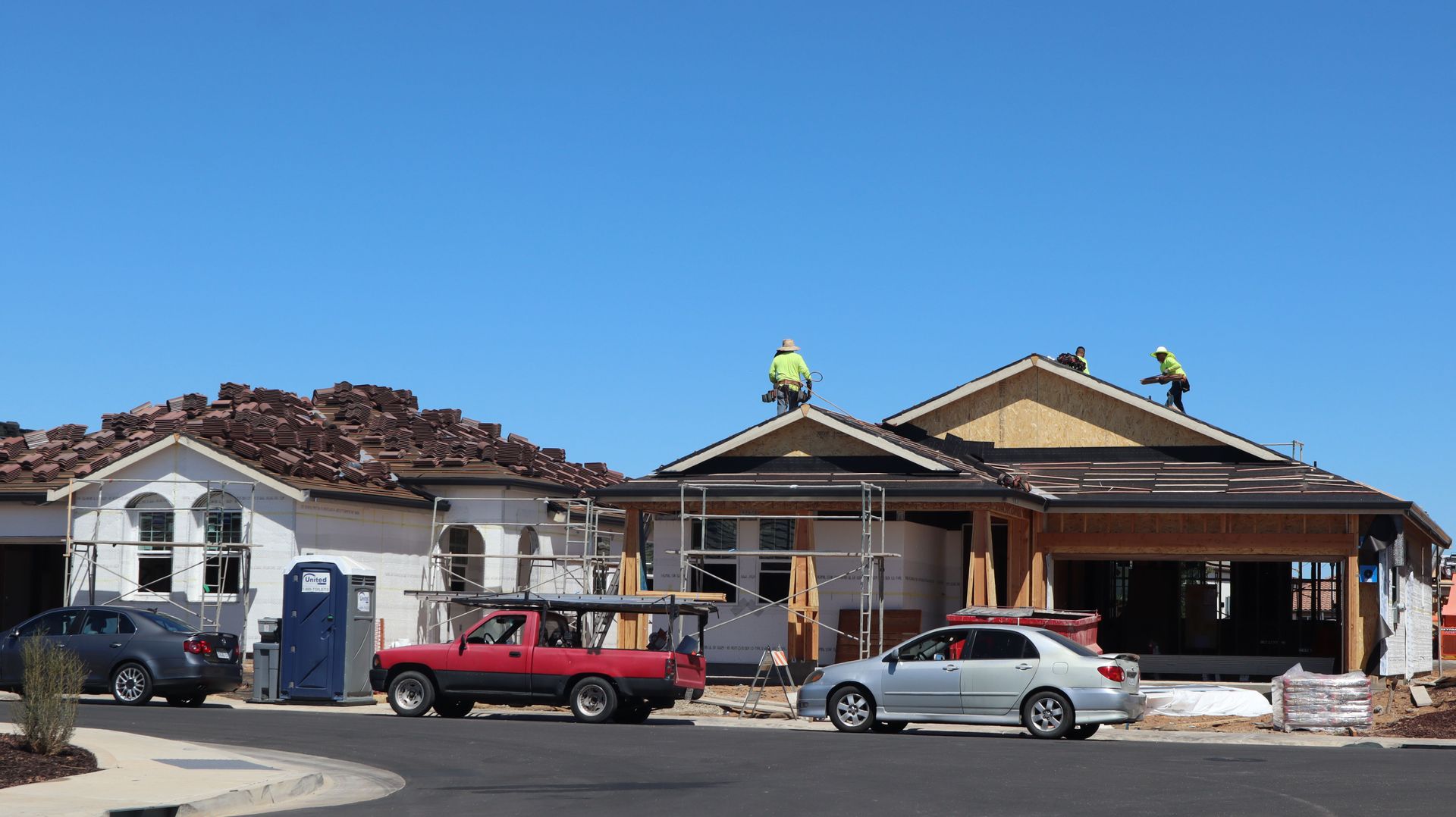
Because rebuild costs have climbed 35 to 50 percent since 2020, a policy insured at an outdated replacement value can leave you badly underinsured after a serious storm or fire. That gap tends to show up at the worst possible moment, when a claim is already underway and the payout falls short of what it actually costs to rebuild. Our guide to
replacement cost insurance for home and auto explains why that number matters more than your home's market value.
Local risk factors every Arizona homeowner should know
Monsoon hazards are not evenly distributed across the Valley. Homes near washes or low-lying areas face a higher flash flood risk, while newer construction on the desert edge faces more exposure to wind-driven dust and debris. A single monsoon cell dropped more than two inches of rain on Globe in under an hour during a recent season, a reminder that these storms can overwhelm drainage fast.
Extreme heat adds its own strain, from AC system failures to roof and siding damage that shows up as a claim months after the actual heat event. And in the higher-elevation parts of the state, wildfire smoke and direct fire exposure now factor directly into underwriting decisions. We cover that side of the risk in our guide to
wildfire risk and how insurers evaluate it.
Beyond the basics: preparing before the next monsoon
Most of what protects you against Arizona's weather happens before the storm, not after it. Clearing debris from roofs and gutters, securing loose exterior items, and confirming your policy's wind and water damage limits match today's rebuild costs all matter more here than in calmer climates. Our full monsoon prep guide covers
preparing your home and property for monsoon season step by step.
Frequently asked questions
When is monsoon season in Arizona?
Arizona's official monsoon season runs from June 15 through September 30, though storm activity typically peaks in July and August.
Does homeowners insurance cover monsoon damage in Arizona?
Standard homeowners policies generally cover wind, hail, and lightning damage from monsoon storms. Flood damage from rising water is typically excluded and requires separate flood insurance.
Why did my Arizona homeowners insurance premium go up so much?
Statewide increases of roughly 20 to 40 percent in 2026 have been driven by wildfire zone remapping, higher rebuild costs, and more frequent severe monsoon activity, not any single factor alone.
Does extreme heat affect homeowners insurance claims?
Yes. Heat-related strain on roofing, siding, and HVAC systems can lead to claims, and sustained high temperatures are one factor carriers weigh when pricing Arizona policies.
How can I lower my homeowners insurance costs in a high-risk Arizona area?
Maintaining defensible space, upgrading roofing materials, and comparing coverage across multiple carriers through an independent broker are the most effective ways to manage rising premiums tied to weather risk.
Get your homeowners insurance quote today
If your homeowners policy has not kept pace with Arizona's monsoon seasons, rebuild costs, or wildfire risk, you may be paying more than you should, or covered less than you think. Riseson Insurance is an independent Arizona broker, which means we work for you, not for one carrier. We will compare coverage across multiple top-rated companies, walk you through what your policy actually protects against Arizona's weather, and find the right balance between cost and protection. Reach out for a free Arizona homeowners insurance quote and see your options in one place.