If you are building a home, a shop, or a small commercial space in Arizona, the structure is not protected by your homeowners policy yet. Until the project is finished, the lumber, framing, and fixtures sitting on that lot are exposed to fire, theft, wind, and vandalism.
Builder's risk insurance is the temporary policy that fills that gap. It is one of the less familiar coverages, and a lot of owners and contractors only learn about it when a lender or a construction contract asks for it. Here is what builder's risk insurance covers in Arizona, what it leaves out, and how to think about cost.
What builder's risk insurance covers on an Arizona project
Builder's risk covers the building while it is under construction. According to
The Hartford, that typically includes the structure itself, construction materials and supplies, temporary structures like scaffolding, and debris removal. Covered causes of loss generally include fire, lightning, hail, explosions, theft, and vandalism.
Many policies also reach materials stored off site or in transit to the job. That matters on a Valley build, where a load of trusses or windows can sit in a staging yard for weeks before it ever reaches the lot.
Some policies add soft cost coverage. If a covered loss delays the project, soft costs can include extra loan interest, added architect fees, and other expenses that keep running while the building sits unfinished. Coverage is not standardized, so the details depend on the policy you choose.
What builder's risk usually does not cover
Knowing the exclusions matters as much as knowing the coverage.
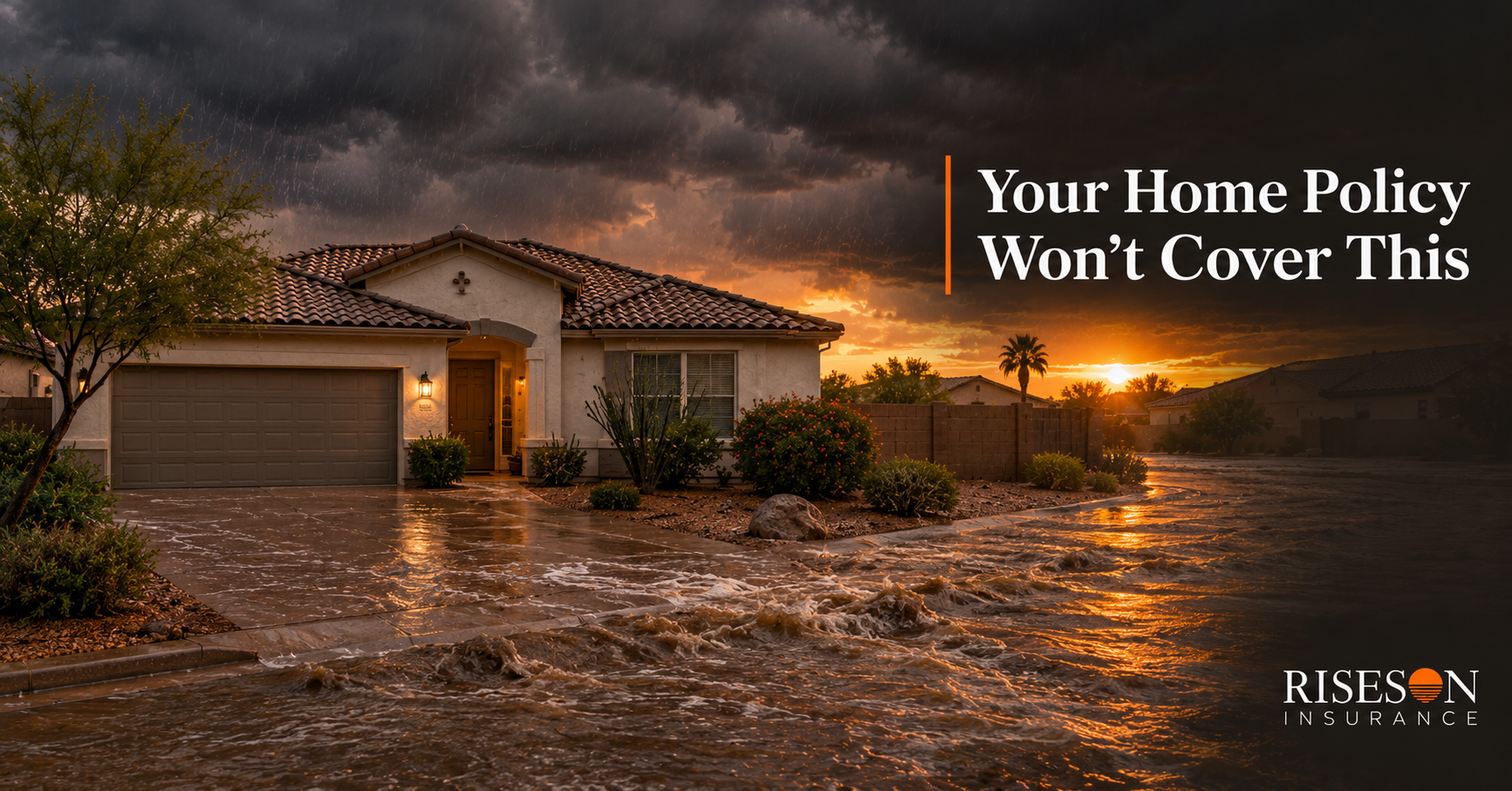
NerdWallet and The Hartford both note that flood and earthquake are commonly excluded unless you add coverage. In Arizona, where monsoon storms can send water across a graded lot in minutes, that exclusion deserves a conversation before you sign anything.
Other common exclusions include faulty workmanship or design, wear and tear, employee theft, and a contractor's own tools and equipment. Land, trees, and landscaping are also typically left out. If your site is exposed to a major dust storm, it is worth reading how
haboob damage is handled on other policies so you know where the gaps tend to show up.
Who should buy builder's risk in Arizona
Anyone with a financial stake in the building should care about this coverage. That includes the property owner, the general contractor, subcontractors, and the lender. Per NerdWallet, who actually buys the policy depends on the construction contract. Either the owner or the general contractor is generally responsible, and the other parties can be named as additional insureds.
Read the contract before you assume someone else has it handled. A homeowner who hires a builder and assumes the builder's general liability policy covers the structure may find out after a fire that it does not.
How much builder's risk insurance costs
NerdWallet reports that builder's risk typically runs about 1% to 5% of the total construction budget, citing Liberty Insurance. It also notes that many clients pay roughly $1,000 to $5,000 a year. Your actual number depends on the project type, materials, location, coverage limits, policy term, and the experience of the contractors involved.
The Hartford suggests setting your limits at the anticipated construction cost, so a more expensive build means a higher premium. Builder's risk is rarely quoted online. It usually takes an agent or broker who can match your project details to the right carrier.
When coverage starts and when it ends
Builder's risk is temporary by design. Coverage usually starts when contracts are signed, and it typically ends when the project is complete, the building is occupied, or it is put to its intended use. The exact trigger is written into the policy.
That end date is where owners get caught. Once the building is finished, you need permanent coverage in place, such as a homeowners policy for a house or a commercial property policy for a business. If you are building for an operating business, it is also worth looking at
business interruption coverage so lost income is protected once the doors open.
Frequently asked questions
How much does builder's risk insurance cost in Arizona? NerdWallet puts typical premiums at about 1% to 5% of the construction budget, or roughly $1,000 to $5,000 a year for many projects. Your price depends on the build, the materials, and the limits you choose, so a quote from an agent is the only way to get a real number.
Does my homeowners policy cover a home under construction in Arizona? Usually not. A standard homeowners policy is written for a finished, occupied home, and builder's risk is the product designed for the construction phase. Ask your agent how the two policies hand off when the build wraps up.
Does builder's risk cover flood damage during an Arizona monsoon? Flood is commonly excluded from builder's risk unless you add it, according to both NerdWallet and The Hartford. If your lot sits in or near a wash, ask about flood and water damage options before construction starts.
Who has to buy builder's risk, the owner or the contractor? It depends on the construction contract. Either the owner or the general contractor is generally responsible, and the other parties are often named as additional insureds, so check the contract language early.
Get your builder's risk quote today
If you are planning a build anywhere in the Phoenix area and have not sorted out coverage for the construction phase, now is the time to compare options. Riseson Insurance is an independent Arizona broker, which means we work for you, not for one carrier. We will walk you through what is covered and what is not, and help you line up builder's risk with the permanent policy that takes over when the project is done. Reach out for a free builder's risk quote and see your options in one place.