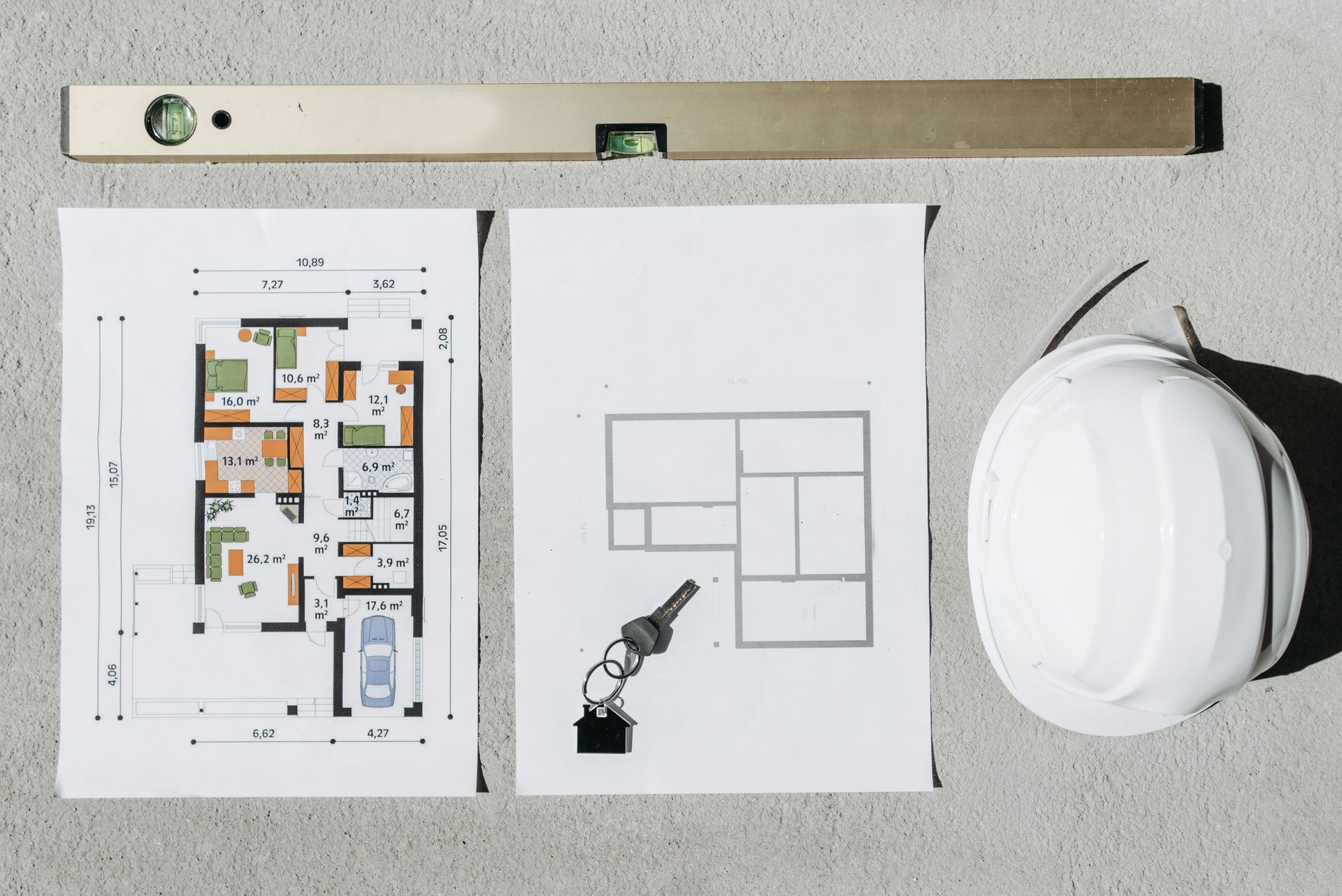
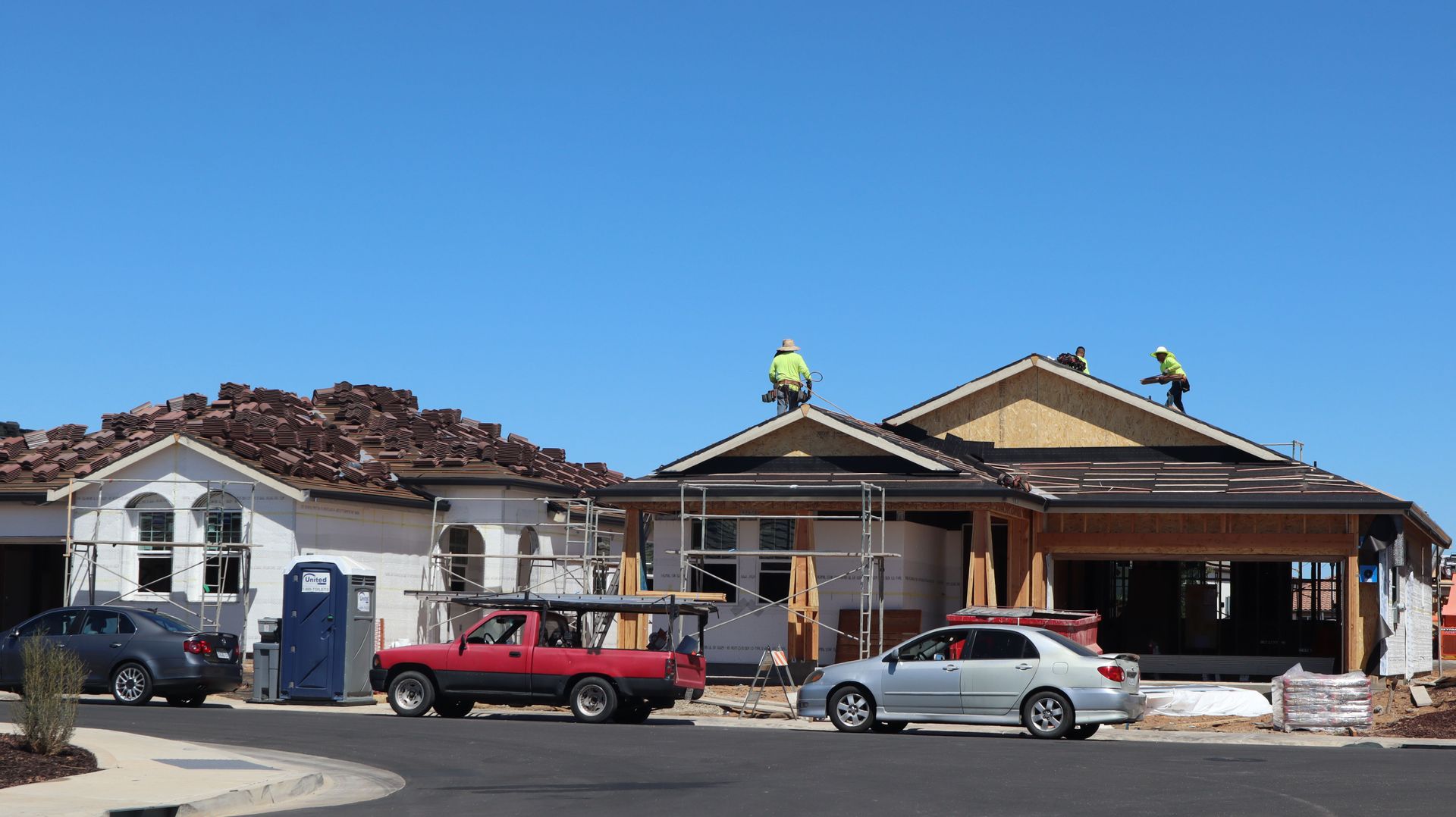
A kitchen gut, a casita out back, a new tile roof, a pool and covered patio. Arizona homeowners renovate constantly, and most of them tell their lender, their HOA, and their neighbors before a single wall comes down. The one call people skip is the one to their insurance agent.
That gap is where claims go wrong. A renovation changes what your home would cost to rebuild, changes who is working on the property, and in some cases changes how your policy responds while the work is underway. Here is what Arizona homeowners should sort out before the first permit gets pulled.
Why Arizona homeowners should call their agent before the work starts
The Insurance Information Institute is direct about this. If your renovation or addition costs more than 10 percent of your dwelling limit or more than $500,000, or if it means moving out of the house for any length of time, your insurance company needs to be notified beforehand (iii.org).
Skipping that notice has teeth. Per the same guidance, an unreported project can mean a claim gets settled at replacement cost less depreciation instead of full replacement cost, and a special construction deductible of 5 percent of the dwelling limit applies to each occurrence in place of your normal deductible. On a home insured for $500,000, that is a $25,000 deductible instead of $1,000.
One phone call before the project starts avoids all of it. As an independent broker, we can also tell you whether your current carrier is comfortable with the project at all, or whether it is worth moving the policy before the work begins rather than after a claim.
How renovations change your dwelling coverage limit
Dwelling coverage, or Coverage A, is built around what it would cost to rebuild your home with materials and labor at today's prices. A finished basement conversion, an added bedroom, a casita, or a full kitchen rebuild all raise that number. If your limit does not move with it, you are underinsured on the exact part of the home you just spent the most money on.
This is the most common renovation mistake we see in Arizona. Homeowners add 400 square feet and assume the policy figured it out. It did not. Your carrier only knows what you tell it or what shows up at the next renewal inspection, and renewal inspections are not reliable timing when monsoon season is three weeks away.
If you are unsure how your current limits are set, our guide to
policy limits in home and auto insurance walks through how each limit is chosen, and our breakdown of
replacement cost insurance explains why the rebuild number rarely matches what you paid for the house.
Who covers the work while the renovation is happening
During construction there are three separate exposures, and they do not all sit on your homeowners policy. The building materials sitting in your driveway, the liability if a worker or a visitor gets hurt on site, and the finished structure itself are each handled differently depending on your policy form and the size of the job.
Your contractor's insurance is the first line. Arizona's handyman exemption does not apply to any job that requires a local building permit, which means permitted remodel work must be performed by a contractor licensed through the Arizona Registrar of Contractors (A.R.S. 32-1121). Verify the license class matches the work at
roc.az.gov, and ask for a certificate of insurance showing general liability and workers compensation before anyone starts.
Vacancy is the other thing to watch. Standard homeowners forms carve out active renovation, so a home being remodeled is generally not treated as vacant. But if the project stalls and the house sits genuinely empty past 60 days with no work happening, vacancy provisions can cut coverage for vandalism and similar losses. Tell us if the timeline slips.
Ordinance or law coverage and Arizona building codes
Here is the part almost nobody plans for. If your home is damaged after the remodel, current building code may require the rebuild to meet standards your house was never built to. Ordinance or law coverage pays that gap, and most policies include it at only about 10 percent of your dwelling limit by default, with higher options commonly available at 25 percent and 50 percent (NerdWallet).
Older Phoenix, Tempe, and Mesa housing stock is exactly where this bites. A 1970s home that gets partially rebuilt after a fire may need updated electrical, egress windows, and insulation to pass inspection. Ten percent of Coverage A often will not cover that. Raising the ordinance or law limit is usually inexpensive, and a renovation is the natural moment to do it.
What Arizona homeowners should expect to pay
The average Arizona homeowners premium is $2,468 per year for a policy with $300,000 in dwelling coverage, $100,000 in liability, and a $1,000 deductible, according to
Insure.com. Your own number depends on your city, your roof age, your claims history, and the limits you carry, so treat that figure as a benchmark rather than a quote.
A renovation that raises your dwelling limit will raise your premium, because you are insuring more house. What surprises people is how often the increase is smaller than expected, and how often it is offset entirely. New wiring, a new roof, and updated plumbing frequently earn credits, and some carriers price a recently renovated home better than the same home before the work. That is worth shopping, which is what an independent broker is for.
Keeping the rest of your protection current
A remodel is a good moment to look at everything else. Higher home value usually means more personal property, which means your contents limit and any scheduled items should be reviewed. Increased home equity is also a common trigger for adding an umbrella policy. And if the renovation touched your roof, drainage, or landscaping, it is worth revisiting how your home handles
monsoon season before July arrives.
Frequently asked questions about renovations and home insurance in Arizona
Do I have to tell my insurance company about a home renovation in Arizona? Yes, if the project exceeds 10 percent of your dwelling limit or $500,000, or if you move out during the work. The Insurance Information Institute notes that failing to notify your carrier can result in a claim being paid at actual cash value plus a construction deductible of 5 percent of the dwelling limit.
Will a renovation raise my home insurance premium? Usually yes, because your dwelling limit goes up. The increase is often partly or fully offset by credits for new roofing, wiring, and plumbing. Arizona homeowners average $2,468 per year at $300,000 in dwelling coverage, per Insure.com.
Does my homeowners policy cover my contractor's mistakes? No. Faulty workmanship is your contractor's responsibility, which is why you should confirm their Arizona ROC license and request a certificate of insurance showing general liability and workers compensation before work begins.
What is ordinance or law coverage and do I need more of it? It pays the extra cost of rebuilding to current building code after a covered loss. Policies typically include about 10 percent of the dwelling limit, with 25 percent and 50 percent options available. Older Arizona homes that have been partially updated are the strongest candidates for a higher limit.
Is my house considered vacant during a remodel? Generally no. Standard forms treat a home being remodeled or repaired as not vacant. The risk appears when a project stalls and the house sits empty with no active work, which can trigger vacancy limitations after 60 days.
Get your Arizona home insurance reviewed before the remodel
If you are planning a renovation in Phoenix, Tempe, Scottsdale, Mesa, or anywhere else in the Valley, the cheapest insurance move you will ever make is a fifteen minute call before the work starts. Riseson Insurance is an independent Arizona broker, which means we work for you and not for one carrier. We will review your dwelling limit against the finished project, check your ordinance or law coverage, confirm your contractor's certificate is real, and pull quotes from multiple top rated companies so you can see the options side by side. If you would rather start with the basics, our
5 tips for buying home insurance from a local Arizona agent is a good place to begin. Reach out for a free Arizona home insurance review and let us make sure the policy matches the house you are about to have.