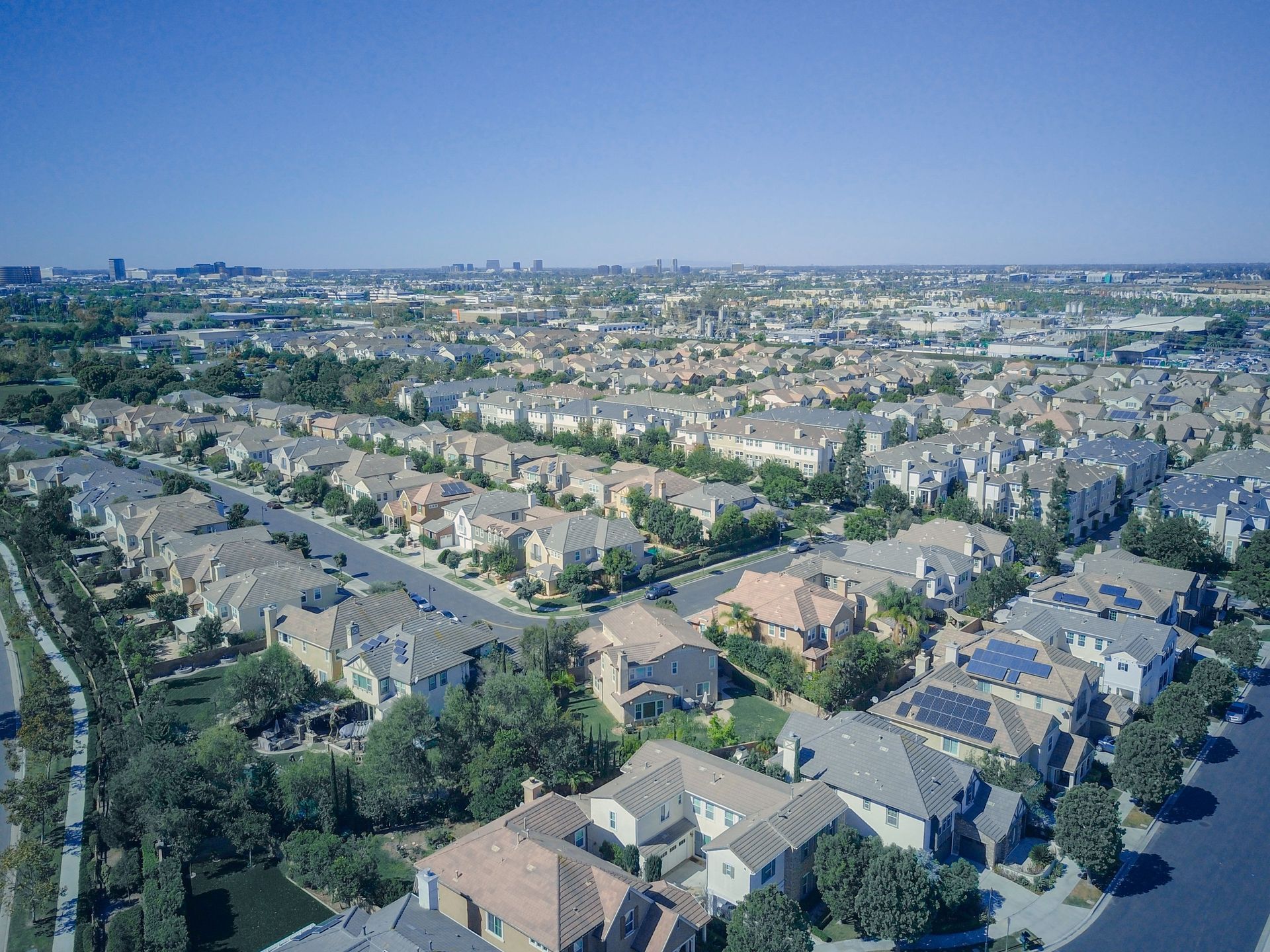
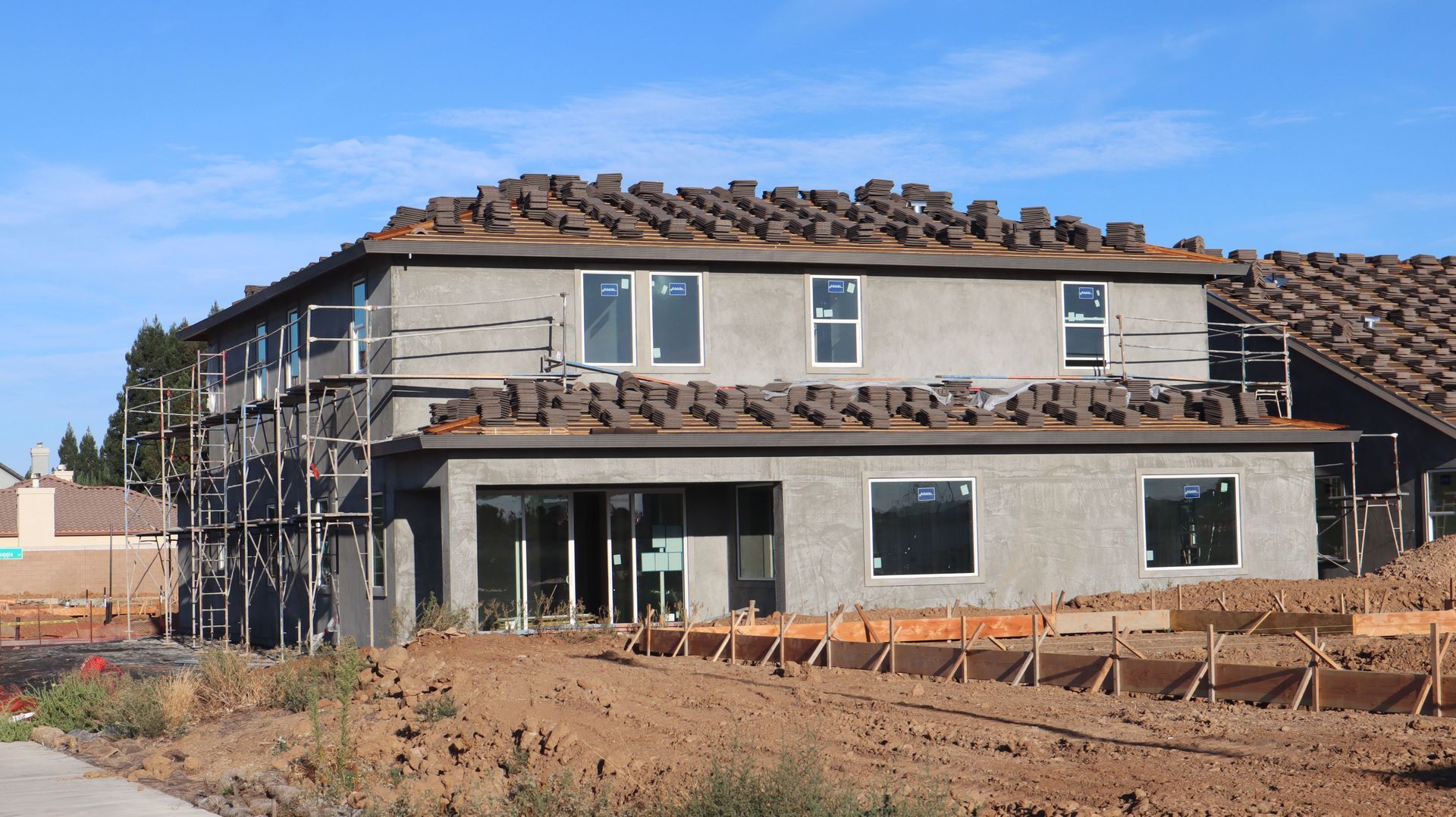
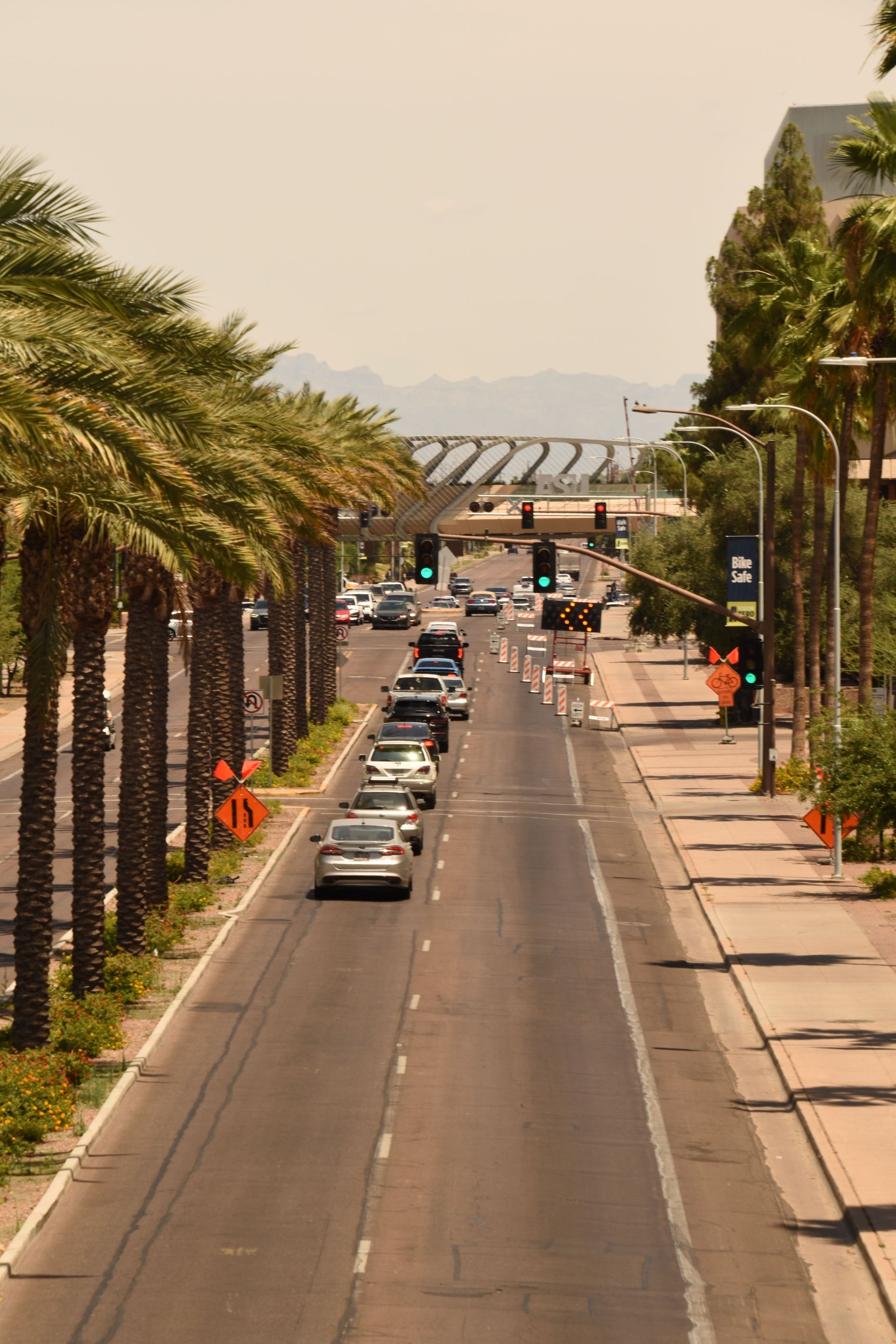
Arizona is a renter's state in a way most people underestimate. Between ASU and U of A students, snowbirds on six-month leases, families priced out of a hot purchase market, and West Valley newcomers renting while they build, a huge share of Arizona households do not own the roof over their heads. What they do own is everything underneath it.
That is the gap renters insurance in Arizona fills. Your landlord's policy covers the building. It does not cover your laptop, your furniture, your clothes, or the lawsuit that follows if your dog bites a neighbor. This guide walks through what the policy actually does, what it costs in Arizona, what the law does and does not require, and how much coverage is worth carrying.
Why Arizona renters need renters insurance
The single most common misunderstanding in this state is that the landlord's insurance protects the tenant. It does not. A landlord's policy covers the structure and the landlord's liability. Your belongings and your personal liability are yours to insure.
The coverage gap is enormous, and renters keep falling into it. A study by ORC International found that 95 percent of homeowners carry homeowners insurance while only 41 percent of renters carry renters insurance, according to the
Insurance Information Institute. That means most renters are absorbing 100 percent of the risk on everything they own.
Arizona adds its own pressure. Monsoon season from July through September drives wind, dust, and water damage claims. Extreme summer heat stresses electrical systems and appliances. Apartment fires spread between units. In every one of those scenarios, the building gets rebuilt on the landlord's dime and your possessions get replaced on yours, unless you have a policy.
The details shift by city. We have written city guides for renters in
Phoenix,
Tempe, and
Tucson if you want the local read on cost and risk where you live.
What renters insurance actually covers in Arizona
A standard renters policy does three jobs, and it is worth knowing them separately because people usually buy it for the first one and end up needing the second.
Personal property covers your belongings against covered perils like fire, theft, vandalism, and certain water damage. This follows you off the property too, so a laptop stolen from your car in a Mill Avenue parking garage is generally covered.
Personal liability covers legal costs and damages if someone is injured in your unit or you damage someone else's property. Most policies start around $100,000 in liability, and higher limits cost very little to add. This is the coverage that turns a bad day into a survivable one.
Additional living expenses pays for a hotel, meals, and the cost of living somewhere else while your unit is uninhabitable after a covered loss. In a Phoenix summer, that is not a luxury line item.
Is renters insurance required in Arizona
Arizona state law does not require renters to carry renters insurance. There is no state minimum, no penalty, and no filing requirement the way there is with auto liability.
Your lease is a different story. Under the Arizona Residential Landlord and Tenant Act, a landlord can legally require renters insurance as a condition of the lease, and most Valley property managers now do. That requirement is enforceable. If your lease requires coverage and you let it lapse, you are in violation of the lease, and depending on the terms your landlord may issue a notice to comply, charge a fee, decline to renew, or move to terminate.
So the honest answer is that the state does not require it but your landlord probably does, and even when nobody requires it the math still favors carrying it. We break the requirement question down further in our guide on
whether renters insurance is required in Arizona.
What renters insurance costs in Arizona
Renters insurance is the best value in personal insurance, and it is not close. Arizona renters pay an average of $275 per year, or about $23 per month, according to
Insure.com. Basic policies quoted online often land between $12 and $20 a month at a $500 deductible with roughly $20,000 to $30,000 in personal property coverage.
Compare that to what it replaces. A single apartment fire or a burglary can wipe out $20,000 of belongings that took years to accumulate. At $23 a month, the policy pays for itself the first time you use it and then some.
What moves your price: the amount of personal property coverage you select, your deductible, your liability limit, whether you choose replacement cost or actual cash value, your city, and your claims history. Bundling with auto is usually the biggest single lever, which we cover below.
How much renters insurance coverage you need
The instinct is to buy the cheapest limit on the screen. That is how people end up underinsured by thousands of dollars.
A reasonable Arizona baseline is roughly $40,000 in personal property, $300,000 in liability, and a $1,000 deductible. But the right number is not a rule of thumb, it is an inventory. Walk your unit room by room and add up what it would cost to rebuy everything at today's prices. Most people land far higher than they guessed, because they forget the accumulated stuff: kitchen goods, the closet, the tools in the garage, the bike.
One choice matters more than the limit itself.
Replacement cost pays what it costs to buy the item new today.
Actual cash value pays the depreciated value, which on a five-year-old TV is close to nothing. Replacement cost typically costs a little more and is almost always worth it. Our deeper walkthrough on
how much renters insurance you really need covers the inventory method in detail.
What renters insurance does not cover in Arizona
Two gaps catch Arizona renters specifically.
Flood is not covered. A standard renters policy excludes flood, and that matters more here than people expect. Monsoon runoff, washes that overrun, and ground-floor units near the Salt River bed all carry real exposure. Flood coverage for a tenant's contents is a separate policy through the
National Flood Insurance Program or a private flood carrier.
High-value items are sub-limited. Jewelry, firearms, cameras, musical instruments, and collectibles are typically capped at a low internal limit even when your overall property limit is high. If you own an engagement ring or serious camera gear, those need a scheduled endorsement listing the item and its value.
Roommates are the third one worth naming. Your policy covers you, not your roommate's belongings, unless they are named on it. In practice, separate policies are usually cleaner and cheaper than trying to share one.
Where an independent broker changes the outcome
Riseson Insurance is an independent Arizona broker. We are not captive to one carrier, so we are not talking you into whatever one company happens to sell. We pull quotes across multiple top-rated carriers and compare what is actually covered, not just the monthly number.
That matters most on bundling. Pairing renters with your auto policy frequently drops the combined premium enough that the renters coverage is close to free, but which carrier gives the best bundle depends on your driving record, your vehicle, and your city. A captive agent can only check one answer. We can check the field and tell you where the math lands.
It also matters on the details that decide claims: replacement cost versus actual cash value, liability limits that fit your actual exposure, scheduled items, and whether a flood policy belongs in the picture. Arizona carriers are regulated by the
Arizona Department of Insurance and Financial Institutions, and every licensed carrier we place with is one you can verify there.
Frequently asked questions about renters insurance in Arizona
How much does renters insurance cost in Arizona? Arizona renters pay an average of $275 per year, or about $23 per month, according to Insure.com. Online quotes for basic coverage commonly run $12 to $20 a month with a $500 deductible and $20,000 to $30,000 in personal property. Your actual rate depends on your coverage limits, deductible, city, and whether you bundle.
Is renters insurance required by law in Arizona? No. Arizona has no state law requiring renters insurance and no minimum coverage amount. However, landlords may legally require it as a lease condition under the Arizona Residential Landlord and Tenant Act, and most Valley property managers do. If your lease requires it, letting coverage lapse puts you in violation of the lease.
Does renters insurance cover flood damage in Arizona? No. Standard renters policies exclude flood. Given Arizona monsoon runoff and washes, tenants in flood-prone areas should look at a separate contents policy through the National Flood Insurance Program or a private flood carrier.
Does my landlord's insurance cover my belongings? No. Your landlord's policy covers the building structure and the landlord's own liability. Your personal property and your personal liability are not covered by it. That is the entire reason renters insurance exists.
Can I save money bundling renters with auto insurance? Usually yes, and it is often the single largest discount available to a renter. The size of the bundle discount varies by carrier, which is why comparing across multiple companies rather than accepting one carrier's offer tends to produce the better result.
Get your Arizona renters insurance quote today
If you rent in Arizona and you have not compared renters quotes in the last year, you are likely either overpaying or carrying limits that will not hold up when you need them. Riseson Insurance is an independent Arizona broker, which means we work for you, not for one carrier. We will pull quotes from multiple top-rated companies, walk you through what is actually covered, and find the bundling angle that saves the most. Reach out for a free Arizona renters insurance quote and see your options in one place.