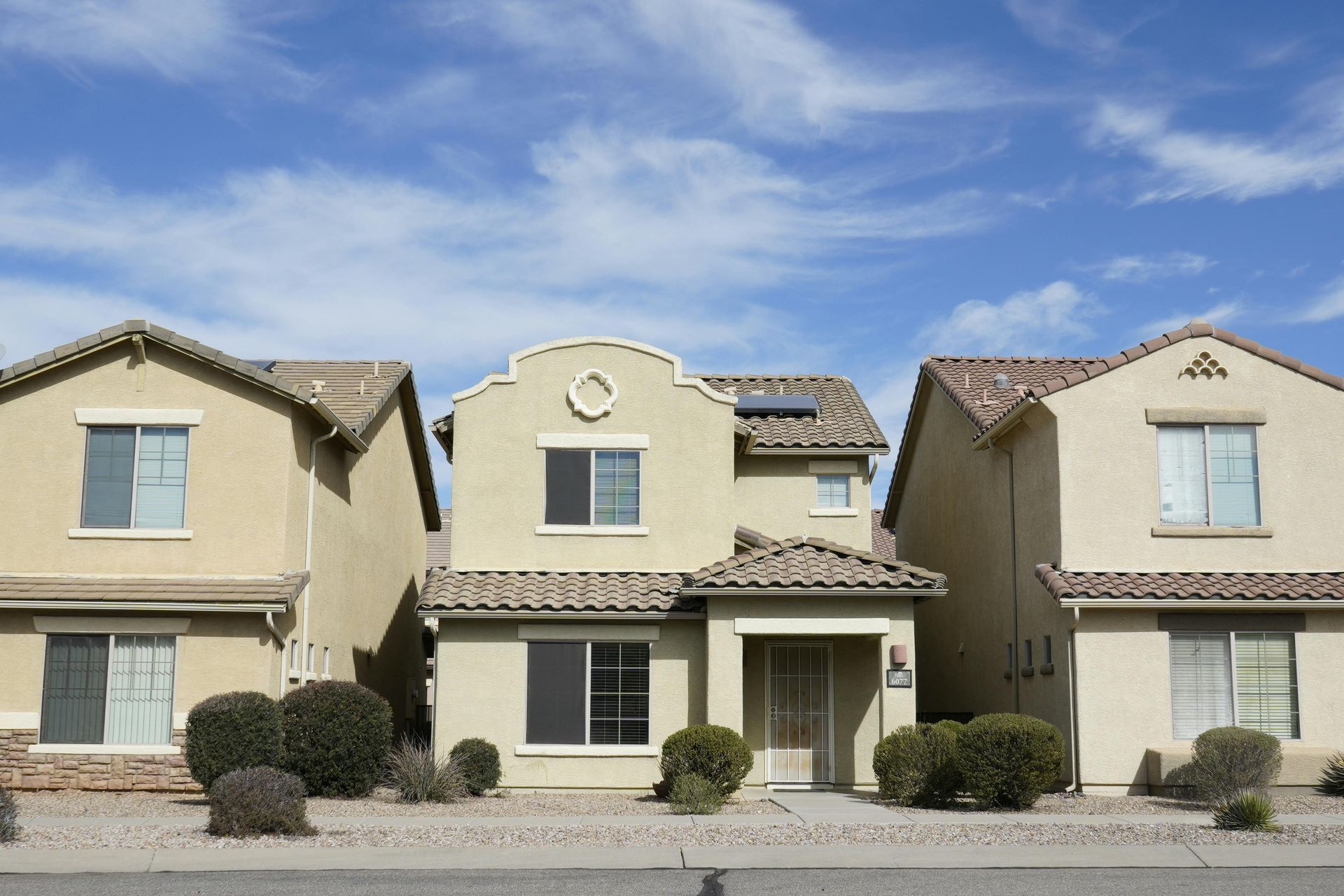
If you own a home in Phoenix, you already know the Valley does not make it easy on your house. Triple-digit summer heat, monsoon season, and steadily climbing rebuild costs have pushed home insurance premiums higher than most homeowners expected. The good news is that an independent broker can shop multiple carriers at once and find you a policy that actually fits your situation.
Riseson Insurance is a local Arizona agency. We work for Valley homeowners, not for a single insurance company. This guide walks you through what Phoenix home insurance covers, what it costs in 2026, and the steps that help you avoid being underinsured when a storm or fire hits.
Why Phoenix Home Insurance Requires Extra Attention
Phoenix sits in a climate that is uniquely hard on homes. Summer temperatures regularly exceed 115 degrees, which accelerates roof degradation, warps wood fascia and trim, and pushes HVAC systems to their limits. Many carriers now require roof inspections for homes over 15 years old before they will bind coverage, and policies written on aging tile or composition roofs sometimes carry higher deductibles specifically for wind and hail events.
Monsoon season runs July through September and brings sudden microburst winds, large hail, and flash flooding that account for a meaningful share of annual homeowner claims across Maricopa County. The Arizona Department of Insurance and Financial Institutions (DIFI) notes that insurance claims in Arizona frequently result from monsoon storms bringing high winds and hail that damage roofs and exteriors.
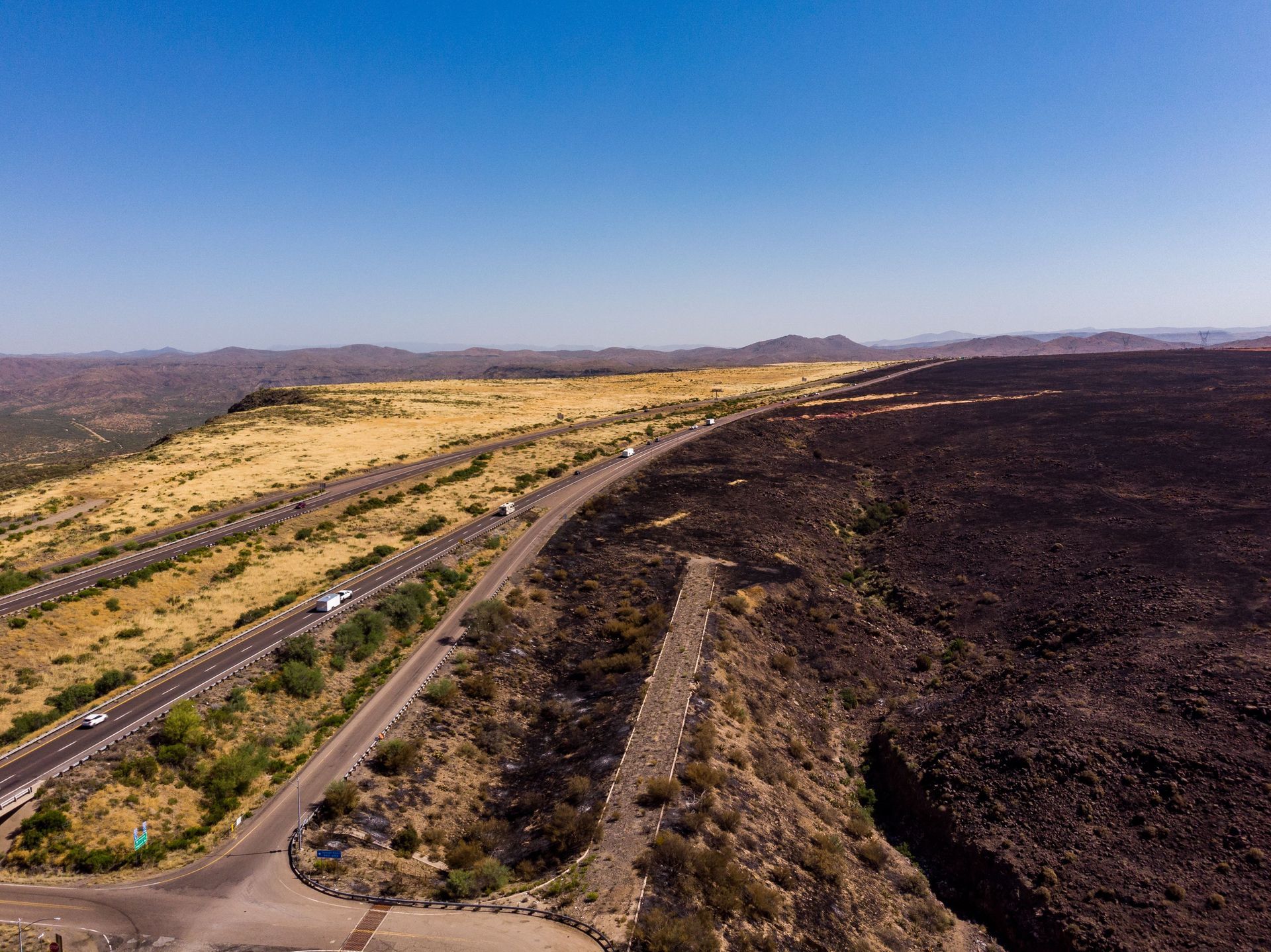
Wildfire is a rising concern, too. DIFI reports that 38 Arizona communities are currently rated at elevated wildfire risk, and northeast Valley neighborhoods sit close to wildland-urban interface zones. Some carriers have begun tightening underwriting guidelines in higher-risk zip codes, which makes having a broker with access to multiple markets especially valuable.
How Bundling Auto and Home Insurance Saves Phoenix Homeowners Money
One of the most effective moves a Phoenix homeowner can make is to bundle home insurance with an auto policy under the same carrier. Most insurers offer multi-policy discounts that reduce the combined premium by 10 to 25 percent. On a $2,700 annual home insurance premium, a 15 percent bundle discount saves around $400 per year, which is real money even before you factor in the auto savings.
As an independent broker, Riseson Insurance pulls home and auto quotes from multiple top-rated carriers simultaneously. That means you see not just the home-only rates but also the bundled rates side by side, so you can make an apples-to-apples comparison. Bundling through a single carrier also simplifies your coverage, since one phone call handles both policies when you need to file a claim. If you have already compared home insurance prices on your own but have not looked at a bundled quote, there is a good chance you are leaving savings on the table.
Phoenix homeowners who own multiple vehicles, have a teen driver, or maintain a boat or motorcycle often find that an
auto insurance review in Arizona is often the right starting point for bundling savings, and Riseson Insurance can walk you through whether an umbrella policy makes sense for your household.
What Home Insurance in Phoenix Typically Costs
Phoenix homeowners pay an average of approximately $2,709 per year for a policy with $300,000 in dwelling coverage, according to 2026 rate data from Insurify. That sits above the Arizona statewide average, which ranges from about $2,225 to $2,600 annually depending on coverage level. Arizona home insurance rates have climbed roughly 70 percent over the past six years, the fourth-largest increase of any state nationwide, driven by increased storm frequency, higher rebuild costs, and growing wildfire exposure.
Your actual premium will depend on your home's age, roof type and condition, claims history, proximity to a fire station, and the coverage limits and deductibles you choose. A higher deductible lowers your monthly cost, but make sure the deductible is an amount you can actually cover out of pocket before you sign. A $5,000 deductible is not a deal if you do not have $5,000 liquid when a monsoon hail storm hits your roof.
Arizona Home Insurance Requirements and Coverage Gaps to Know
Arizona does not legally require homeowners to carry home insurance the way the state requires auto liability coverage. However, if you have a mortgage, your lender will require it as a condition of the loan, and the lender-placed policy they assign if yours lapses is almost always more expensive and less comprehensive than a policy you choose yourself.
Standard HO-3 homeowners policies cover the dwelling structure, other structures (fences, detached garages), personal property, liability, and additional living expenses if you are displaced by a covered loss. What they do not cover by default: flood damage, earthquake, and in some policies, sewer backup. Phoenix sits in a region with significant flash flood risk, especially in low-lying areas and near washes. The National Flood Insurance Program (NFIP) via FEMA offers separate flood policies, and even moderate-risk zones benefit from coverage given how quickly monsoon water can accumulate. You can learn more about flood coverage options at
FloodSmart.gov.
Another gap many Phoenix homeowners discover too late: insufficient dwelling coverage. Rebuild costs in the metro area have risen significantly since 2020. If your dwelling limit reflects a 2019 appraisal, there is a real risk you are underinsured. Riseson Insurance will review your current limits and flag any gaps before they become a problem.
Beyond the Basics: Making Your Phoenix Policy Work Harder
A few additions can make a standard Phoenix home insurance policy significantly more valuable. Replacement cost coverage on personal property pays what it costs to replace your items new, rather than their depreciated value. For a furnished three-bedroom home, the difference between actual cash value and replacement cost can be tens of thousands of dollars after a total loss. Extended replacement cost on the dwelling itself, typically 25 to 50 percent above the stated limit, gives you a buffer if rebuild costs spike further. Both are worth asking about when you compare quotes.
If you have made improvements to your home, whether a kitchen remodel, a pool addition, or a solar panel installation, make sure your policy reflects the updated value. Improvements increase your rebuild cost and need to be reflected in your dwelling limit. Riseson Insurance recommends reviewing your coverage limits every year or any time you complete a significant project. For Arizona condo owners, the coverage structure is different: read our guide to
Arizona condo (HO-6) insurance to understand how your unit coverage and the HOA master policy interact.
Frequently Asked Questions About Home Insurance in Phoenix
How much does home insurance cost in Phoenix, AZ?
Phoenix homeowners pay an average of about $2,709 per year for $300,000 in dwelling coverage, according to 2026 rate data. Your actual rate will vary based on your home's age, location, roof condition, and the coverage limits you select. Bundling with an auto policy typically reduces the combined premium by 10 to 25 percent.
Does home insurance in Arizona cover monsoon damage?
Yes, in most cases. A standard HO-3 policy covers wind and hail damage from monsoon storms, including roof damage and water intrusion that enters through a storm-created opening. It does not cover flooding from water that enters at ground level. For flood coverage, you need a separate NFIP or private flood policy. The Arizona Department of Insurance and Financial Institutions (DIFI) at
difi.az.gov has additional guidance on what standard Arizona policies cover.
Is home insurance required in Arizona?
The state does not require it by law, but your mortgage lender will require a homeowners policy as a condition of your loan. If your policy lapses, the lender will force-place coverage on the property at your expense, and lender-placed policies are typically more expensive and offer less protection than a policy you select yourself.
How can I lower my home insurance premium in Phoenix?
Bundle your home and auto policies with the same carrier, raise your deductible to an amount you can comfortably cover, install monitored security and fire alarm systems, and make sure your roof is in good condition. Some carriers also offer discounts for new construction, hail-resistant roofing materials, and claims-free history. An independent broker like Riseson Insurance will identify which discounts apply to your home across multiple carriers.
Does wildfire risk affect home insurance in the Phoenix area?
Wildfire risk is more of a factor in the northeast Valley and mountain-adjacent neighborhoods than in central Phoenix. However, DIFI notes that wildfire risk is being weighed more heavily by carriers statewide, and some have tightened underwriting in higher-risk zip codes. If your home is in a wildland-urban interface area, having a broker who can access multiple markets is important for finding competitive coverage.
Get Your Phoenix Home Insurance Quote Today
If you own a home in Phoenix and have not compared home insurance quotes in the last year, you may be paying too much or carrying the wrong coverage for your current situation. Riseson Insurance is an independent Arizona broker, which means we work for you, not for a single company. We will pull quotes from multiple top-rated carriers, review your current limits, and identify the bundling options that save the most. Whether you are buying a new home in the Valley or reviewing an existing policy, reach out for a free Phoenix home insurance quote and see your options side by side.