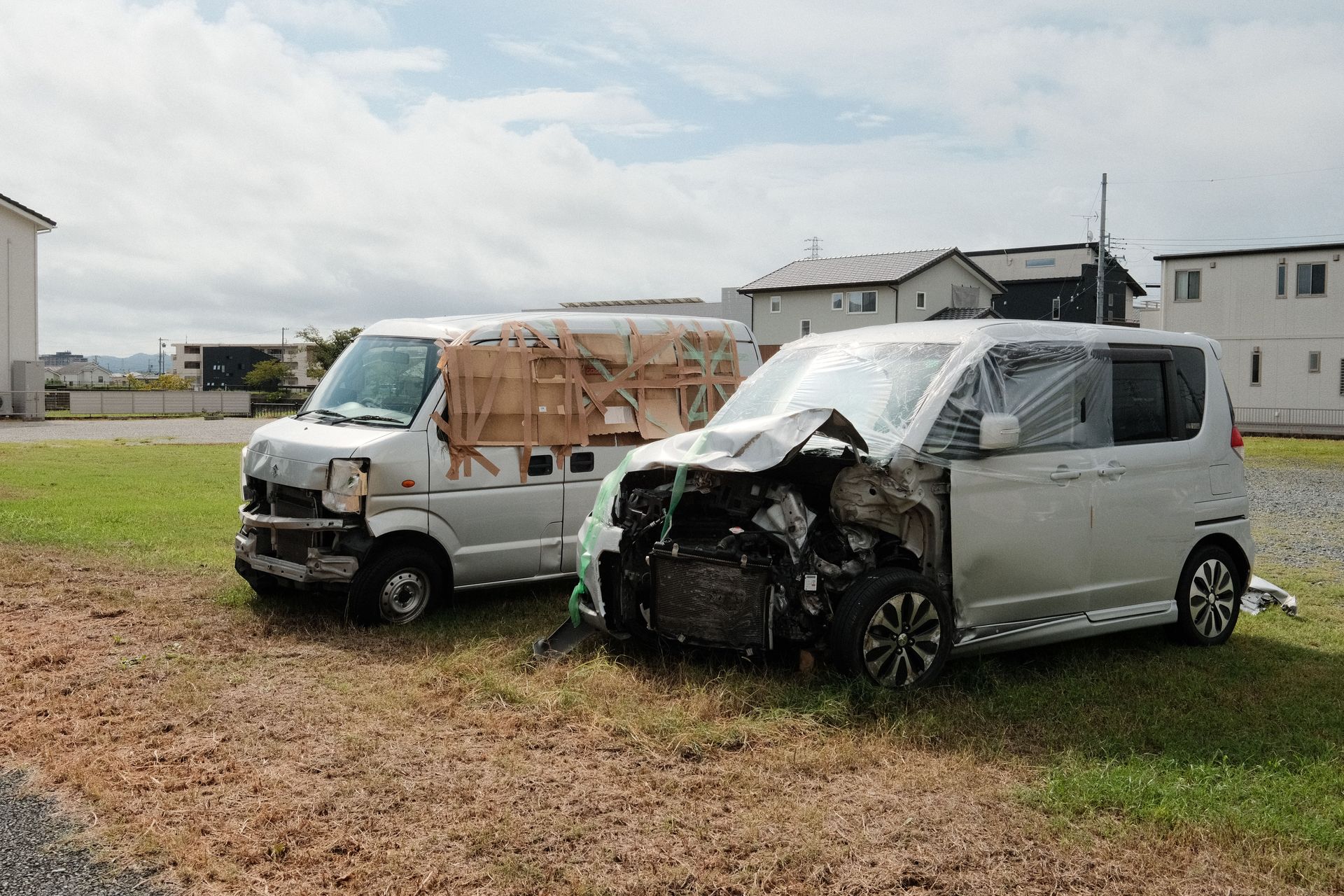
Your driving record is one of the biggest things a carrier looks at when it prices your car insurance in Arizona. A single ticket or at-fault accident can move your rate, and a clean record is often what keeps it low. Knowing how the record works helps you decide what to do before your next renewal.
At Riseson Insurance, we are an independent Arizona broker, so we can compare how several carriers treat the same record. This guide explains how the state's point system works, how much a ticket or accident can add to a premium, and what you can do about it.
How Arizona's point system and your insurance record connect
Arizona's MVD assigns points to moving violations. According to
DrivingLaws.org, DWI, reckless driving, racing and aggressive driving carry 8 points each, causing an injury accident carries 4, failing to maintain a prudent speed carries 3, and most other violations carry 2.
Those MVD points are separate from your insurance pricing. Carriers pull your motor vehicle record and set their own surcharges, so a ticket can affect your premium even when it adds only a few points. Where the MVD looks at a 12-month window for suspensions, insurers often look back several years.
What a ticket or accident can add to your premium
Rate impacts vary by carrier, but national averages give a useful picture.
Insurify reports that an at-fault accident raises average liability rates by about 34 percent, and a speeding ticket by about 29 percent. Insurify also notes that an accident may stay on your record for three to five years.
Those are national figures, not Arizona quotes, so your result will differ. The takeaway for Valley drivers is that one incident can affect several renewals, which is why shopping the policy matters more after a violation than before one.
Serious violations and Arizona suspensions
The MVD suspends a license when a driver reaches 8 or more points within a 12-month period. DrivingLaws.org lists a 3-month suspension for 8 to 17 points, 6 months for 18 to 23 points, and 12 months for 24 or more.
A suspension or a major violation such as a DWI can lead a carrier to non-renew a policy or move the driver to a higher-risk carrier. If that happens, an independent broker can look across carriers instead of leaving you with one company's single offer.
Ways to protect your rate after a violation
Start by reading your own record so you know exactly what carriers see. Mistakes happen, and a wrong entry is worth disputing. Ask your agent which violations are still being surcharged and when each one is due to drop off.
For some offenses, completing a defensive driving course can avoid the point assessment, per DrivingLaws.org. Drivers with 8 to 12 points may also be offered a traffic survival school instead of a suspension, available once every 24 months. Check with the MVD or court for what applies to your ticket.
Why comparing carriers matters most after a ticket
Carriers weigh violations differently. One company may surcharge a speeding ticket heavily while another barely moves the rate, and the gap is often larger than any discount you could earn elsewhere.
Because we are independent, we pull quotes from multiple carriers and show you the difference side by side. Bundling your auto with a home or renters policy can also offset part of a surcharge.
Arizona minimum coverage and your driving record
Arizona is an at-fault state with minimum liability limits of 25/50/15, which means $25,000 per person and $50,000 per accident for bodily injury, plus $15,000 for property damage, per the
Arizona Department of Insurance and Financial Institutions. A clean record makes those limits easy to afford, but a recent at-fault accident can make even minimum coverage cost noticeably more.
It is tempting to cut coverage to offset a surcharge, and that is usually the wrong trade. If you cause a serious accident, minimum limits can run out quickly, and you are responsible for the rest. We would rather help you lower the price by changing carriers than by lowering protection.
What to do before your next renewal
Start by pulling your motor vehicle record and checking every entry for accuracy. Then write down the date of each ticket or accident, because that tells you when each one should stop counting against you with most carriers.
Next, ask your current carrier whether it offers a violation forgiveness or accident forgiveness feature, and what it takes to qualify. Finally, request quotes from several carriers about 30 to 45 days before renewal so you have time to compare without a gap in coverage. Doing this once a year is the simplest habit for keeping your rate honest.
Frequently asked questions
How much does a speeding ticket raise car insurance in Arizona? Insurify's national average shows about a 29 percent increase in liability rates after a speeding ticket. Your actual change depends on your carrier, your speed and your prior record.
How long does an accident affect car insurance rates? Insurify says an accident may stay on your driving record for three to five years. Surcharges can fade sooner, so ask each carrier how long it counts an incident.
How many points suspend a license in Arizona? Reaching 8 or more points within 12 months can lead to a 3-month suspension, according to DrivingLaws.org. Higher totals bring 6-month and 12-month suspensions.
Can I lower my rate after a ticket in Scottsdale, Tempe or Phoenix? Yes. Comparing carriers, completing an eligible defensive driving course and bundling policies are the most common ways to reduce the impact.
What are the minimum car insurance limits in Arizona? Arizona requires 25/50/15 liability coverage, which is $25,000 per person and $50,000 per accident for bodily injury and $15,000 for property damage, according to the Arizona Department of Insurance and Financial Institutions. Many drivers carry higher limits to protect their savings.
Get your car insurance quote today
If you live in Arizona and a ticket or accident has pushed up your rate, you are likely paying more than you need to. Riseson Insurance is an independent Arizona broker, which means we work for you, not for one carrier. We will pull quotes from multiple top-rated companies, walk you through what is actually covered, and find the bundling angle that saves the most. Reach out for a free car insurance quote and see your options in one place.