RV Insurance in Arizona: Complete Guide to Coverage, Costs & Requirements

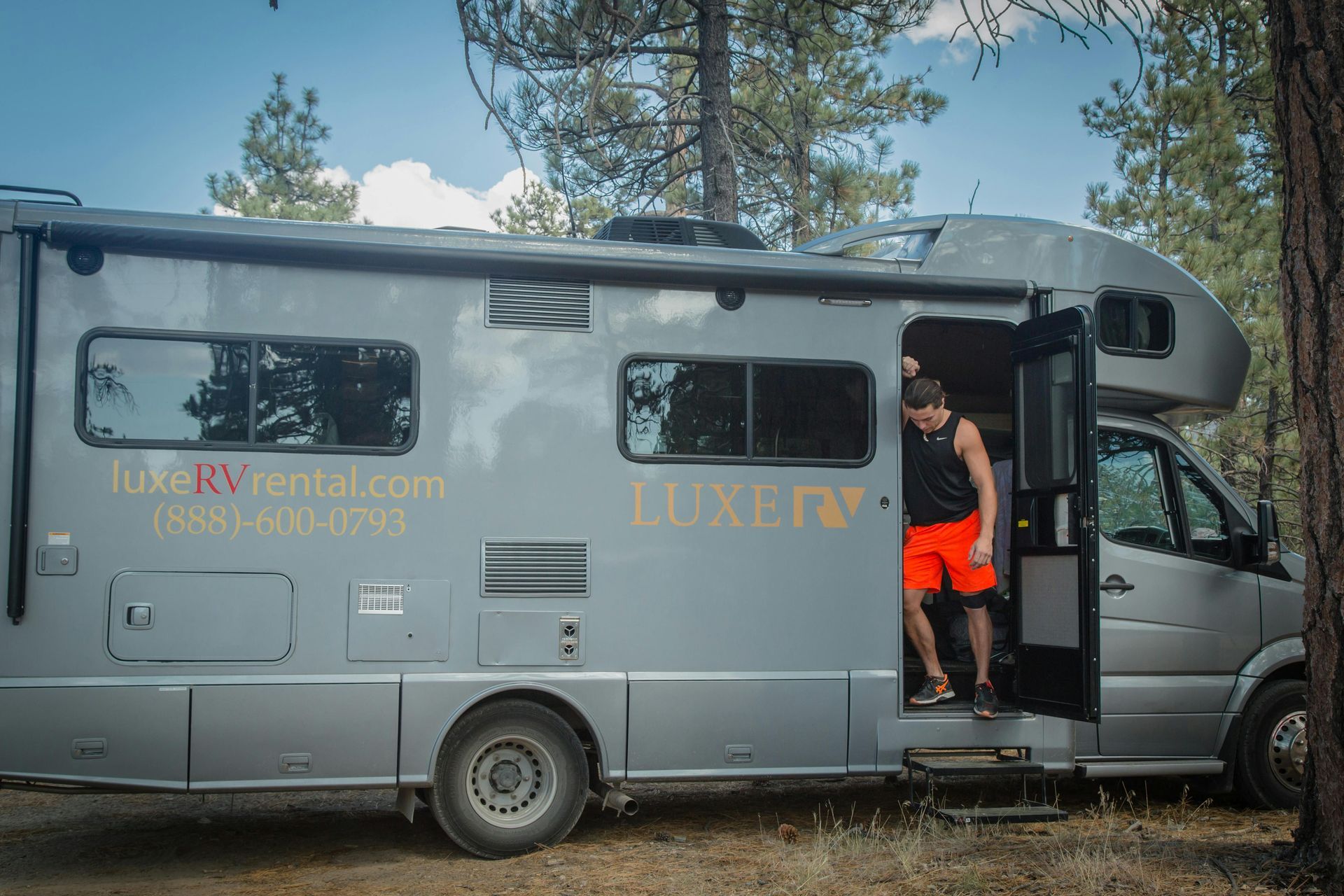
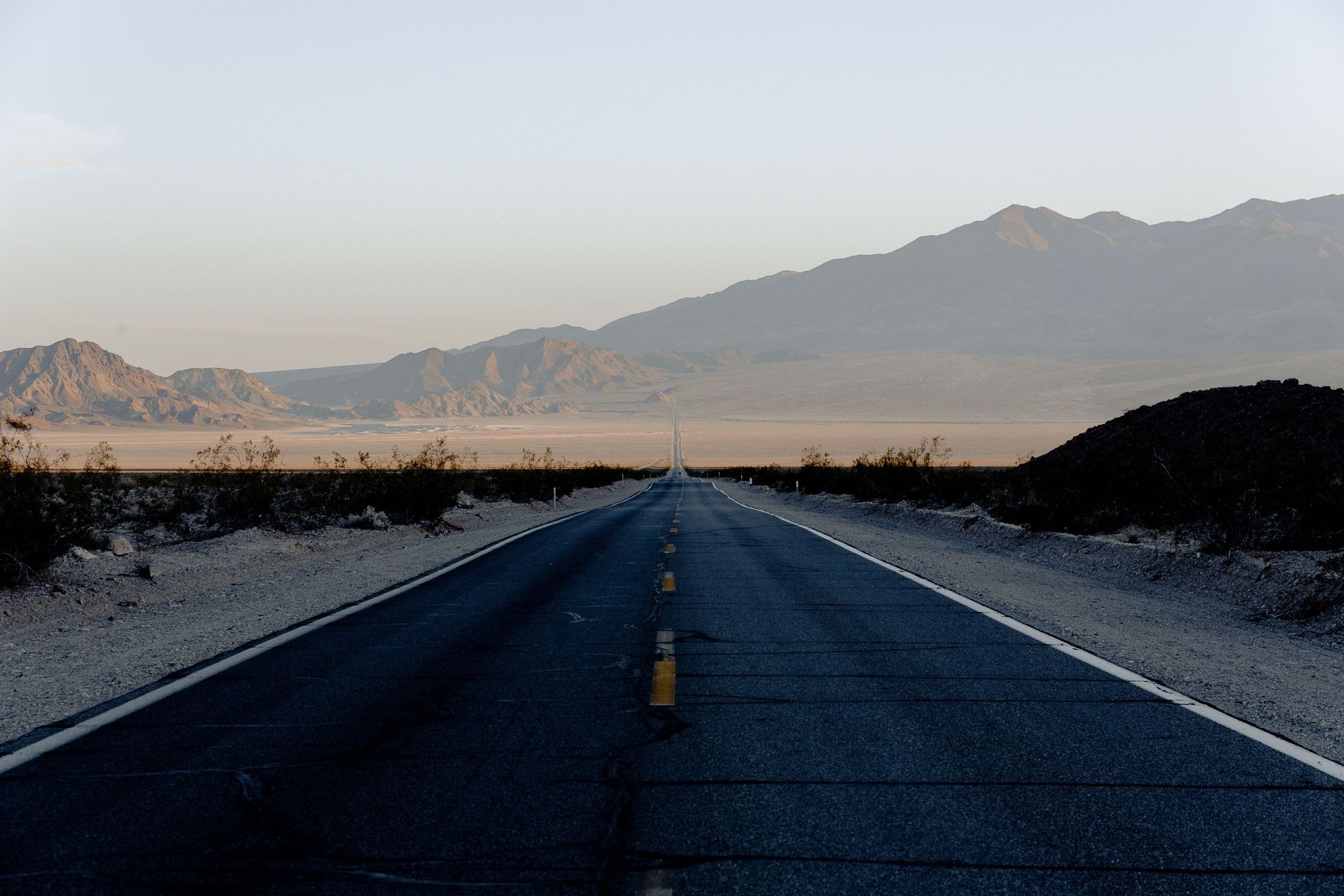
RV insurance in Arizona protects your recreational vehicle investments and adventures across the Grand Canyon's rims, Sedona's red rocks, and vast desert highways. Whether towing a travel trailer or driving a Class A motorhome, specialized RV insurance coverage ensures peace of mind amid unique risks like monsoons, dust storms, and long-haul travel.
RV Insurance Basics Explained
RV insurance covers motorized RVs like Class A, B, and C motorhomes with their own engines, as well as non-motorized options such as travel trailers, fifth wheels, pop-up campers, truck campers, toy haulers, and camper vans. Unlike standard auto insurance, RV policies address full-time living, guest passengers, and high-value personal belongings during cross-state trips.
Arizona's insurance laws require liability insurance on any towed RV registered for road use, mirroring auto minimums of 25/50/15 for bodily injury and property damage. Motorized RVs demand full registration and plates, triggering comprehensive RV insurance requirements beyond basic towables.
Arizona's RV Insurance Requirements
Arizona mandates liability coverage on motorized RVs treated as motor vehicles, including $25,000 bodily injury per person, $50,000 per accident, and $15,000 property damage. Non-motorized trailers like utility trailers or travel trailers require insurance if over 3,000 pounds gross vehicle weight, though many owners add it voluntarily for protection.
Full-time RVers using their rig as permanent residence must carry separate RV insurance policies, as homeowners insurance excludes on-road use. Towed RVs gain basic coverage from your tow vehicle's policy up to its limits, but a dedicated RV policy provides true comprehensive protection.
Liability Coverage Essentials
Liability insurance pays for others' bodily injury and property damage if you're at fault, crucial for Arizona's RV campgrounds crowded with families. Uninsured/underinsured motorist coverage protects against the state's 12% uninsured driver rate, covering your injuries or RV damage from at-fault parties without insurance.
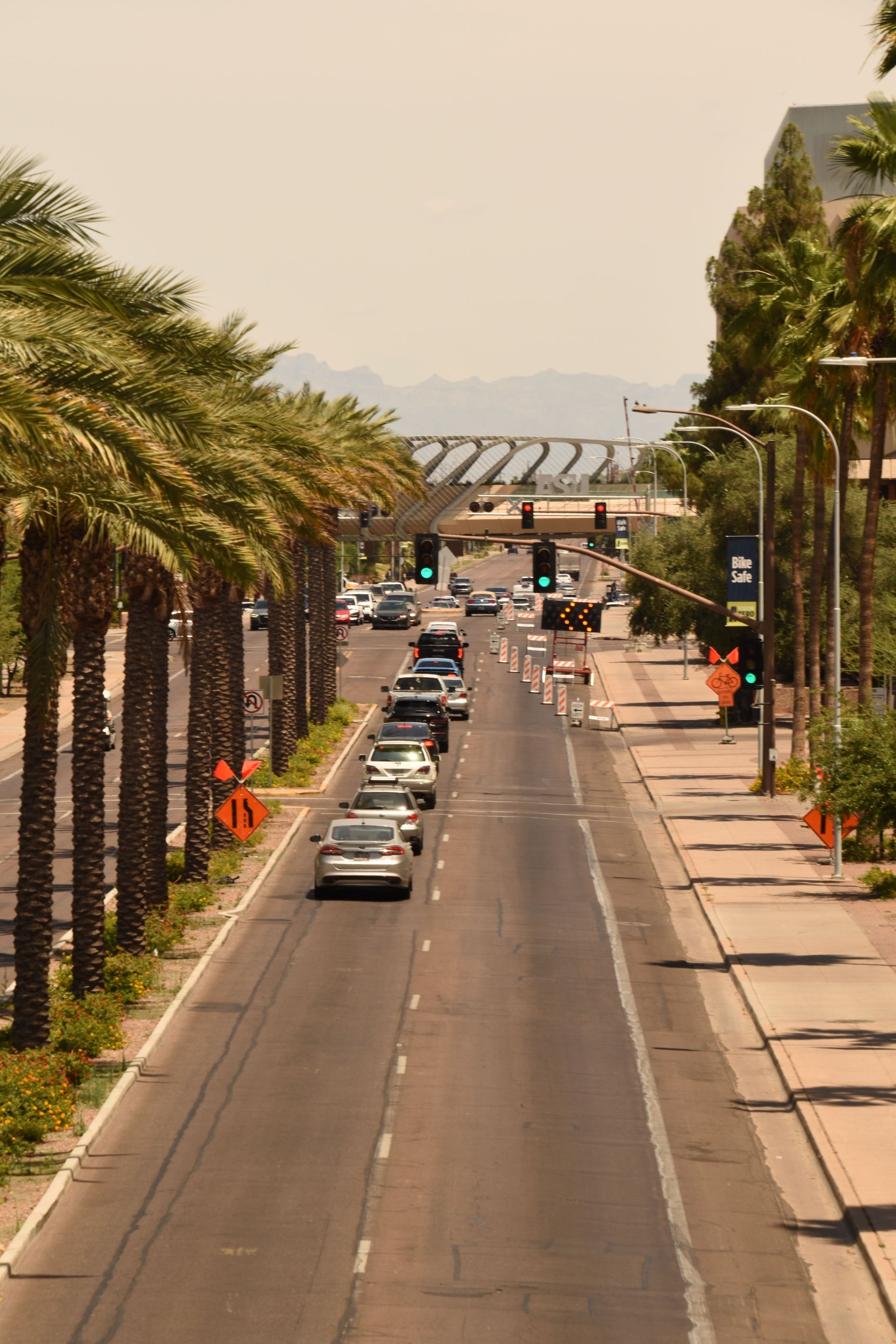
Higher limits like 100/300/100 safeguard assets, as RV accidents often involve other motor vehicles on I-10 or I-17, leading to multi-vehicle pileups. Personal liability umbrellas extend protection for off-road incidents or campground slips.
Collision and Comprehensive Protection
Collision coverage repairs your RV after an at-fault crash, regardless of fault, vital for maneuvering large Class A motorhomes on narrow mountain passes. Comprehensive covers non-collision losses like theft, hail, vandalism, or falling rocks—prevalent in Arizona's monsoon season and rocky terrains.
These pair for full RV insurance coverage on motorized RVs, with deductibles from $500-$5,000 balancing premiums. Glass coverage handles windshields cracked by desert gravel, a common claim for camper vans and truck campers.
Personal Property and Belongings Coverage
Personal property coverage insures furniture, electronics, clothing, and gear inside your RV against theft, fire, or water damage. Scheduled items protect high-value belongings like jewelry or art, often excluded or limited in basic policies.
Full-timers need higher limits for permanent residence setups, as standard auto or homeowners insurance won't cover items during travel. Off-premises extension protects stored gear at home or in RV storage lots.
Roadside Assistance and Emergency Expenses
Roadside assistance handles flats, tows, fuel delivery, and lockouts—essential for remote Arizona boondocking sites. Emergency expense coverage pays hotel, meals, and transport if your RV becomes uninhabitable post-covered loss, bridging gaps until repairs complete.
Many policies
bundle these as optional coverages, with 24/7 dispatch for peace of mind on long hauls to Lake Havasu or Quartzsite.


RV Insurance Cost Factors
RV insurance cost varies significantly based on several factors: RV type (Class A pays higher premiums than pop-up campers), usage (full-time vs. occasional), location, driving history, claims history, and coverage types. Arizona averages $800-$2,000 annually for liability-only travel trailers, escalating to $1,500-$4,000 for full-coverage Class A motorhomes.
Clean driving record and experienced RV operators qualify for discounts, while young drivers or poor credit raise rates. Motorized RVs with own engine face auto-like scrutiny, unlike non-motorized trailers.
Types of RVs and Tailored Coverage
Class A motorhomes demand robust collision coverage for their size and repair costs exceeding $100,000. Class B camper vans blend auto and RV needs, often extending personal auto policies with endorsements.
Class C motorhomes balance affordability with family space, needing vacation liability for guests. Travel trailers and fifth wheels require separate policies for full protection beyond tow vehicle limits; toy haulers add cargo coverage for ATVs.
Discounts for Arizona RV Owners
RV insurance discounts lower much does RV insurance cost: multi-policy bundling with auto or homeowners insurance saves 10-25%; low-mileage for seasonal use cuts 15%; safety courses grant 5-10%. Affiliation with Good Sam or Escapees RV Clubs unlocks group rates.
New RV purchase or anti-theft devices like GPS trackers qualify for introductory cuts. Full-timers get loyalty perks after clean claims history.
Full-Time vs. Recreational Use Policies
Full-time RV lifestyle policies mimic homeowners insurance, covering permanent residence with higher personal property and liability limits. Recreational policies suit weekend warriors, focusing on road risks over living expenses.
Arizona full-timers must declare usage honestly—misrepresentation voids claims during natural disasters like wildfires. Separate RV insurance policy ensures coverage when parked as primary home.
Optional Coverages for Comprehensive Protection
Vacation liability covers injuries to campground guests; total loss replacement pays new-for-old on recent RVs. Awning and slide-out coverage handles wind damage; Mexico endorsement allows border travel.
Natural disasters like flash floods demand separate flood insurance, as standard comprehensive excludes it. Pollution liability protects against spills from onboard tanks.
How RV Insurance Works with Auto Policies
Your car insurance may carry liability insurance on towed non-motorized RVs up to policy limits, but physical damage requires add-ons. Motorized RVs need standalone policies, as auto coverage excludes large recreational vehicles.
Bundling creates seamless claims if both vehicles collide, with one agent coordinating.
Arizona-Specific Risks and Solutions
Arizona's extreme heat warps awnings; monsoons cause flash floods swamping low-clearance trailers. Theft spikes in winter RV havens like Yuma; wildlife collisions dent motorhomes on rural roads.
Specialized coverage like diminished value protects resale after claims. RV policies underwritten for desert conditions include dust storm glass repair.

Getting an RV Insurance Quote
Get RV insurance quote online or via phone: provide VIN, usage, value, and driver details for instant rates. Agents compare carriers for affordable coverage matching your fifth wheel or camper trailer.
Shop annually—rates drop with clean driving record. Full coverage quotes factor extra coverage like roadside assistance.
RV Insurance FAQs Answered
Is RV insurance required? Yes for registered motorized RVs; recommended for all. Does homeowners insurance cover? No for on-road use.
How much does RV insurance cost? $800-$4,000/year depending on factors.
Separate policy for travel trailers? Ideal for full protection beyond auto limits.
Choosing the Right RV Policy
Assess needs: families need higher liability protection; solo travelers prioritize roadside. Compare minimum requirements vs. extras like emergency expenses.
Review policy's limits yearly—RV values depreciate, but liability inflates with lawsuits.
Working with Independent RV Specialists
Independent agents shop RV insurance policies from multiple carriers, explaining coverage options like bodily injury caps. They tailor for Arizona RV owners facing unique state insurance laws.
Personalized service ensures RV coverage fits budget without gaps.
Steps to Secure Coverage Today
Inventory your RV and belongings; note usage frequency. Gather driving records; request quotes from three sources.
Bind policy with endorsements for Arizona travel trailers or Class A B rigs—coverage starts immediately for peace of mind.
Cost-Saving Strategies Long-Term
Maintain clean driving record to avoid pay higher premiums. Store RVs securely offseason; install alarms for discounts.
Bundle with life insurance or auto for layered protection across assets.
Preparing for Arizona Adventures
RV insurance covers damage from road hazards to remote campsites, letting you focus on the RV lifestyle. From Quartzsite rallies to Sedona stargazing, proper coverage keeps trips worry-free.
Disclaimer: Coverage availability, pricing, and underwriting guidelines vary by carrier and location. This article is for informational purposes only and should not be considered legal or insurance advice. Speak with a licensed insurance agent to review your specific situation.
Recent Posts