



A Complete Guide to Homeowners Insurance in Arizona: Coverage, Costs, and Ways to Save

Understanding Homeowners Insurance in Arizona
Owning a home in Arizona comes with many advantages — warm weather, beautiful landscapes, and vibrant communities. But it also brings risks such as wildfires, flash floods, and property damage from severe storms. That’s why homeowners insurance in Arizona is essential to protect your investment and ensure financial security.
What Homeowners Insurance Covers
Standard home insurance typically helps cover your dwelling, personal property, and liability protection. It may also include coverage for other structures, additional living expenses, and personal belongings damaged or stolen due to a covered loss. Each section of your homeowners policy plays a unique role in safeguarding what matters most.
Dwelling Coverage: Protecting the Structure of Your Home
Your dwelling coverage protects the physical structure of your home — including walls, roofs, floors, and attached structures — if they’re damaged by fire, wind, or other covered perils. The dwelling coverage limit should ideally match the cost to replace or rebuild your home, not simply the market value.
Coverage for Other Structures
Other structures coverage extends protection to detached items such as garages, fences, or sheds. While often set at 10% of your dwelling limit, it can be increased if you have significant structures on your property.
Personal Property and Belongings
Arizona homeowners rely on personal property coverage to protect furniture, appliances, clothing, and other valuables. You can choose between actual cash value or replacement cost coverage to determine how claims are settled. Replacement cost tends to provide better protection since it pays the full cost to replace an item, not just its depreciated value.
Liability Protection for Arizona Homeowners
Liability coverage helps shield you from the financial impact of causing bodily injury or property damage to others. Whether it’s a guest slipping by the pool or a dog bite incident, liability protection can cover legal expenses and settlements up to your policy limits.

Additional Living Expenses Coverage
If your Arizona home becomes uninhabitable after a covered loss, additional living expenses (ALE) coverage can pay for temporary housing, meals, and other essentials while repairs are being made. This coverage keeps you comfortable when unexpected events disrupt your daily life.
Why Homeowners Insurance Is Required for Home Loans
If you have a home loan, your lender will likely require you to maintain homeowners insurance. This ensures your lender’s financial interest is protected in case of fire, natural disasters, or other damage to the property. Even after the loan is paid off, keeping coverage protects your long-term financial safety.
Risks Unique to Arizona Homes
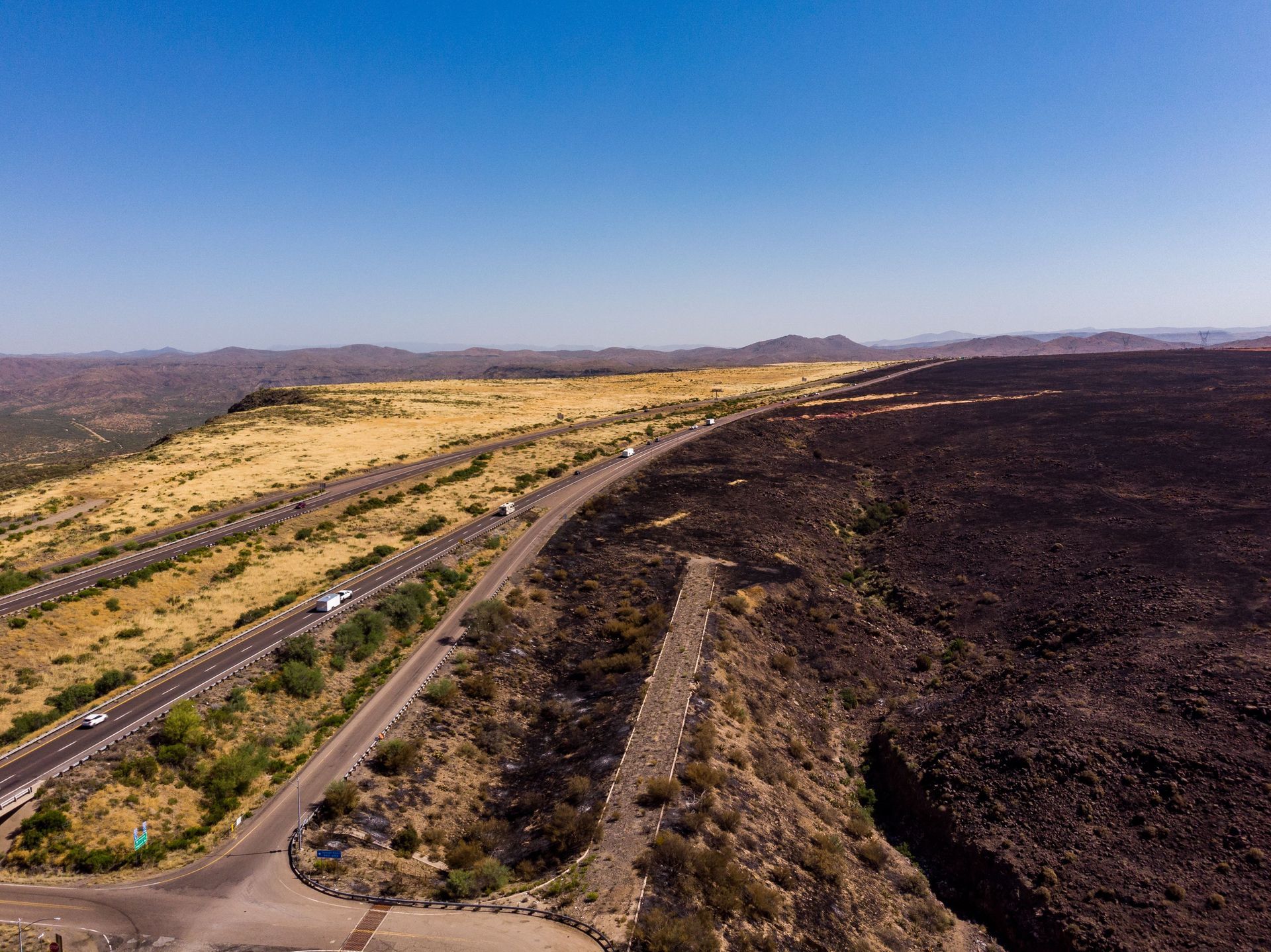
Arizona’s climate can be unpredictable, bringing both extreme heat and intense monsoon rains. Flash floods, wildfires, and even earthquakes in some regions pose risks to your property. Homeowners should evaluate coverage options carefully to manage increased risk due to these natural events.
Flood Insurance and the National Flood Insurance Program
Most standard home insurance policies do not cover floods. Homeowners in designated flood zones should look into flood insurance through the National Flood Insurance Program (NFIP) or a private insurer. Flood coverage helps pay for repairs to your home and belongings if water damage occurs from rising waters or flash floods — a growing concern in several parts of Arizona.
Earthquake and Natural Disaster Coverage Options
Arizona is not immune to seismic activity. While earthquake coverage isn’t typically included in standard policies, it can be added as an optional coverage. It provides financial protection for structural damage or personal property losses caused by earth movement.
Understanding Homeowners Insurance Discounts
Homeowners in Arizona can often save money with home insurance discounts. Insurers frequently offer reduced rates if you bundle home and auto policies, install security systems, or have a claims-free history. These discounts reward proactive steps that reduce overall risk.

Factors That Affect Insurance Rates
Homeowners insurance rates in Arizona vary based on several factors, including your home’s age, construction type, location, and claims history. Other factors like replacement cost, deductible level, and local risk exposure — such as being near a wildfire zone — also influence the average cost.
How to Save Money on Arizona Home Insurance
To save money on your arizona homeowners insurance, consider raising your deductible, improving home security, or upgrading older electrical and plumbing systems. New customers can also compare quotes to find competitive rates and better coverage options. Some insurers even provide rewards for remaining claim-free over time.
The Importance of Reviewing Your Coverage Regularly
Over time, your lifestyle and assets change. Regularly reviewing your homeowners policy ensures you’re adequately covered for current needs. For example, any major renovation, home addition, or new valuable purchase might require adjusting your dwelling coverage limit, personal property coverage, or other structures coverage.
Optional Coverages to Consider
Beyond standard homeowners insurance, Arizona residents can enhance their protection with optional coverages such as:
- Identity theft protection for digital and financial security
- Equipment breakdown coverage for major systems and appliances
- Water backup protection for sump pump or drain overflow
- Service line coverage for underground utilities
These add-ons help fill gaps that standard coverage might not address.
Filing a Homeowners Insurance Claim
When filing a claim, document damage immediately with photos or videos and contact your insurer as soon as possible. Keep receipts for temporary repairs and living expenses. Having a detailed claims history can also affect future rates, so maintaining preventative measures helps minimize risk over time.
How Dwelling Age and Condition Affect Insurance Rates
Older homes in Arizona may present more insurability challenges due to aging electrical wiring, plumbing, or roofing materials. These factors increase the likelihood of a covered loss, which can raise premiums. Routine maintenance and upgrades can help qualify for better rates and potentially earn homeowners insurance discounts.

Comparing Arizona Homeowners Insurance to the National Average
The average cost of homeowners insurance in Arizona tends to be slightly below the national average, thanks to the state’s generally dry climate and lower hurricane exposure. However, rising wildfire risk and urban growth may cause regional rate increases, especially in high-risk counties.
Combining Home and Auto Policies for Better Savings
Many Arizona homeowners choose to bundle home and auto policies to unlock multi-policy discounts. Bundling simplifies billing, streamlines customer service, and provides stronger overall financial protection while reducing the total cost of multiple coverages.
Protecting Your Investment with the Right Coverage
Homeownership represents one of life’s biggest financial commitments. Having the right insurance coverage gives peace of mind by protecting against property damage, theft, and unexpected disasters. Evaluate your home insurance policy regularly, explore your coverage options, and make sure your home is fully insured before severe weather strikes.
Getting a Free Home Insurance Quote
Before you purchase coverage, compare different homeowners insurance options and request a free quote from a licensed agent. Doing so helps ensure you’re getting the ideal balance of affordability and protection for your Arizona property. With the proper coverage in place, you can focus on enjoying your home — knowing it’s well protected against whatever comes your way.
Disclaimer - Coverage availability, pricing, and underwriting guidelines vary by carrier and location. This article is for informational purposes only and should not be considered legal or insurance advice. Speak with a licensed insurance agent to review your specific situation.
Recent Posts