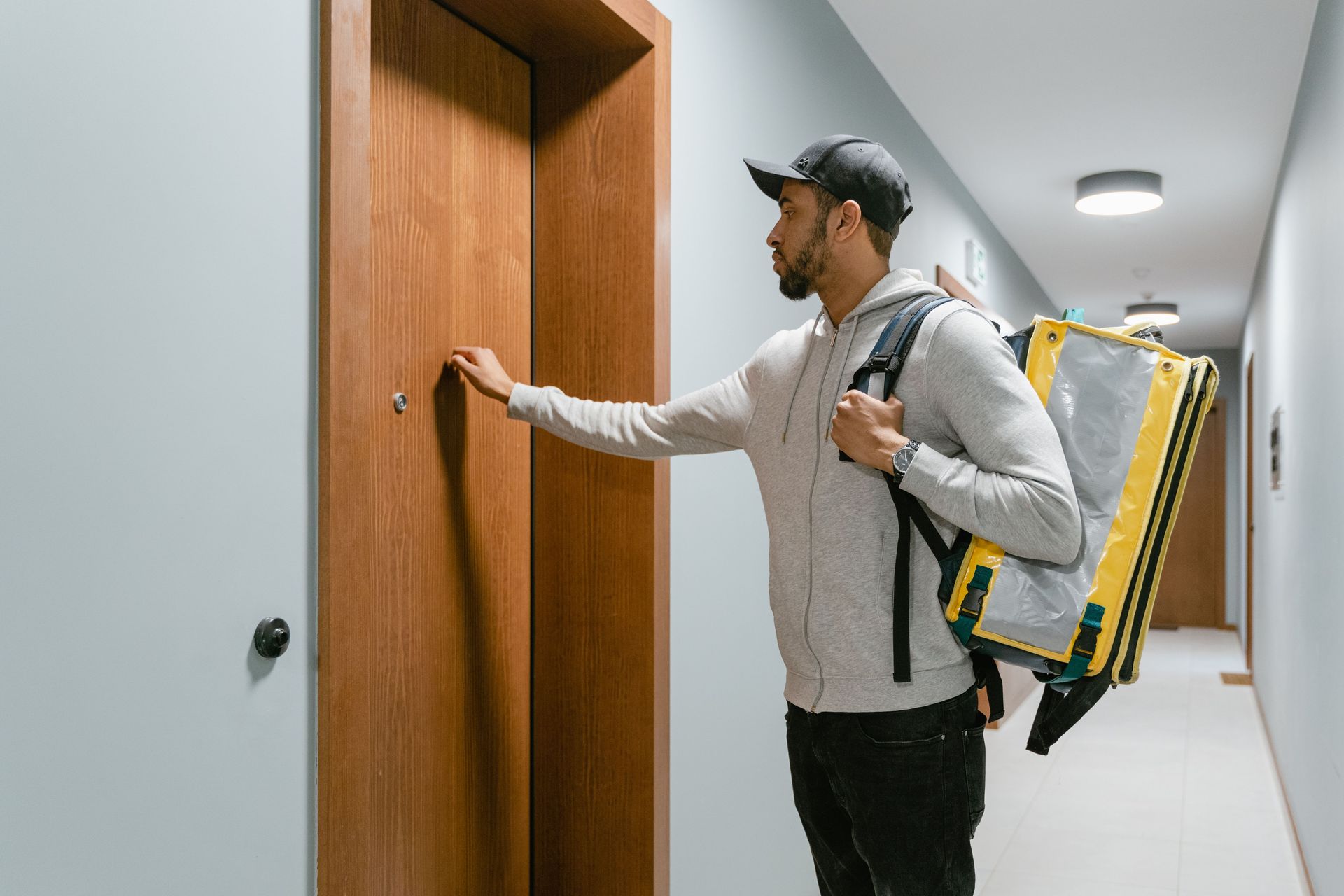
Delivering for Uber Eats is one of the most flexible ways to earn money in the Valley, and thousands of Arizona drivers are doing it between classes, after work, or as a full-time hustle. What most of them do not realize is that the moment they tap online in the app, their personal car insurance may quietly stop working. Most personal auto policies contain a business use exclusion, and food delivery counts.
The fix is not complicated, but it does require a specific policy change called an endorsement. This guide walks through where the coverage gaps are, what Uber Eats actually covers, and how Arizona delivery drivers can close the gap for a modest monthly cost instead of finding out the hard way after a crash.
Why your personal auto policy does not cover Uber Eats deliveries
A standard personal auto policy is priced for commuting and personal errands, not commercial activity. According to
CarInsurance.com, most personal policies exclude accidents that happen while you are using your vehicle for delivery work, which means a claim filed mid-delivery can be denied outright.
It gets worse. If your insurer discovers you have been delivering without telling them, they can deny the claim, non-renew the policy, or cancel it entirely. In an at-fault state like Arizona, being personally on the hook for the other driver's medical bills and vehicle damage is a financial risk no delivery fee can justify. If you are new to how policy add-ons work, our guide to
insurance endorsements in Arizona explains the basics.
What Uber Eats insurance actually covers, and where it stops
Uber does maintain insurance for delivery drivers, but the coverage changes depending on what the app is doing. Per
Uber's insurance page, once you have accepted an order and are en route to the restaurant or the customer, Uber provides at least 1 million dollars in third-party liability coverage. It also offers contingent comprehensive and collision coverage up to your car's actual cash value, but only if you already carry comprehensive and collision on your personal policy, and it comes with a 2,500 dollar deductible.
The weakest link is the waiting period, when the app is on but no order has been accepted. During that window Uber's contingent liability drops to 50,000 dollars per person and 100,000 dollars per accident for bodily injury, plus 25,000 dollars for property damage, and it only applies after your own insurer formally denies the claim. Nothing in that period pays to fix your own car.
How a delivery endorsement closes the gap
A rideshare or delivery endorsement is an add-on to your existing personal auto policy that extends your own coverage into the periods the app leaves thin, especially that app-on, no-order window. Instead of juggling a claim denial from your personal carrier and a contingent claim with Uber's insurer, your own policy responds the way it always does.
Not every carrier offers the same version. Some endorsements cover only rideshare passengers, some cover food and package delivery, and some cover both. This is exactly where working with an independent Arizona broker pays off: we can check which of our carriers write delivery-friendly endorsements and move you to one that does if your current company will not.
What a rideshare or delivery endorsement costs in Arizona
The good news is that this is one of the cheapest fixes in insurance. Industry data from
MoneyGeek and CarInsurance.com puts typical rideshare endorsement pricing around 30 dollars a month or roughly a 15 to 20 percent premium increase, depending on the carrier and your driving record. Compare that to the alternative: a denied claim on a 30,000 dollar vehicle, or a liability judgment with no coverage behind it.
Full commercial auto policies exist for heavy delivery use, but for most Uber Eats drivers working part time in Phoenix, Tempe, or Mesa, an endorsement on the personal policy is the right-sized answer.
Arizona requirements and the local risk picture
Arizona law requires every driver to carry at least 25,000 dollars in bodily injury liability per person, 50,000 dollars per accident, and 15,000 dollars in property damage, the 25/50/15 minimums set by the
Arizona Department of Insurance and Financial Institutions. Those minimums are thin for anyone, and dangerously thin for a delivery driver logging extra miles in Valley traffic.
The risk math matters here. The
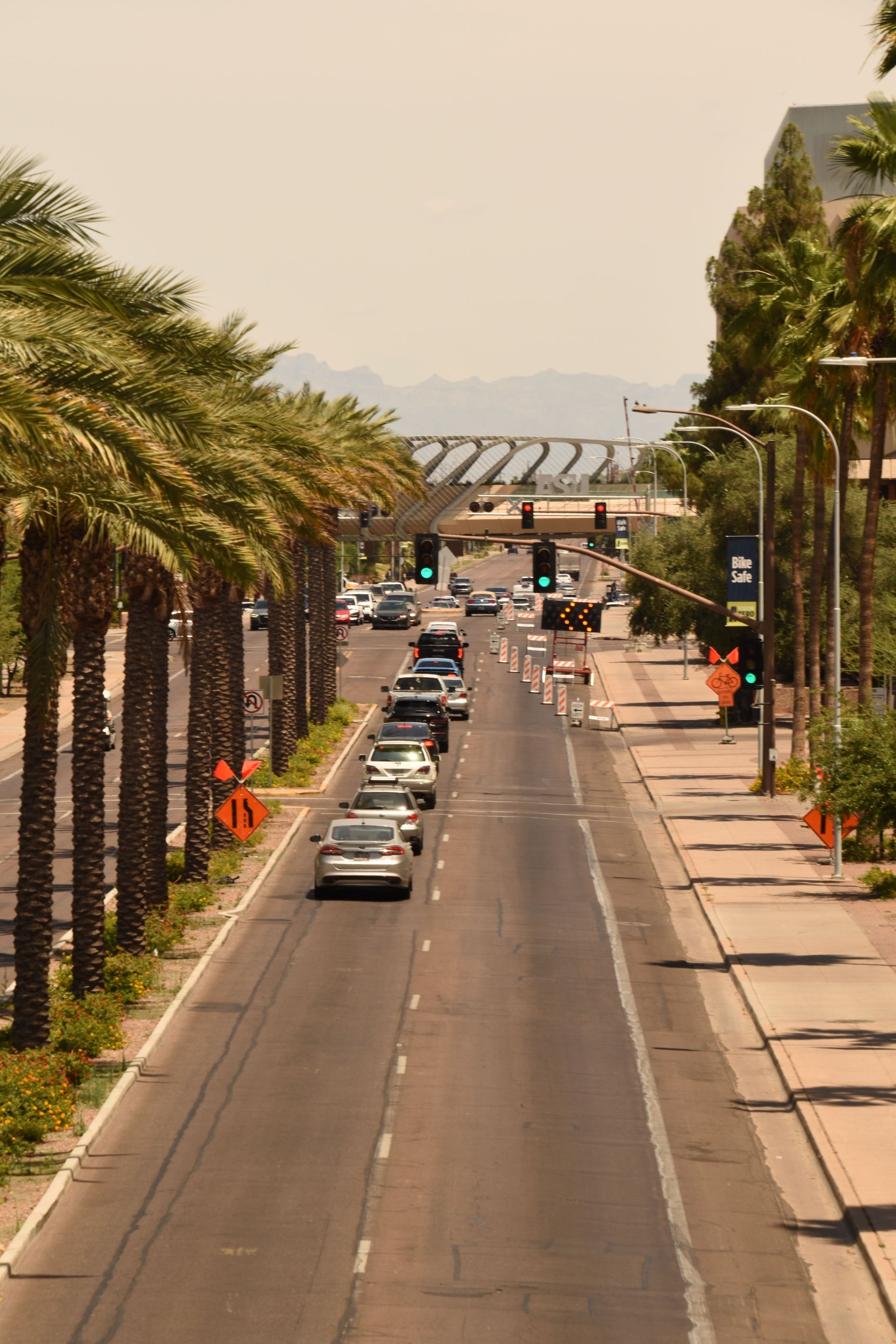
Insurance Information Institute estimates that roughly one in eight Arizona drivers is uninsured, and delivery work concentrates your driving in the busiest corridors at the busiest hours, including dinner rushes and late nights. More miles in more traffic means more exposure, which is why uninsured motorist coverage deserves a look at the same time you add the endorsement.
How Riseson Insurance helps Arizona delivery drivers
Riseson Insurance is an independent broker based in Tempe, which means we are not locked into one carrier's rules about delivery work. We shop your policy across multiple top-rated companies, flag the ones with delivery-friendly endorsements, and make sure the rest of your coverage still fits, from comprehensive and collision to uninsured motorist. Many delivery drivers also save by bundling auto with
renters insurance, which often costs less together than the auto policy alone did before.
Frequently asked questions
Do I need to tell my insurance company I deliver for Uber Eats?
Yes. Delivery work falls under the business use exclusion in most personal policies. If you do not disclose it, you risk a denied claim or a canceled policy at exactly the moment you need coverage most.
Does Uber Eats insurance cover damage to my own car?
Only in a narrow case. During an active delivery, Uber provides contingent comprehensive and collision up to your car's actual cash value with a 2,500 dollar deductible, and only if you already carry those coverages on your own policy. While you are waiting for an order, nothing covers your vehicle.
How much does a delivery endorsement cost in Arizona?
Typically around 30 dollars a month, or a 15 to 20 percent bump on your premium, depending on the carrier. It is far cheaper than a commercial auto policy and dramatically cheaper than an uncovered accident.
Is the state minimum 25/50/15 enough for delivery driving?
Rarely. Arizona's minimums leave you exposed on any serious accident, and delivery drivers face above-average mileage and traffic exposure. Most drivers should carry higher liability limits plus uninsured motorist coverage, and a
telematics program can help offset the added cost with safe-driving discounts.
Get your delivery driver quote today
If you deliver for Uber Eats, DoorDash, or any other app in Arizona and your policy does not have a delivery endorsement, you are one accident away from finding the gap yourself. Riseson Insurance is an independent Arizona broker, which means we work for you, not for one carrier. We will pull quotes from multiple top-rated companies that welcome delivery drivers, walk you through what is actually covered in every phase of the app, and find the bundling angle that saves the most. Reach out for a free Arizona delivery driver quote and see your options in one place.