Your air conditioner does not care that your homeowners policy is paid up. When a compressor motor burns out in the middle of a Phoenix August, the repair bill lands the same day the house starts warming up, and most Arizona homeowners are surprised to learn their standard policy will not touch it.
Home equipment breakdown protection is the endorsement that closes that gap. It is inexpensive, it is widely available in Arizona, and a lot of homeowners in the Valley have never been offered it. Here is what it covers, what it costs, and how to tell whether it belongs on your policy.
Why equipment breakdown protection matters more in Arizona
Arizona runs its cooling equipment harder than almost anywhere else in the country. Summer temperatures regularly top 110 degrees and cooling systems run six to seven months a year, according to
Angi's 2026 Phoenix HVAC cost data.
That same research notes Phoenix homes commonly place air handlers in attics where summer temperatures routinely exceed 150 degrees, and that the dusty desert environment increases wear on components and shortens system lifespan. Equipment here does not fail because of bad luck. It fails because it is asked to do more.
The financial exposure is real. The average HVAC replacement in Phoenix costs $7,748, with most homeowners spending between $5,165 and $12,913 for a standard installation. Central air equipment alone runs $4,500 to $10,000 before labor.
What home equipment breakdown protection actually covers
Equipment breakdown coverage is an optional endorsement added to a homeowners policy that pays to repair or replace appliances and home systems when they fail from mechanical or electrical causes, as
Progressive explains in its coverage guide. A standard homeowners policy typically will not cover an appliance that simply breaks down.
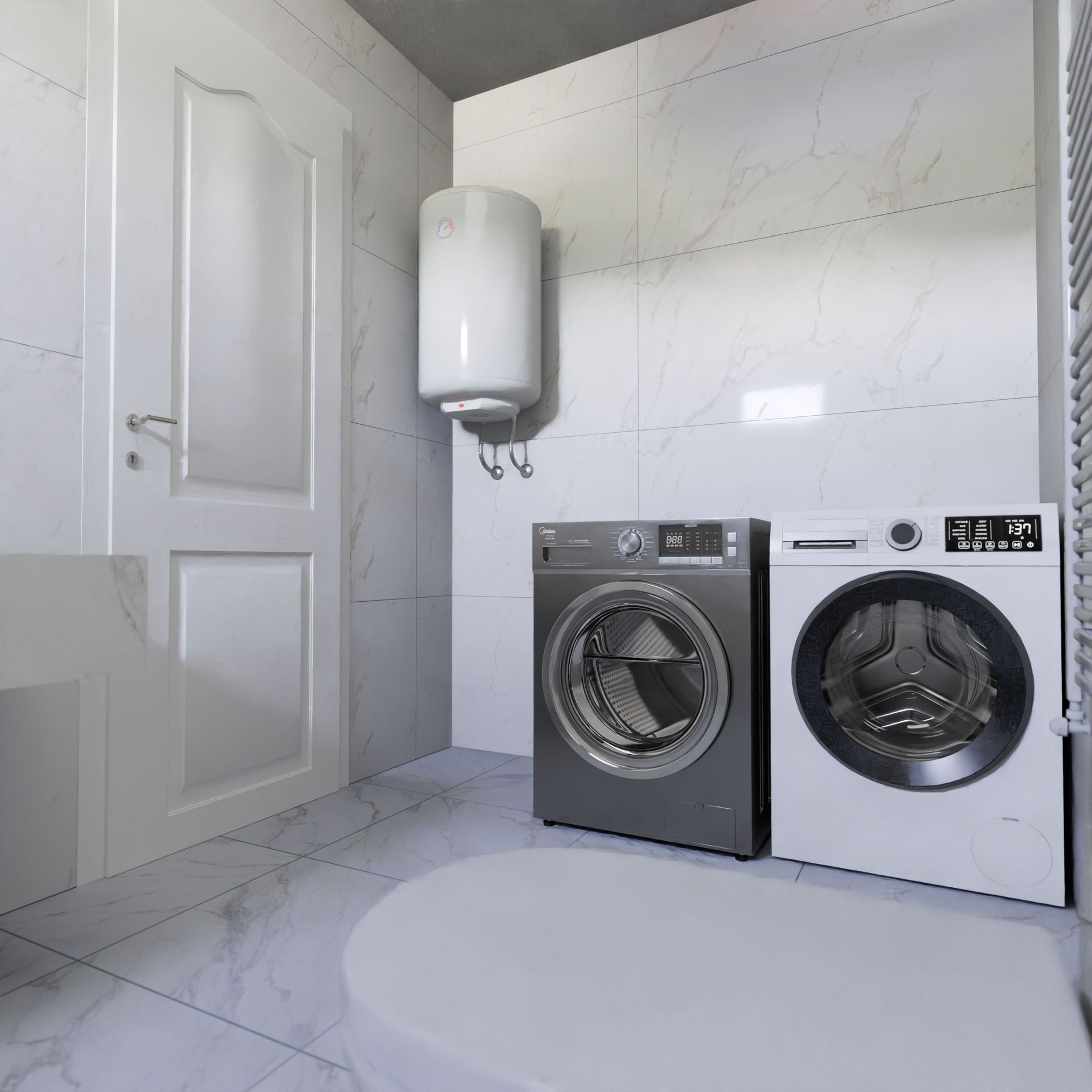
The list of protected equipment is broader than most homeowners expect. It commonly includes air conditioning and heating systems, water heaters, kitchen appliances, washers and dryers, pool and spa equipment, backup generators, solar panels, home security systems, computers, and home gym equipment.
The triggering causes are specific: power surges, short circuits, motor burnouts, ruptures, and pressure system failures. If a high voltage surge takes out your refrigerator compressor, the endorsement can pay to replace the unit up to your coverage limit, and many policies also pay for the food that spoiled as a result.
What equipment breakdown coverage will not pay for
This endorsement is not a maintenance plan, and understanding that boundary prevents a frustrating claim experience. It does not cover normal wear and tear, damage from age, rust, mold, pest damage, or failures caused by neglect and skipped maintenance.
A twenty year old air handler that finally gives out after two decades of desert service is a wear and tear loss, not a breakdown loss. The same unit taken out by a monsoon season power surge is a very different claim. Keeping service records on your HVAC system is one of the more practical things an Arizona homeowner can do to protect a future claim, and a
maintenance endorsement can pick up some of what this one leaves out.
It is also worth reviewing how this endorsement interacts with the rest of your policy. Our guide to
insurance endorsements for Arizona policyholders walks through how add-ons like this one change what a policy does and does not pay.
What equipment breakdown protection costs
The pricing is the part that surprises people. A standard equipment breakdown endorsement providing $100,000 of coverage runs roughly $25 to $50 per year, according to
Hippo's breakdown of the coverage.
There is a deductible to know about. Equipment breakdown coverage usually carries its own deductible separate from your main policy deductible, commonly $500. That structure works in your favor on a mid-size claim, because a $3,000 compressor replacement does not have to clear a $2,500 wind and hail deductible first.
Set that annual cost against a $7,748 average HVAC replacement and the math is not complicated. Coverage limits and pricing vary by carrier, so the number on your policy will be specific to your home and your insurer.
Equipment breakdown coverage compared to a home warranty
These two products get confused constantly, and they are not substitutes for each other. A home warranty is a separate service contract that covers normal wear and tear on appliances and systems, and it typically costs $300 to $600 per year.
Equipment breakdown coverage costs a fraction of that and covers the opposite category of failure: sudden mechanical and electrical breakdowns. Wear and tear is the warranty's job. Surges and burnouts are the endorsement's job.
Plenty of Arizona homeowners benefit from both, particularly in older Valley homes with original equipment. What you should not do is buy a home warranty assuming it makes the endorsement unnecessary, or skip the warranty assuming the endorsement covers an aging unit's slow decline.
How an independent broker gets this endorsement priced right
Riseson Insurance is an independent Arizona broker, which means we are not selling one company's version of this endorsement. Carriers differ meaningfully here on which equipment is included, what the coverage limit is, whether food spoilage and data restoration are covered, and how the separate deductible is set.
We compare those details across multiple top-rated carriers and tell you plainly which one fits your home. Homeowners who bundle home and auto with the same carrier often find that adding equipment breakdown costs less than the bundling discount saves, which makes it effectively free protection. Our guide to
replacement cost coverage for home and auto covers the other setting that determines what you actually collect at claim time.
Frequently asked questions about equipment breakdown coverage in Arizona
Does homeowners insurance cover my air conditioner in Arizona? A standard Arizona homeowners policy covers your AC if it is damaged by a covered peril such as fire, lightning, or theft. It does not cover the unit when it fails mechanically or electrically. Equipment breakdown coverage is the endorsement that adds that protection.
How much does equipment breakdown coverage cost in Arizona? Expect roughly $25 to $50 per year for about $100,000 of coverage, with a separate deductible around $500. Exact pricing depends on your carrier, your home, and the limit you select.
Is equipment breakdown coverage worth it if my AC is already old? It can be, but with a caveat. The endorsement pays for sudden electrical and mechanical failure at any equipment age, but it will not pay when an old unit simply wears out. If your system is near the end of its life, budget for replacement and treat the endorsement as protection against a surge or burnout in the meantime.
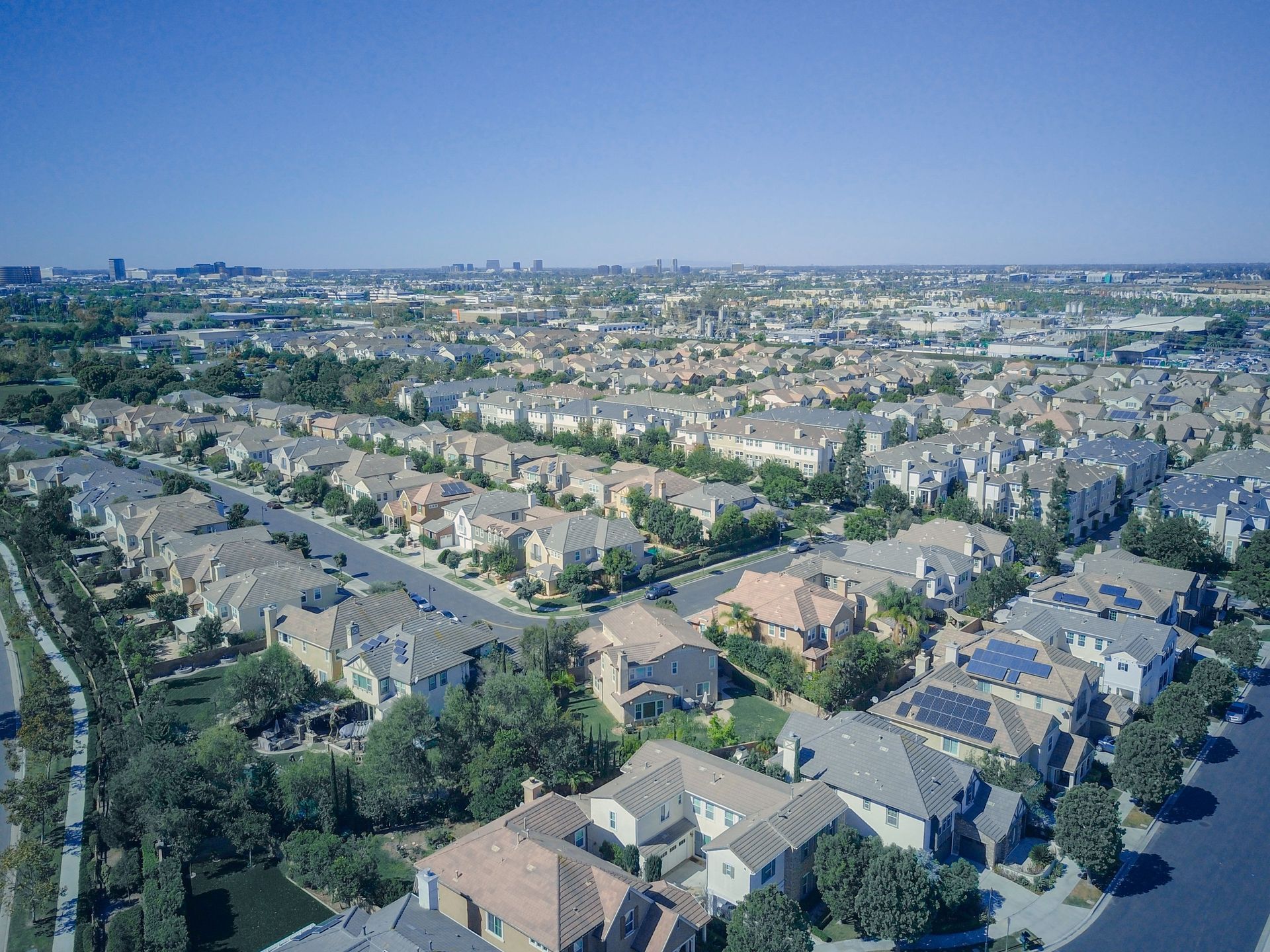
Does equipment breakdown coverage protect solar panels and pool equipment? On most carriers, yes. Solar panels, pool and spa equipment, backup generators, and home security systems are commonly included, which matters in Arizona where those systems are widespread. Confirm the specific equipment list on your policy, because it varies by insurer.
Will a monsoon power surge be covered? A surge that damages your equipment is one of the classic triggering causes for this endorsement. Storm season is exactly when these claims cluster, which is why we pair this conversation with our
monsoon season preparation guide each summer.
Get your equipment breakdown coverage reviewed today
If you own a home anywhere in the Valley and have not looked at your policy declarations in the last year, there is a good chance equipment breakdown protection is either missing or set at a limit you never chose. For the price of a couple of tanks of gas per year, it is one of the easiest gaps to close.
Riseson Insurance is an independent Arizona broker, which means we work for you rather than for one carrier. We will pull quotes from multiple top-rated companies, show you exactly which equipment each one protects, and find the bundling angle that saves the most. Reach out for a free Arizona home insurance review and see your options side by side.