If your Arizona business makes, sells, imports or installs a physical product, you carry a risk that has nothing to do with your storefront or your trucks. A customer can claim that something you made or sold hurt them or damaged their property, and that claim can reach your business even if you never touched the manufacturing line. Product liability insurance in Arizona is the coverage built for that risk.
This guide explains what product liability insurance covers, who in Arizona needs it, what it typically costs, how Arizona law shapes your exposure, and how an independent broker like Riseson Insurance helps you get the right protection without paying for coverage you do not need.
Why Arizona businesses need product liability insurance
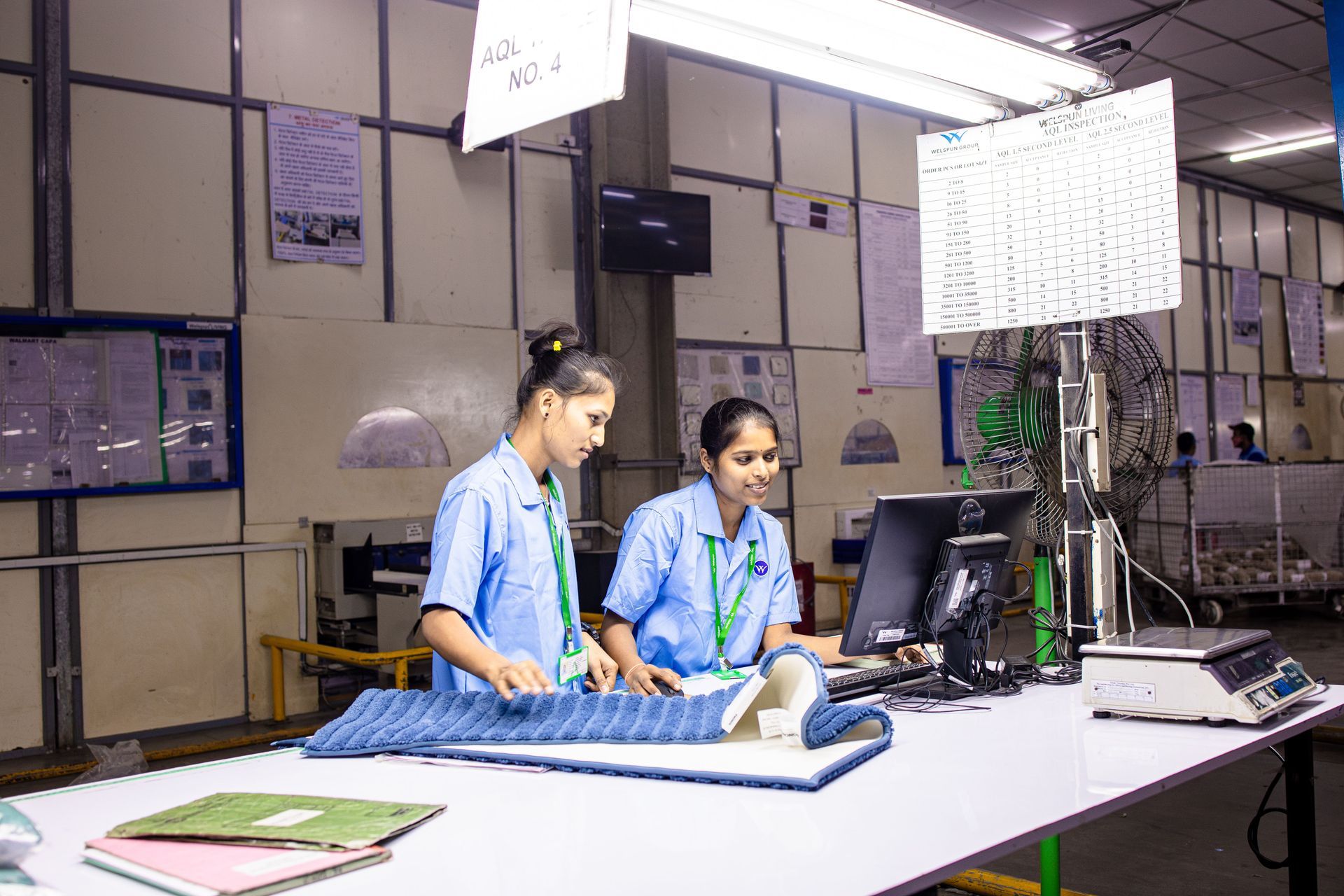
Product claims do not only land on big manufacturers. A Tempe online shop that private-labels supplements, a Mesa machine shop that builds custom parts, a Phoenix food truck, a Scottsdale boutique that sells imported skincare, and a Gilbert contractor who installs water heaters can all be named in a product lawsuit. Courts often look at everyone in the chain of distribution, from the maker to the wholesaler to the retailer.
The Hartford describes product liability coverage as protection from claims that a product you made or sold caused bodily injury or property damage to someone else, per its
product liability cost guide. Even when a claim has no merit, defending it means attorney fees, expert testimony and time away from running your business.
Arizona's hot climate adds its own twist. Batteries, electronics, cosmetics, food and anything with seals or adhesives can fail faster in extreme heat, and customers who store products in garages or vehicles may blame the product rather than the conditions.
What product liability insurance covers
Product liability insurance generally pays for legal defense, settlements and judgments when a third party says your product caused injury or property damage. The claims usually fall into three broad categories:
Manufacturing defects, where one unit or one batch came out different from the design, such as a contaminated food lot or a cracked weld.
Design defects, where the product works as intended but the design itself is unsafe, even if every unit is built correctly.
Warning or labeling defects, where the product lacks clear instructions or warnings about a risk that was not obvious to the buyer.
Product liability does not pay to replace or recall your own product, and it does not cover your own damaged inventory. Recall expense and inland marine or commercial property coverage handle those risks separately.
How product liability fits with general liability
Most small businesses do not buy product liability as a separate policy. Insureon notes that product liability is usually included in a general liability policy, and that the majority of product liability policyholders get it through a standard endorsement rather than a standalone policy, per its
product liability cost page. On many policies this shows up as products-completed operations coverage, which also protects contractors after a job is finished.
That is good news, but it is also where gaps hide. Some general liability policies limit or exclude certain product classes, and The Hartford notes that product liability coverage may not be available to all business classes. Importers, private-label sellers and manufacturers often need a specialty carrier. Reading the products-completed operations limit and the exclusions on your current policy is the first step.
Product liability insurance cost in Arizona
The Hartford reports that its customers pay an average of $68 a month, or $810 a year, for product liability insurance. Insureon reports that its small business customers pay a median of $45 a month for general liability insurance, which is where most product coverage sits, and that 85% of its customers choose a $1 million per-occurrence limit with a $2 million aggregate.
Your own premium depends on several factors:
What you sell. A children's product, supplement or electrical component carries more risk than a paperback book or a T-shirt.
Where you sit in the supply chain. Manufacturers and importers usually pay more than retailers who resell finished goods from established brands.
Sales revenue and claims history. More units sold means more exposure, and past claims push rates up.
Limits and deductible. Higher limits cost more, but they also protect you from a single large injury claim.
Arizona law and your product liability exposure
Arizona sets specific time limits on product claims. Under
A.R.S. 12-551, a product liability action generally cannot be brought if the cause of action accrues more than twelve years after the product was first sold for use or consumption. That twelve-year repose period does not apply when the claim is based on the negligence of the manufacturer or seller or on a breach of an express warranty.
The same statute ties the filing deadline to
A.R.S. 12-542, which generally gives an injured person two years to sue. For a business owner, the practical takeaway is that a product you sell today can produce a claim many years from now, which is why occurrence-based coverage and careful record keeping matter.
If you are weighing policy forms, our guide to
claims-made vs occurrence policies in Arizona explains how each one responds to a late claim.
How an independent broker helps you get product liability right
Riseson Insurance is an independent Arizona broker, so we are not tied to one carrier's appetite. Some carriers will not write e-commerce importers, some limit food and supplement sellers, and others specialize in light manufacturing. We match your products and revenue to carriers that actually want your class of business.
We also review the pieces that tend to get missed: whether your general liability policy includes products-completed operations, whether your vendor or retailer contracts require you to name them as additional insureds, and whether your limits match what Amazon, big-box retailers or distributors require before they will carry your product.
Beyond the basics: complete protection for product businesses
Product liability works best as part of a full program. A
commercial umbrella policy adds limits above your general liability for a severe injury claim.
Commercial property insurance protects your inventory and equipment, and
business interruption coverage helps replace lost income after a covered loss shuts you down. If you give design or consulting advice along with your product,
professional liability insurance may close another gap.
Frequently asked questions
How much does product liability insurance cost in Arizona? Costs vary by product, revenue and claims history. The Hartford reports an average of $68 a month, or $810 a year, among its customers, and Insureon reports a $45 monthly median for general liability, where most product coverage is included. Higher-risk products such as supplements, children's goods and electrical parts usually cost more.
Does general liability insurance cover product liability? Usually, yes. Insureon notes that most product liability policyholders get their coverage through a standard endorsement to a general liability policy, often called products-completed operations. Some product classes are limited or excluded, so check your policy wording.
Do retailers and online sellers need product liability insurance? Yes, in many cases. Claims can name every business in the chain of distribution, including retailers who did not make the product. Many marketplaces and retail partners also require sellers to carry liability coverage before they list or stock a product.
How long can someone sue over a product in Arizona? Under A.R.S. 12-551, a product liability action generally cannot be brought more than twelve years after the product was first sold for use or consumption. That limit does not apply to claims based on the manufacturer's or seller's negligence or a breach of an express warranty, and the injured person generally has two years from the injury to file under A.R.S. 12-542.
Get your product liability insurance quote today
If your Arizona business makes, sells or installs products and you have not reviewed your product liability coverage in the last year, you may be underinsured or paying for the wrong policy. Riseson Insurance is an independent Arizona broker, which means we work for you, not for one carrier. We will compare quotes from multiple top-rated companies, explain exactly what your general liability and product coverage include, and find the bundling angle that saves the most. Reach out for a free Arizona product liability insurance quote and see your options in one place.