Everything You Need to Know About Recreational Vehicle Insurance
Whether you're cruising the open highway in a Class A motorhome, towing a travel trailer to your favorite campsite, or hitting the trails in a truck camper, your recreational vehicle represents a major investment and a lifestyle you've worked hard to enjoy. But before you head out on your next adventure, it's essential to make sure you have the right RV insurance coverage in place. At Riseson Insurance, we help RV owners navigate the ins and outs of recreational vehicle insurance so they can protect what matters most and hit the road with genuine peace of mind.
What Is Recreational Vehicle Insurance and Why Do You Need It?
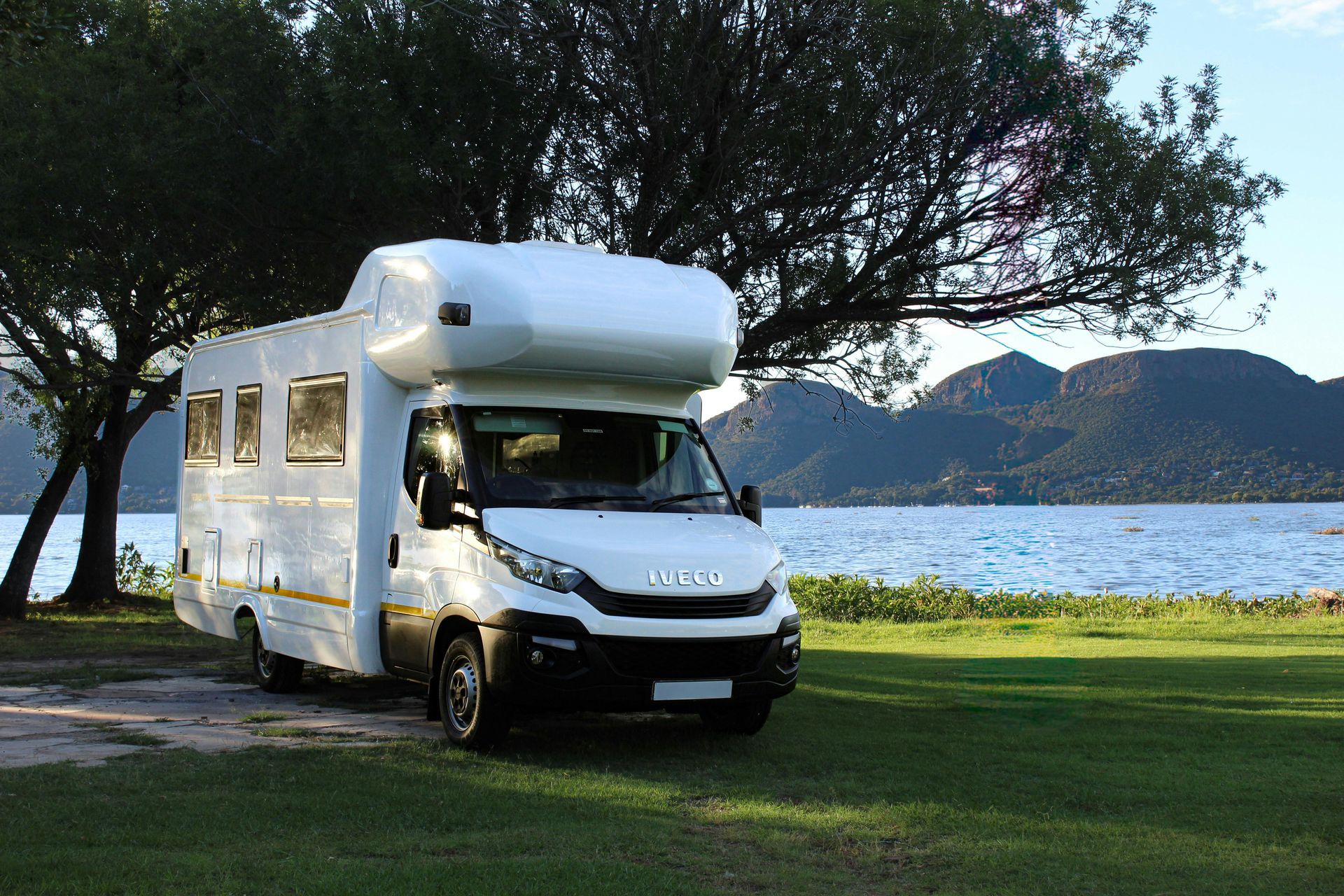
Recreational vehicle insurance is a specialized type of insurance policy designed to protect the unique risks that come with owning and operating an RV. Unlike standard auto insurance, RV insurance policies are tailored to account for the fact that your vehicle is also a living space, a vacation destination, and often a significant financial commitment. Whether you own a motorized RV with its own engine like a Class A motorhome or a camper van or a towable unit like a travel trailer or toy hauler, your coverage needs are different from those of a typical car owner.
Most states require at least some form of liability coverage for motorized RVs that are driven on public roads. However, the specific requirements vary depending on your state's insurance laws, the type of RV you own, and how you use it. If you're financing your RV, your lender will almost certainly require comprehensive coverage and collision coverage as a condition of your loan. Even when RV insurance isn't legally required such as for utility trailers or certain towable units going without coverage puts your investment and your financial security at serious risk. At Riseson Insurance, we make it easy to understand what's required and what's recommended so you're never left exposed.
Types of RV Insurance Coverage Available
One of the most important things to understand about RV insurance is that not all policies are the same. Basic coverage typically includes liability coverage, which pays for bodily injury and property damage you cause to others in an accident. This is the foundation of any RV insurance policy and is required in most states for motorized RVs.
Beyond basic coverage, there are a range of optional coverages designed to give RV owners more complete protection. Collision coverage pays for damage to your RV caused by a collision with another vehicle or object, while comprehensive coverage protects against non-collision losses like theft, fire, weather damage, or vandalism. Medical payments coverage helps pay for medical expenses for you and your passengers after an accident, regardless of who is at fault. Roadside assistance is another popular add-on, providing help if your RV breaks down on the road especially valuable given the size and complexity of most motorhomes and travel trailers. Riseson Insurance can help you build an RV insurance policy that includes the right mix of standard and optional coverages for your situation.
Understanding RV Insurance Cost and What Affects Your Premium
A common question among RV owners is: how much does RV insurance cost? The answer depends on several key factors. The type of RV you own plays a major role motorized RVs like Class A motorhomes are generally more expensive to insure than towable units like travel trailers or truck campers, because they have their own engine and are driven on public roads. Your driving history, the age and value of your RV, how often you use it, and where you store it when not in use all influence your premium as well.
Whether you use your RV as a permanent residence or only for seasonal vacations also affects your RV insurance cost. Full-time RV dwellers typically need more robust coverage than occasional vacationers, since the vehicle is in use year-round and serves as a primary home. Deductibles are another key factor choosing a higher deductible can lower your monthly premium, but means you'll pay more out of pocket in the event of a covered loss. Riseson Insurance works with you to find affordable coverage that fits your budget without sacrificing the protection you need. Be sure to ask about available discounts, which can add up to meaningful savings over time.

Special Coverage Considerations for Different Types of RVs
Not all recreational vehicles are created equal, and RV insurance coverage should reflect the specific type of RV you own. Motorized RVs including Class A motorhomes, camper vans, and similar vehicles are treated more like automobiles for insurance purposes, since they're driven directly on the road. These vehicles typically require liability coverage under state laws and may benefit from specialized coverage options like vacation liability, which protects you if someone is injured at your campsite.
Towable RVs, such as travel trailer insurance and toy haulers, present a different set of coverage needs. While they may be partially covered under your tow vehicle's auto insurance in some cases, relying on that alone often leaves significant gaps. A dedicated travel trailer insurance policy through Riseson Insurance ensures your unit is protected whether it's being towed, parked at a campsite, or in storage. Truck campers and utility trailers each come with their own considerations as well. Our team can help you sort through the details and make sure your specific type of RV has the protection it deserves not just the minimum required by state laws.
RV Insurance FAQs: Your Most Common Questions Answered
Is RV insurance required by law? For motorized RVs driven on public roads, liability coverage is required in most states, though the minimum amounts vary. Towable units like travel trailers may not be required to carry their own insurance, but coverage is still strongly recommended.
What does RV insurance cover? Depending on your policy, RV insurance can cover bodily injury and property damage liability, collision and comprehensive losses, medical payments, personal belongings inside your RV, roadside assistance, and more. The exact coverage depends on the policy you choose and any optional coverages you add.
How do I get an RV quote? Getting an RV quote through Riseson Insurance is straightforward. Our team will ask about your RV type, how you use it, where you store it, and your driving history to provide an accurate, personalized quote. The process is quick, and our agents are available to answer questions every step of the way.
Can I insure my RV if I live in it full-time? Yes. If your RV serves as your permanent residence, you'll need a policy specifically designed for full-time RV living. Standard RV insurance policies are often written for seasonal or recreational use, so it's important to let your Riseson Insurance agent know how you use your vehicle so you get the right coverage.
Are my personal belongings covered? Many RV insurance policies include some coverage for personal belongings inside your RV in the event of a covered loss like theft or fire. However, limits vary, and you may want to consider additional coverage if you travel with valuable equipment, electronics, or gear.
At Riseson Insurance, we believe that understanding your RV insurance policy is just as important as having one. Whether you're shopping for your first RV insurance quote or reviewing your existing coverage, our team is here to help you make informed decisions. From basic liability coverage to comprehensive, full-featured policies with specialized coverage for full-time residents and vacation travelers alike, we're committed to helping RV owners find the right coverage at a price that makes sense. Reach out to Riseson Insurance today to get your personalized RV quote and start protecting your investment so you can focus on the road ahead.
Interested in our services? We’re here to help!
We want to know your needs exactly so that we can provide the perfect solution. Let us know what you want and we’ll do our best to help.