Property Casualty Insurance Definition: What It Is and Why It Matters
Whether you're a first-time homeowner, a small business owner, or simply someone trying to make sense of your coverage options, understanding the property casualty insurance definition is a critical first step. Also referred to as P&C insurance, this broad category of insurance policies covers two core concerns: protecting your physical property and shielding you from legal liability when accidents happen. At Riseson Insurance, we believe that educated policyholders make better decisions and better decisions lead to better protection for everything you've worked to build.
What Is Property Casualty Insurance?
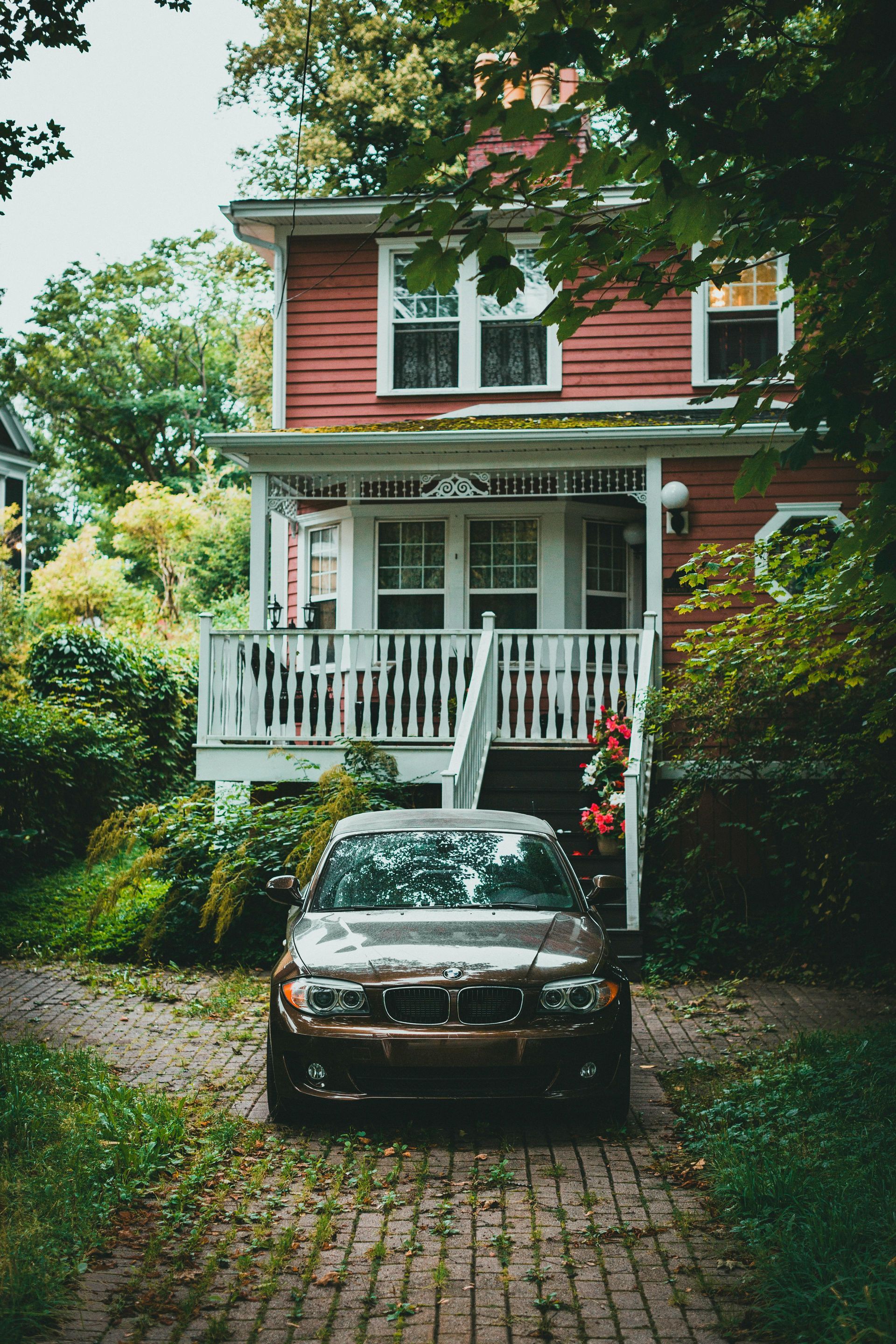
Property and casualty insurance is an umbrella term that refers to a wide range of insurance policies designed to protect individuals and businesses from financial losses tied to property damage or legal responsibility. On one side, property insurance covers your physical property your home, car, business property, or personal belongings against unexpected events like theft, fire, vandalism, and certain natural disasters. On the other side, casualty insurance (often called liability insurance) provides liability protection if you're held responsible for injuries or property damage to someone else.
These two categories are almost always bundled together because they address the two most common financial risks people face: losing what they own and being forced to pay for harm caused to others. P&C insurance is distinct from health insurance or life insurance, which focus on the person rather than their assets and liability. Understanding this distinction is key to building a comprehensive coverage strategy.
Property Insurance: Protecting What You Own
Property insurance is designed to cover the cost of repairing or replacing your insured property after a covered loss. This includes your home, vehicle, rental unit, or commercial property. Depending on the policy, coverage can be based on actual cash value or replacement cost the latter paying what it would cost to replace the item new, rather than its depreciated value.
Common examples of property insurance include homeowners insurance, which protects your home's structure and personal property against covered perils like fire, windstorms, and theft; renters insurance, which covers a tenant's personal belongings inside a rented space; condo insurance, which fills the gaps left by a condo association's policy; landlord insurance, which protects rental property owners from both property damage and lost income; and auto insurance, which covers physical damage to your car whether from an accident, theft, or other covered perils. Flood insurance is often purchased separately, as most standard policies do not cover flood damage from other natural disasters or rising water. At Riseson Insurance, we help clients understand exactly what their policy does and doesn't cover so there are no surprises when it matters most.
Casualty Insurance: Liability Coverage Explained
The "casualty" component of P&C insurance refers primarily to liability coverage protection that kicks in when you're legally responsible for injuring someone or damaging their property. If a guest slips and falls on your property, if your dog bites a neighbor, or if you cause a car accident, liability insurance helps cover the resulting medical expenses, legal fees, and damages you may be required to pay.
Liability protection is built into many types of policies. Homeowners insurance typically includes personal liability coverage, auto insurance includes bodily injury and property damage liability, and business insurance often incorporates general and professional liability insurance. In many cases, liability coverage is required by law most states mandate minimum auto liability limits, for example. For those who want an extra layer of security beyond their standard policies, umbrella insurance offers broad, additional liability protection across multiple risk areas. Riseson Insurance can help you assess your specific situation and determine whether your current liability limits are truly sufficient.

Common Types of P&C Insurance Policies
P&C insurance comes in many forms tailored to different lifestyles and needs. For individuals and families, the most common types are home and auto insurance, often bundled together for convenience and savings. Renters insurance is another important option for those who don't own their home but still want to protect their personal property and gain liability protection. Condo insurance is ideal for unit owners who need coverage beyond what a condo association's policy provides.
For businesses, P&C insurance takes on additional complexity. Commercial property insurance protects business property like buildings, equipment, and inventory. Professional liability insurance sometimes called errors and omissions coverage protects professionals from claims of negligence or mistakes in their work. Workers compensation, while technically its own category, overlaps with casualty insurance principles by covering employee injuries on the job. Business insurance packages often combine several of these coverage types into a single, streamlined policy designed around a company's specific risk profile.
Why the Right Coverage Is Essential
No matter your assets or lifestyle, unexpected events have a way of arriving without warning. A kitchen fire, a major storm, a car accident, or a lawsuit can all result in significant financial losses if you're not properly insured. The right coverage doesn't just pay for repairs or medical expenses it protects your financial future and gives you the peace of mind to move forward without fear.
Choosing the right coverage means understanding what perils you face, the value of your property, your potential liability exposure, and the deductible you can reasonably afford. It also means revisiting your insurance policies regularly, because your needs change as your life does. Did you buy a new home? Start a business? Add a teen driver to your household? Each of these changes can affect the coverage you need.
At Riseson Insurance, we take a personalized approach to P&C insurance. We work with you to evaluate your assets, understand your risks, and build a policy structure that offers genuine, comprehensive coverage not just the minimum required by law or the cheapest option available. Because when the unexpected happens, the last thing you want is to discover your coverage falls short.
Understanding the property casualty insurance definition is the foundation of smart insurance planning. Property insurance and liability coverage work together to protect you from the two biggest financial threats most people face: losing what they own and being held responsible for harm to others. Whether you need homeowners insurance, auto insurance, renters insurance, commercial property coverage, or a combination of policies, Riseson Insurance is here to make sure you're protected from every angle. Reach out today to explore your options and build the coverage plan that's right for you.
Interested in our services? We’re here to help!
We want to know your needs exactly so that we can provide the perfect solution. Let us know what you want and we’ll do our best to help.